Mike Smith’s Blocked Climate Lawsuit Spotlighted at COP31 UN Summit
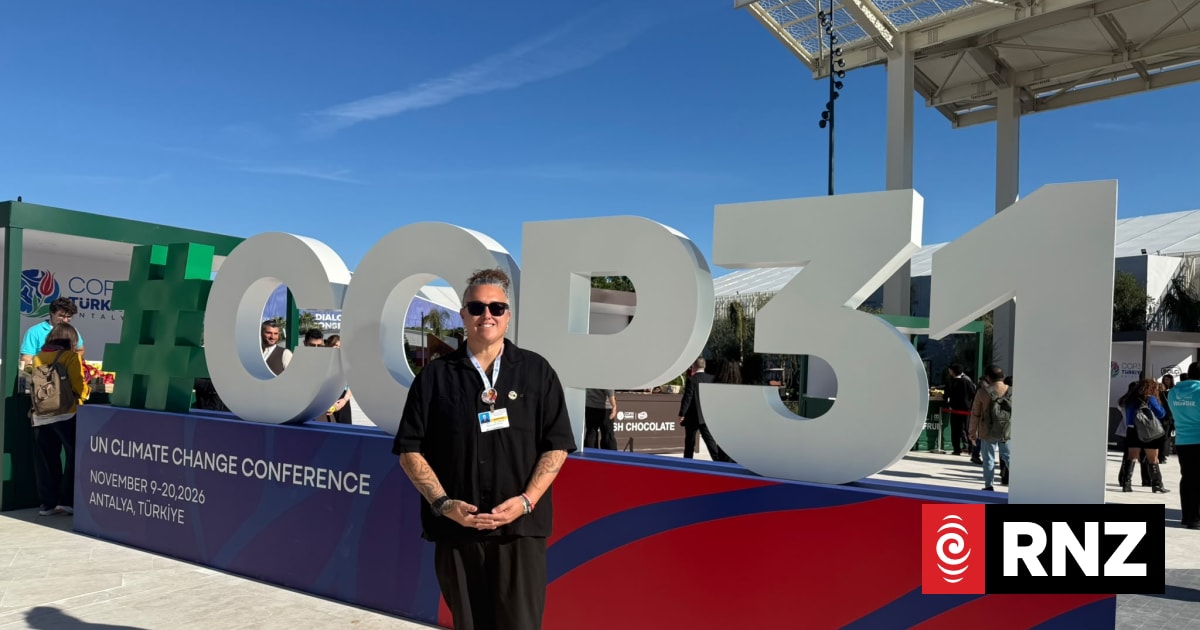
Bianca Ranson presented her father Mike Smith’s blocked climate lawsuit at a UN summit in Türkiye on Thursday morning.
Smith’s case sought to hold major emitters like Fonterra and Z Energy accountable in the High Court for climate damage. The incumbent government intervened under urgency in August, passing legislation to block current and future tort-based climate claims after receiving a briefing from Fonterra and Z Energy, as RNZ reported.
Ranson spoke during an indigenous climate justice event at COP31 in Antalya, sharing the case details with international delegates and legal experts. About 80,000 delegates are attending the summit, where caretaker Climate Minister Simon Watts and Labour and Green MPs are scheduled to join negotiations next week.
Smith Files High Court Challenge Against Government Law Change
Smith filed a fresh challenge against the government’s law change in the High Court in June. Ranson told the COP31 gathering that sharing the legal sequence offers vital lessons for other indigenous groups facing similar legislative setbacks.

More than 3,000 climate-related cases have been filed worldwide. The session also featured the Pacific Island Students Fighting Climate Change, the grassroots student group that secured a landmark opinion on climate change from the International Court of Justice last year.
Disproportionate Impacts on Māori Communities
Outgoing Justice Minister Paul Goldsmith said when the law change was announced in August that Smith’s case was “creating uncertainty in business confidence”, and that blocking climate torts would remove a regime that contradicts the framework Parliament had already enacted. Ranson argued that the legislative intervention left New Zealand communities with no judicial avenue to contest environmental harm.
The Climate Change Commission has documented severe vulnerabilities for Māori communities, noting that extreme weather threatens cultural sites, taonga species, and traditional harvesting practices. Ranson maintained that accountability questions belong inside courtrooms, company boardrooms, and international negotiations alike.