Migrant Boat Reaches Crowded Spanish Beach Unintercepted, Sparking Outrage
On August 19, 2026, a black inflatable boat carrying 62 migrants reached Cala del Barco, a tourist spot near Cartagena in Spain’s Murcia region, without being intercepted by border controls. Regional leaders subsequently demanded explanations from the central government regarding maritime surveillance lapses and growing security concerns.
Unchecked Arrival at a Costa Cálida Resort
The vessel made landfall at approximately 1:00 p.m. near the La Manga Club resort in Murcia, startling beachgoers as passengers jumped into the water and dispersed across the property. According to regional officials, the occupants included 45 adult men, 15 boys, and two adult women, all believed to be Algerian. Local authorities confirmed that all 62 individuals were eventually located, examined by the Red Cross, and handed over to police custody.
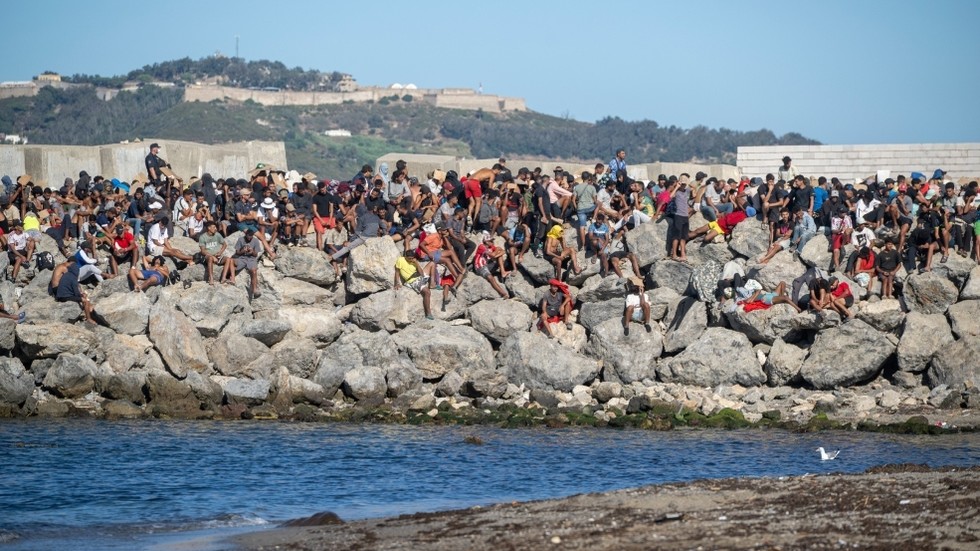
The unintercepted landing intensified scrutiny on Spain’s maritime border operations. It followed a separate migration surge late last month that saw more than 72,000 people cross into Ceuta, a Spanish enclave on the Moroccan coast, a movement Prime Minister Pedro Sánchez condemned as a violation of territorial integrity.
Regional Backlash and Demands for Accountability
Murcia regional president Fernando López Miras criticized the central government, stating that the arrival appeared organized and asking how a vessel of that size could bypass detection entirely. He asserted that the incident introduced fear and insecurity while highlighting a lack of cooperation between Madrid and regional authorities.
Cartagena Mayor Noelia Arroyo echoed these concerns, emphasizing that such landings cannot become normalized and calling for a serious, orderly, and secure migration policy. Arroyo questioned how maritime borders are currently controlled if a boat can reach a cove in full view of citizens and disembark unchecked.
National Response and European Diplomatic Tensions
Prime Minister Sánchez attributed recent migration pressures to human-smuggling networks and the proliferation of disinformation on social media, pledging to reinforce border protections. At the same time, Sánchez criticized what he termed the selfish and polarizing stance of European neighbors, pointing specifically to Italy’s decision to suspend border-free travel with Spain in response to the Ceuta crisis.
As municipalities grapple with the administrative and logistical impacts of these arrivals, local authorities continue to press for structural reforms.
The incident at Cala del Barco underscores the ongoing friction between Spain’s regional governments and the central administration over border enforcement. With local leaders demanding operational transparency and stricter maritime patrols, the debate over how to secure Spain’s extensive coastline remains a central political flashpoint.