
Middle East War: Israel-Lebanon Conflict and US-Iran Tensions
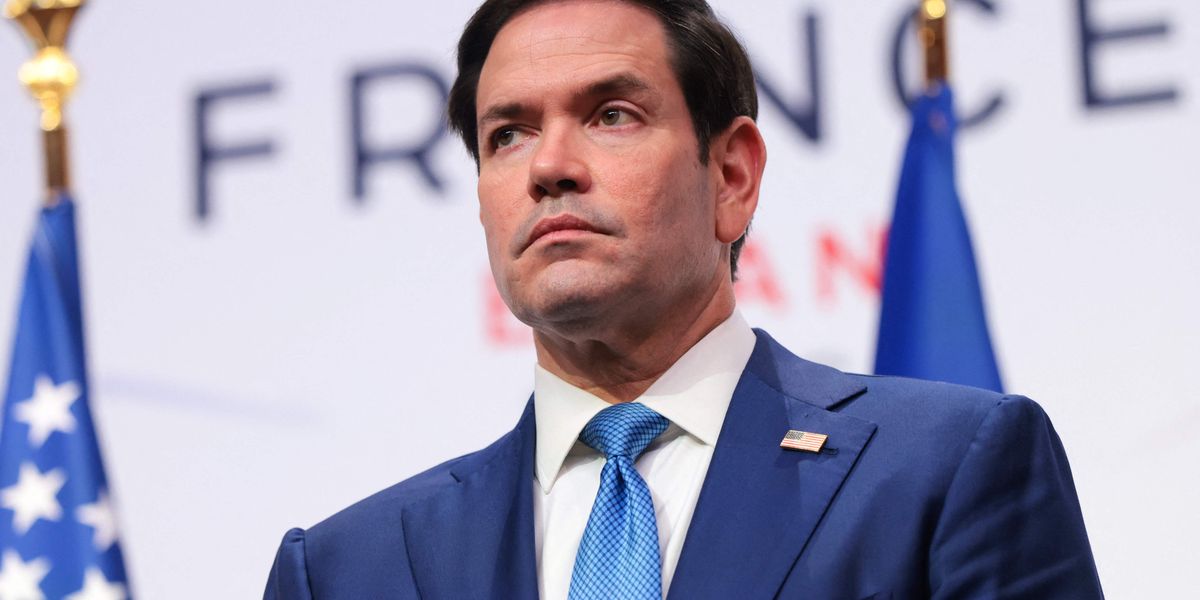
U.S. Secretary of State Marco Rubio has launched a high-stakes diplomatic tour of Gulf Cooperation Council (GCC) states this week, aiming to stabilize regional security as Israeli military operations in Lebanon intensify. The mission follows reports of multiple fatalities in Lebanon and underscores the growing friction between Washington and Jerusalem regarding Iran-related policies.
The Diplomatic Chasm: Rubio’s Middle East Pivot
As of June 22, 2026, U.S. Secretary of State Marco Rubio is actively engaging with regional leaders in the Gulf to prevent a broader escalation of the conflict. The primary objective is to contain the fallout from escalating hostilities between Israel and Hezbollah, which have resulted in confirmed casualties across the Lebanon-Israel border, as reported by SRF and blue News.

The situation remains fluid. Lebanon’s political leadership, represented by President Aoun, has maintained a stance of non-negotiation, complicating U.S. attempts to mediate a ceasefire. According to SWI swissinfo.ch, Aoun has explicitly stated that “no one negotiates for the Lebanon,” a sentiment that complicates the White House’s traditional reliance on back-channel diplomacy.
For multinational firms operating in the Levant or the Gulf, this diplomatic impasse creates significant operational uncertainty. Organizations managing cross-border assets are currently seeking guidance from specialized geopolitical risk consultants to assess potential exposure to localized instability and secondary sanctions.
The Iran-Deal Friction and Regional Security
A central tension in Rubio’s current tour is the widening gap between U.S. policy and the Israeli government’s approach to the Iran nuclear framework. Recent reports from the Tages-Anzeiger indicate that Israel has increasingly disregarded the parameters of the established Iran-Deal, drawing stern warnings from Washington. Netanyahu’s government appears to be prioritizing immediate tactical strikes over the long-term regional stability favored by the U.S. State Department.

This divergence is not merely rhetorical. It represents a fundamental shift in how the U.S. and Israel view regional containment. While Washington seeks a multilateral approach involving Gulf partners, Jerusalem is pursuing unilateral deterrence.
The economic implications of this friction are substantial. As the World Bank has noted in recent reports on the Middle East and North Africa, regional conflict directly impacts Foreign Direct Investment (FDI) and capital flow stability. Businesses caught in the crossfire of shifting trade alliances often require the services of international trade lawyers to navigate the complex web of evolving sanctions and export controls that follow such diplomatic ruptures.
Operational Realities: Logistics and Infrastructure Risk
The intensification of strikes in Lebanon suggests a shift toward a more kinetic phase of the conflict. For the logistics sector, the risk to supply chains is rising. Ports and transit corridors that serve as lifelines to the region are subject to sudden closures or insurance hikes.
Corporate entities with physical footprints in the region must balance the need for continuity with the safety of their personnel. This environment necessitates robust crisis management frameworks. Firms that have not yet hardened their regional operations are increasingly relying on elite global security consultants to conduct real-time threat assessments and secure critical infrastructure.
Comparative Analysis: Regional Stability Indicators
The following table illustrates the differing perspectives on the current escalation as reported by regional and international observers:
| Actor/Outlet | Primary Focus | Stated Position |
|---|---|---|
| U.S. State Department | Containment/De-escalation | Prioritizing regional alignment and adherence to existing treaties. |
| Israeli Government | Tactical Deterrence | Dismissing constraints that limit responses to regional threats. |
| Lebanese Presidency | Sovereignty | Refusing external mediation for domestic security decisions. |
The Macro-Economic Ripple Effect
Investors are watching the price of crude and the volatility of regional currencies closely. As noted by Bloomberg in their coverage of global energy markets, any disruption to the Strait of Hormuz or surrounding logistics hubs would be felt globally. The uncertainty in the Middle East acts as a “risk premium” on global commodities, forcing firms to hedge against supply chain shocks.
Diplomatic analyst Dr. Elena Vance, speaking on the state of regional alliances, noted: “The current U.S. policy is attempting to bridge a divide that may no longer be bridgeable. When a key ally like Israel ignores the structural framework of the Iran-Deal, it forces the Gulf states into an impossible position—choosing between their security dependence on the U.S. and their proximity to the regional power dynamics controlled by Tehran.”
Navigating the New Geopolitical Reality
The current volatility is not a short-term anomaly but a reflection of a deeper structural shift in the Middle Eastern order. As the U.S. attempts to reassert its influence through Rubio’s visits, the reality on the ground—characterized by direct military action and hardened political positions—suggests that the window for conventional diplomacy is narrowing.
For the B2B sector, the message is clear: the era of predictable regional trade is over. Whether it is through navigating trade compliance specialists to mitigate the risks of evolving sanctions or utilizing financial advisors to hedge against currency volatility, the need for professional, specialized intervention has never been higher.
The chessboard is moving. Those who rely on outdated assumptions about regional security will likely face significant disruption. The firms that succeed in this climate will be those that integrate expert, on-the-ground intelligence into their long-term strategic planning, utilizing the resources available in the World Today News Directory to connect with the partners necessary to survive and thrive in an increasingly fragmented global market.