Middle East Shipping and Strait of Hormuz Tensions Amid Regional Conflicts
Houthi forces launched targeted drone and missile strikes against two Saudi oil tankers in the Red Sea and the Gulf of Aden, following an earlier attack on Najran Airport.
The Maritime Chokepoint Crisis in the Red Sea
Strait of Hormuz Uncertainty and Tehran’s Stance
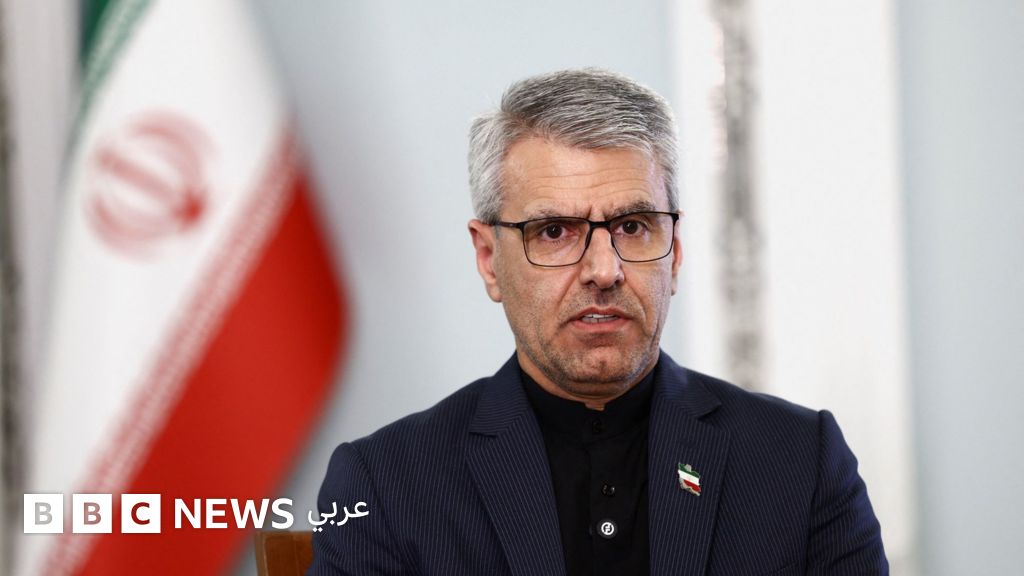
Beyond the immediate Red Sea incidents, broader geopolitical friction continues to grip regional waterways. Following statements from Washington, Iranian officials have expressed skepticism regarding the prompt reopening of the Strait of Hormuz. According to reports from CNN Arabic and Asharq Al-Awsat, Tehran maintains that normalization and full transit access through the vital oil transit corridor will not occur until specific international and regional obligations are met.
While Iranian authorities described a newly established transit path with Oman as a temporary measure, global energy markets remain deeply unsettled by the prolonged ambiguity. According to economic assessments highlighted by Al Arabiya and regional reporting from Al Ekhbariya, maritime trade in Middle Eastern corridors continues to operate under high-stress conditions as shipping stakeholders attempt to price in unpredictable geopolitical maneuvers.
Mitigating Supply Chain Vulnerabilities Through Strategic Partnerships
The convergence of Red Sea tanker attacks and the ongoing closure risks in the Strait of Hormuz expose deep vulnerabilities in international energy infrastructure.
The shifting architecture of Middle Eastern security demonstrates that modern trade depends as much on diplomatic stability as it does on physical infrastructure.