
Middle East Conflict Fuels Historic Oil Shock & Global Economic Fears
France Warns of Historic Oil Shock as Middle East Conflict Escalates
France’s Minister of the Economy, Roland Lescure, stated Tuesday that the ongoing conflict in the Middle East is triggering a “new oil shock,” a crisis he described as being of “historic scale.” The assessment comes as global markets grapple with increasing uncertainty and potential disruptions to energy supplies.
Lescure’s remarks, delivered during a parliamentary commission hearing, echo concerns voiced by analysts earlier in March regarding an impending oil shock. These fears are now materializing as tangible threats to economic growth and inflation, according to the French government.
“This is an oil shock; we’ve had about 10 in the last 50 years,” Lescure said. “The hypothesis of a temporary crisis, the economic consequences of which would disappear with the end of the bombardments, is unfortunately no longer relevant,” he added, highlighting the growing risk to macroeconomic stability.
French authorities estimate that between 15 and 20 percent of global oil supplies and 20 percent of Liquefied Natural Gas (LNG) are currently not reaching global markets due to the ongoing hostilities. This represents a shortfall of at least 11 million barrels per day. The disruption is directly linked to Iran’s blockade of the Strait of Hormuz, a critical chokepoint for global energy trade, amid a conflict involving mutual attacks between the United States, Israel, and Iran, which began on February 28th.
The economic consequences are already becoming apparent. Lescure calculated that a sustained $10 USD increase in the price of oil per barrel would reduce France’s economic growth by 0.1 percentage points and increase inflation by 0.3 percentage points. Recent data from the French statistics agency, Insee, confirms this trend, with projected economic growth for the first half of the year revised down to 0.2 percent (compared to previous forecasts of 0.3 percent). Inflation is expected to surpass 2 percent in the coming months, a significant increase from the 1.1 percent recorded in January.
Lescure cautioned that if the current energy shock persists for more than a few weeks, the crisis could spread throughout the economy and grow systemic. However, he indicated that it was too early to revise the national budget.
Market Speculation and Suspicious Trading
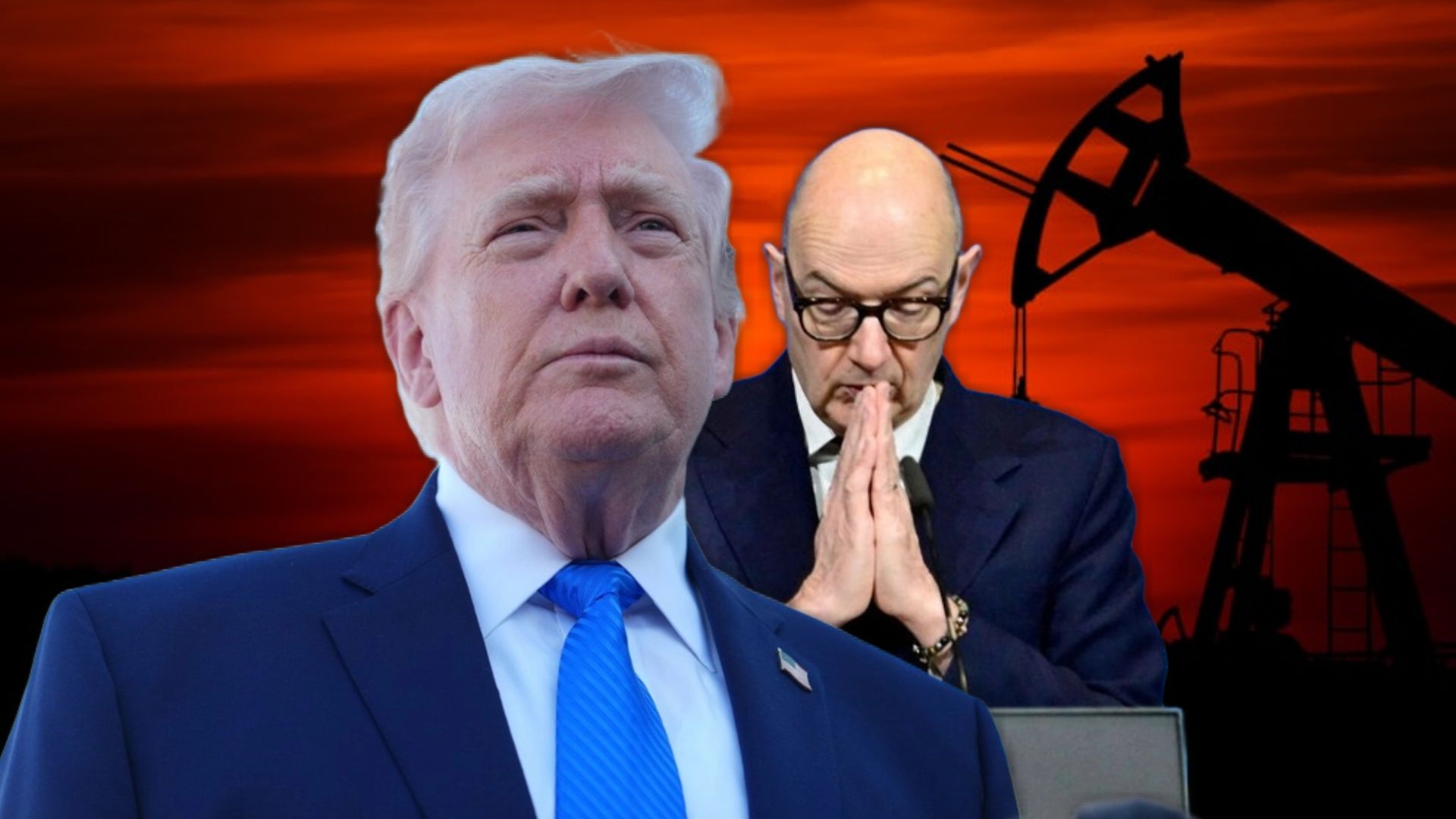
The oil market is reacting not only to physical supply shortages but also to political statements and market speculation. The BBC reported that shortly before the United States, under President Donald Trump, announced a temporary halt to attacks on Iranian energy infrastructure, investors traded over $0.5 billion in oil contracts.
The Financial Times revealed that thousands of futures contracts were executed in the minutes leading up to Trump’s public post. Following the President’s announcement of productive talks with Iran, oil prices plummeted approximately 14 percent, generating substantial profits for those who had bet on a price decline.
“Just before the social media post, quite a lot of people entered into contracts that would allow them to profit from a fall in the price of oil,” Rachel Winter of investment firm Killik & Co. Told the BBC. She added that there were justified suspicions of insider information being used and expressed hope for an official investigation.
The White House issued a statement denying any tolerance for illegal profiting from confidential information by officials. However, the practice of financial betting on geopolitical events is becoming increasingly common, with CNN noting that individual players on betting platforms are earning significant sums by accurately predicting stages of the conflict in the Middle East.
The current oil crisis is occurring against a backdrop of broader threats to the global economy. Experts warned in mid-March that the worst-case scenario following an attack on Iran could trigger a massive crisis and supply shock. Specific industries are already feeling the effects – LPP, a Polish clothing company, recently reported that rising freight costs due to the Middle East crisis are impacting the apparel sector. Analysts emphasize that the duration of the Strait of Hormuz blockade is critical, with prolonged disruptions increasing the risk of a global recession and systemic economic crisis.