
Mid-May Heatwave Hits Seoul With Temperatures Reaching 32°C
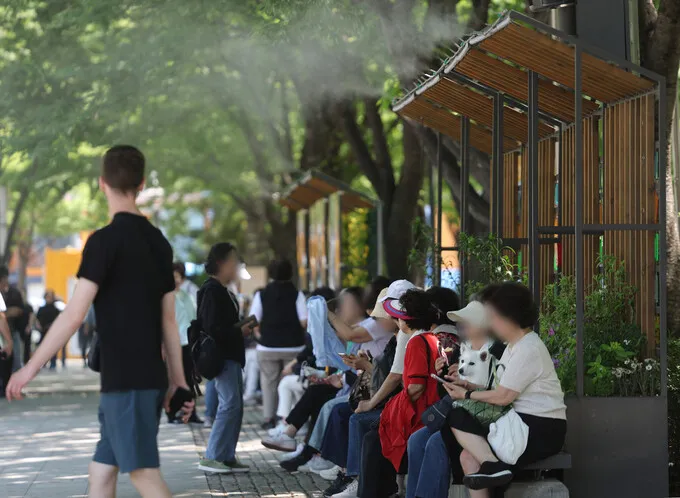
Seoul is experiencing an unseasonal heatwave on May 15, 2026, with daytime temperatures soaring to 32-33°C. The Korea Meteorological Administration warns of significant diurnal temperature swings of approximately 15°C, posing acute health risks to residents as the city transitions abruptly from spring to midsummer conditions.
The volatility of this weather pattern is the real story. It is not merely the heat—which is oppressive for mid-May—but the violent oscillation between the midday peak and the evening chill. When the mercury drops 15 degrees in a matter of hours, the human body struggles to maintain homeostasis, leaving the population vulnerable to respiratory distress and cardiovascular strain.
This is a classic “temperature rollercoaster.” For the average Seoulite, the morning requires a coat, while the afternoon demands air conditioning. This instability creates a systemic shock that ripples through the city’s infrastructure and public health systems.
The Physiology of the Temperature Swing
The current weather pattern is characterized by clear, sunny skies that allow solar radiation to heat the urban landscape rapidly. However, the lack of humidity and the lingering influence of spring air masses cause temperatures to plummet once the sun sets. This extreme diurnal range is particularly dangerous for the elderly and those with pre-existing health conditions.
Medical professionals note that such sharp fluctuations can trigger the autonomic nervous system to overwork, leading to chronic fatigue and a weakened immune response. In an urban environment like Seoul, this is compounded by the “Urban Heat Island” effect, where concrete and asphalt absorb heat during the day and radiate it slowly, though not enough to offset the steep nighttime drops.
“Rapid shifts in ambient temperature force the cardiovascular system to adjust blood pressure and heart rate quickly to regulate body temperature. For vulnerable populations, this stress can manifest as acute respiratory infections or hypertensive crises.”
As the city braces for this volatility, the demand for professional health intervention typically spikes. Residents are increasingly relying on specialized medical clinics to manage the onset of seasonal ailments that are exacerbated by these erratic climate shifts.
Infrastructure Under Pressure
The sudden jump to 33°C is not just a discomfort; it is a logistical challenge. Most commercial and residential cooling systems in Seoul are not fully activated until June. An early-onset heatwave puts immense pressure on HVAC systems that have been dormant for months, often leading to widespread equipment failure just as the demand peaks.
From a macro-economic perspective, this early heat triggers a premature surge in electricity consumption. The grid must adapt to a “summer load” weeks ahead of schedule, increasing the risk of localized brownouts in densely populated districts. For business owners and facility managers, the priority has shifted from routine maintenance to emergency optimization.
Securing vetted industrial cooling specialists is no longer a seasonal luxury but a critical operational necessity to ensure that server rooms, cold-storage facilities and office spaces remain functional during these unexpected spikes.
A Weekend of Sustained Heat
The forecast indicates that this is not a fleeting event. Clear skies are expected to persist through Friday, Saturday, and Sunday, with Seoul consistently hitting the 32-degree mark. This sustained heat, combined with the continued 15-degree temperature gaps, means the physiological stress on the population will be cumulative rather than isolated.

To understand the broader context of these events, it is helpful to look at global trends in climate volatility. Organizations like the World Health Organization have long warned that extreme weather variability is a primary driver of urban health crises. Similarly, data from the World Weather Attribution project suggests that “flash heatwaves”—short, intense bursts of high temperature—are becoming more frequent in East Asian metropolitan areas.
The local government’s response typically involves increasing the availability of cooling centers and issuing public health alerts. However, the long-term solution lies in urban redesign. Reducing the density of heat-absorbing materials and increasing green canopy cover are the only ways to mitigate the intensity of these swings.
Urban planners and developers are now consulting with sustainable architecture firms to integrate “cool roof” technology and permeable pavements that can regulate temperature more effectively than traditional concrete.
Navigating the New Normal
The events of May 15, 2026, serve as a stark reminder that the traditional four-season calendar is becoming obsolete. The transition from spring to summer is no longer a gradual slope; it is a cliff. When the environment changes this rapidly, the burden of adaptation falls on the individual and the business owner.

For the resident, Which means a heightened awareness of hydration and layering. For the city, it means a desperate need for infrastructure that can handle volatility. The risk is not just the heat, but the unpredictability of the shift.
As Seoul continues to navigate this erratic spring, the necessity of having a network of verified professionals—from health experts to infrastructure engineers—becomes paramount. The ability to respond to a 15-degree swing in real-time is what separates a city in crisis from a city in control. Those who find themselves overwhelmed by these shifts can locate the necessary expertise through the World Today News Directory, ensuring they are equipped with the professional support required to weather an increasingly unstable climate.