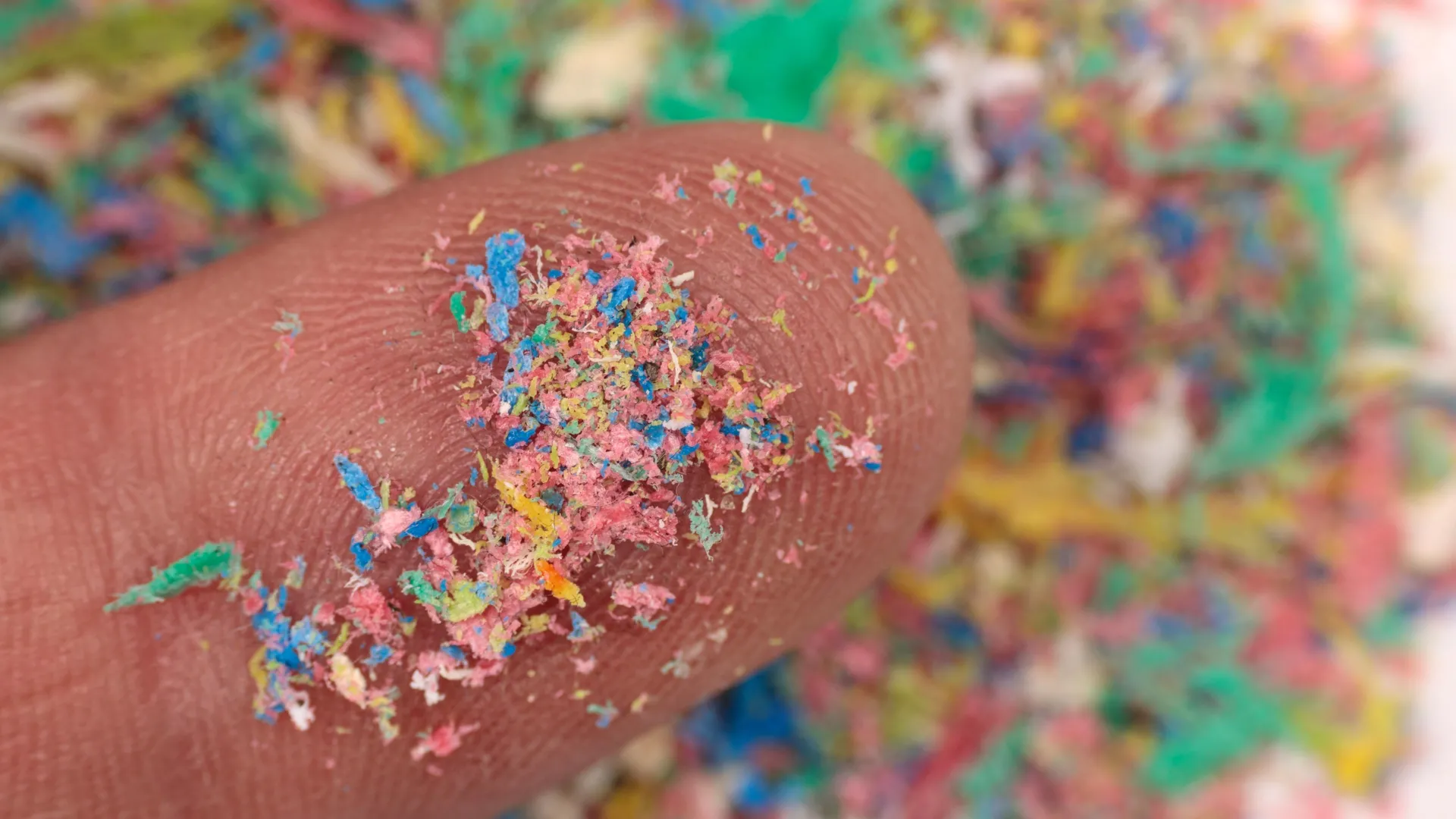
Microplastics Generate Reactive Oxygen Species in Water, Study Finds
Microplastics can spontaneously generate reactive oxygen species when they interact with water, according to a study published in Nature on October 14, 2026.
Plastic is widely used in food packaging, water bottles, and toys because it is considered chemically stable and unlikely to react with its surroundings. However, new research from Columbia University and the University of California, Berkeley demonstrates that this assumption changes as larger plastic objects break down into microplastics and nanoplastics.
“As plastic fragments into smaller and smaller particles, its surface area increases enormously,” said Wei Min, a Columbia professor of chemistry and biomedical engineering, according to ScienceDaily. “Then microplastics change the water that surrounds them, generating high-energy, reactive radicals (reactive oxygen species, ROS) that very likely contribute to biological damage that we see in animals and potentially in humans as a result of microplastic exposure.”
Chemical processes at the plastic water interface
The research builds on earlier work from Min’s laboratory. In 2024, the Columbia team developed a laser-based microscopy technique that detected an average of approximately 240,000 plastic fragments in a single liter of bottled water, mostly nanoplastics, which was 10 to 100 times more particles than previous estimates suggested.
Water plays an active role in the reaction rather than acting merely as a spectator. Many plastics are hydrophobic, meaning their surfaces repel water. When water encounters these surfaces, molecules and electrically charged particles near the boundary behave differently than in ordinary water.
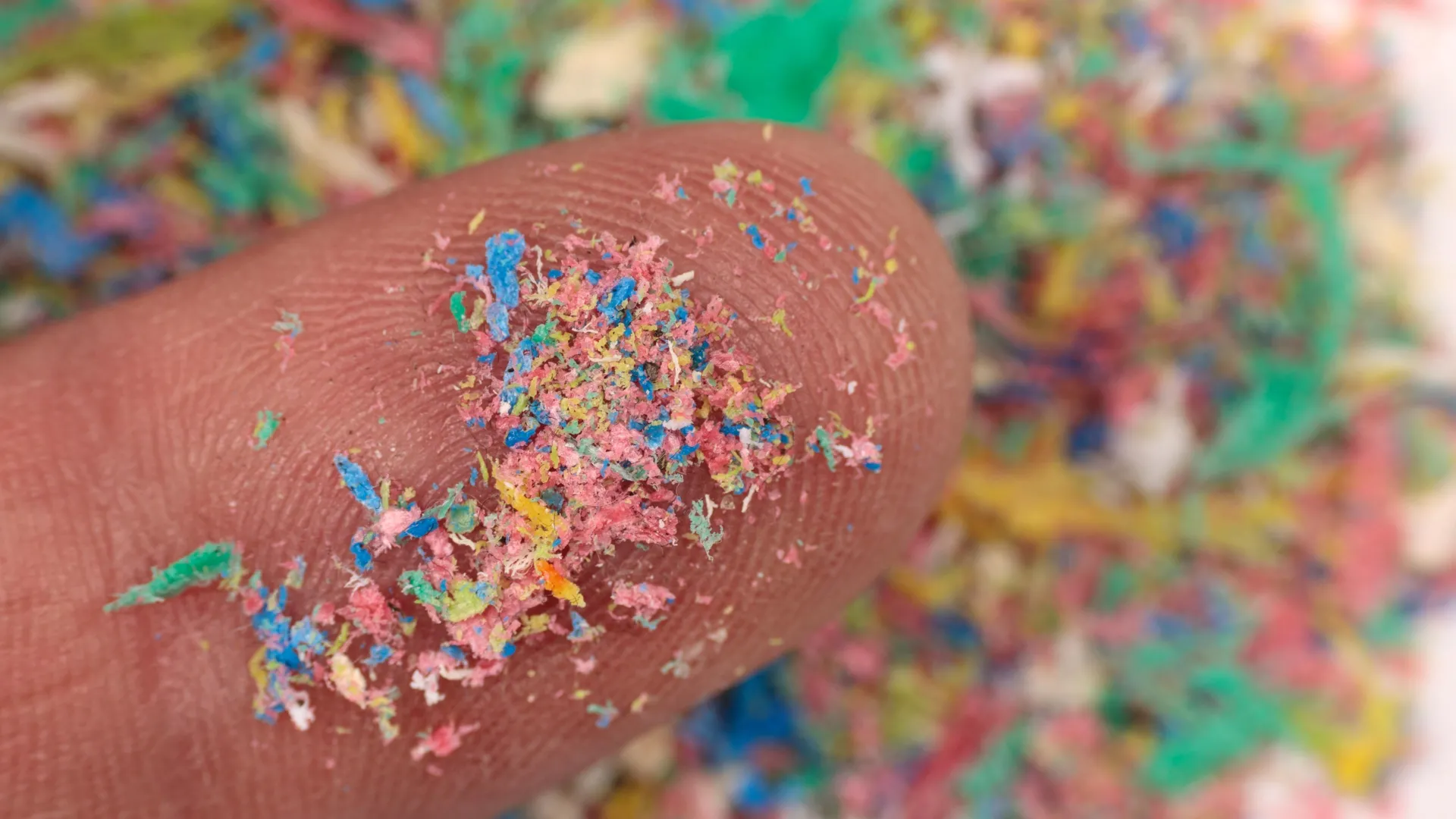
“When microplastics interact with water, as they do in bottled water, or when they’re absorbed into our bloodstream, they spontaneously generate what we call reactive oxygen species (ROS),” said Naixin Qian, a postdoctoral researcher in Min’s lab who helped lead the research. “ROS are textbook examples of the kinds of molecules that can damage animal and human tissue.”
Berkeley team models hydroxide concentration near plastic
Collaborators in Professor Teresa Head-Gordon’s laboratory at UC Berkeley used theoretical calculations and computer simulations to examine the interactions between plastic surfaces and water at the molecular level. The Berkeley team showed how hydroxide ions, which are negatively charged particles, become concentrated in the layers of water immediately surrounding a water-repelling plastic surface. In this environment, the ions more readily lose electrons and form hydroxyl radicals.
“Water is a key active player here, rather than just a spectator,” Min said. “It’s integral to making these microplastics reactive.”
The findings challenge the longstanding idea that microplastics are simply passive fragments of material. The research provides a possible chemical explanation for harmful effects associated with microplastic exposure, although the study does not establish that this process causes specific diseases in humans.
Microplastics enter waterways from industrial and daily sources
Microplastics enter rivers, lakes, and other waterways through industrial waste, wastewater, and everyday activities. Beizhan Yan’s Lamont-Doherty Earth Observatory said that microplastics originate from numerous sources, including plastic manufacturing facilities and laundromats.
Everyday processes, such as heating materials in a microwave or leaving bottled water exposed to sunlight during storage, also contribute to the formation of tiny plastic particles.
“This work has significant implications for environmental and human health,” Yan said. “In certain environments, such as discharges from plastic manufacturers and laundromats, microplastics can form and enter aquatic environments.”
Understanding the chemistry involved could eventually help scientists develop plastics that are less likely to generate harmful reactive molecules when exposed to water. Head-Gordon said that this fundamental work could ultimately lead to new engineering solutions by redesigning the chemistry of commodity plastics to reduce toxic outcomes on health and the environment.
Columbia University, where Wei Min’s laboratory conducted the microplastics research, was founded in 1754 as King’s College by royal charter under George II of Great Britain, making it the oldest institution of higher education in New York and the fifth-oldest in the United States. It was renamed Columbia College in 1784 following the American Revolution and became Columbia University in 1896.
The university operates the Lamont–Doherty Earth Observatory, whose researcher Beizhan Yan is cited in the study on microplastic sources. Columbia was also the first school in the United States to grant the MD degree and is a founding member of the Association of American Universities.
Disclaimer: The information provided in this article is for educational and scientific communication purposes only and does not constitute medical advice. Always consult with a qualified healthcare provider regarding any medical condition, diagnosis, or treatment plan.