
Mysterious “Ghost Lights” Explained by Tiny Lightning Strikes, New Research Reveals
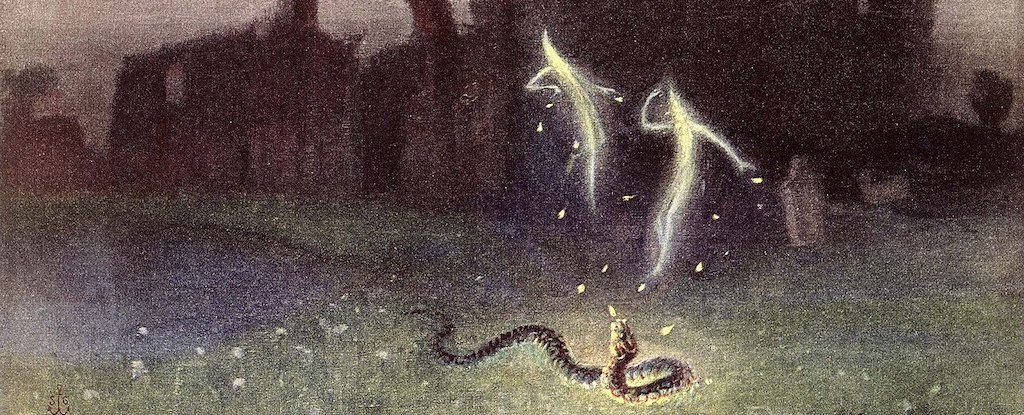
Stanford, CA – for centuries, cultures worldwide have reported eerie, dancing lights in swamps, forests, and even cemeteries. Now,a new study from Stanford University chemists offers a compelling scientific explanation for these phenomena – often known as will-o’-the-wisps,jack-o’-lanterns,or ignis fatuus – pinpointing them too a previously underestimated source: microlightning.
The research, published in the journal PNAS on February 22, 2025, demonstrates how these miniature electrical discharges can ignite flammable gases like methane. While folklore attributes these lights to everything from the spirits of the dead to the trickery of the Devil (as detailed in historical accounts like one from JSTOR), the new findings provide a physically grounded explanation.
Previous theories suggested spontaneous combustion of swamp gas,but lacked a clear ignition trigger. The Stanford team’s experiments recreated conditions found in gas-liquid environments. By bubbling air and methane through water and observing the resulting bubbles with a high-speed camera, they captured flashes of microlightning lasting fractions of a millisecond. The frequency of these flashes increased significantly when methane was present.
“Microlightning between methane microbubbles offers a natural ignition mechanism for methane oxidation under ambient conditions,” the researchers write in their published paper.
The revelation links electrified interfaces to spontaneous “cool flames” and offers a concrete explanation for the occurrence of ignis fatuus.
Interestingly, this research builds on previous work by some of the same scientists, who have suggested that similar microlightning events could have played a crucial role in the vrey origins of life, providing the energy needed to kickstart the chemical reactions that led to the emergence of life from non-living matter.
This latest study not only demystifies a centuries-old enigma but also highlights the potential importance of these tiny electrical events in both natural phenomena and the basic processes of life itself.
https://doi.org/10.1073/pnas.2521255122
