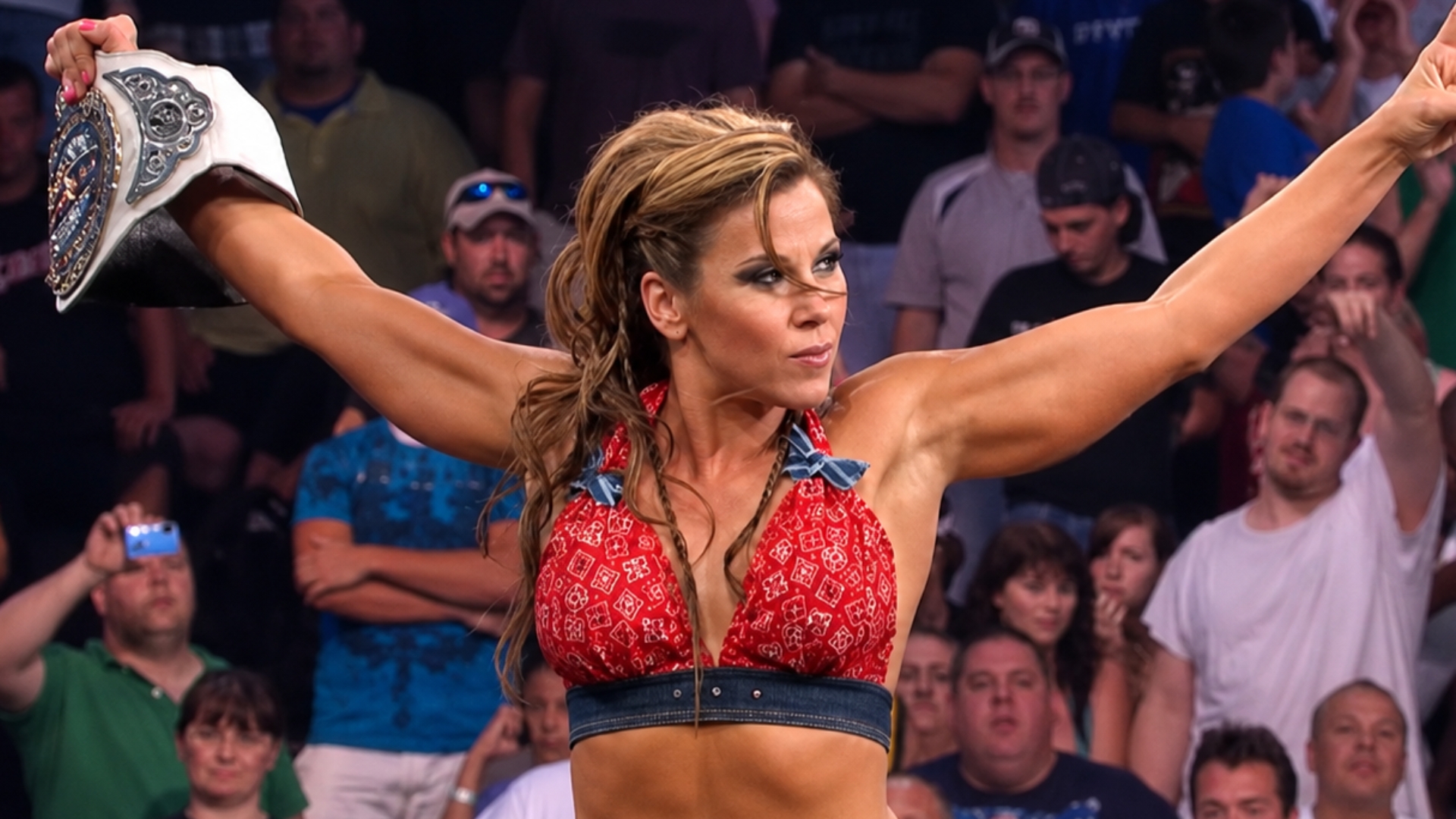
Mickie James Reveals Why She Nearly Quit WWE Before Her Debut
Speaking on the Wrestling Life Online podcast with Ben Veal, James detailed how a combination of developmental attrition, the rise of the Diva Search, and self-doubt pushed her to the brink of an early retirement.
The Breaking Point in Ohio Valley Wrestling
Before establishing herself as a cornerstone of the women’s division, James spent two years grinding out developmental matches in Ohio Valley Wrestling (OVW). According to her interview with Wrestling Life Online and Tall Oak Productions, the daily reality of the developmental territory wore her down. She watched peers get released while WWE management leaned heavily into recruiting non-wrestlers through the Diva Search.
“I’d watched a lot of people get fired at OVW. I’d been there for two years,” James recalled during the podcast. “They had started the Diva Search, and all the Divas were coming down and training and then going to TV. I’m helping teach them how to do headlocks and stuff, and I just had this real moment of, ‘Maybe this isn’t the journey for me,’ because I chose wrestling and did all the sacrifices and finally got the job, and now I feel like I’m not who they’re looking for.”
Feeling entirely out of place, James turned to then-boss Tommy Dreamer to express her intentions to walk away. She admitted that she had taken acting and modeling classes in a desperate bid to adapt to the aesthetic mold favored by management at the time, yet still felt like a misfit in the evolving landscape of the company.
The Intervention and the Pivot to Creative Longevity
Rather than accepting her resignation immediately, Tommy Dreamer intervened by granting James extra time off over the Christmas break to reconsider her career path. This pause allowed for a crucial conversation with her mother, who strongly discouraged her from abandoning a lifelong dream after so many years of sacrifice. Returning from the break with a renewed perspective, James recognized that survival in the promotion required extreme differentiation.

Instead of trying to conform to an unnatural standard, James brainstormed an entirely new character concept. That creative spark materialized into her debut program in October 2005 as an obsessive fan-turned-rival of Trish Stratus. The narrative success of that storyline relied heavily on Stratus’s willingness to embrace the fresh, unconventional angle, ultimately transforming a near-resignation into one of the most memorable feuds of the era.
For athletes and performers operating in high-stakes industries, facing sudden career stagnation often requires localized support systems. Maintaining high performance under immense pressure demands precision, whether on the mat or in business development.
Disclaimer: The insights provided in this article are for informational and entertainment purposes only and do not constitute medical advice or sports betting recommendations.