Michigan Reports First Deaths in Record-Breaking US Cyclosporiasis Outbreak
Michigan Records First Fatalities in Historic Nationwide Cyclospora Surge
Two Michigan residents have died following infections from Cyclospora, marking the first fatalities tied to a historic nationwide outbreak of the diarrhea-inducing parasite that has now reached at least 45 states, according to the Michigan Department of Health and Human Services.
The unfolding public health emergency traces its origins back to early May. Federal health agencies have registered more than 18,000 confirmed or suspected cases nationwide, dwarfing the previous historical high of approximately 4,700 cases documented during a 2019 surge tracked by the Centers for Disease Control and Prevention. Public health officials emphasize that actual infection figures remain substantially higher because many mild or moderate cases go undiagnosed.
Michigan health authorities confirmed the fatalities on Monday, noting that both deceased individuals presented underlying health conditions that exacerbated the severity of the illness. Cyclosporiasis rarely proves fatal, but the microscopic parasite produces severe gastrointestinal distress characterized by frequent and sometimes explosive bowel movements, accompanied by gas, bloating, stomach cramps, nausea, and vomiting, according to CDC data.
Shredded Iceberg Lettuce Linked to Multi-State Outbreak
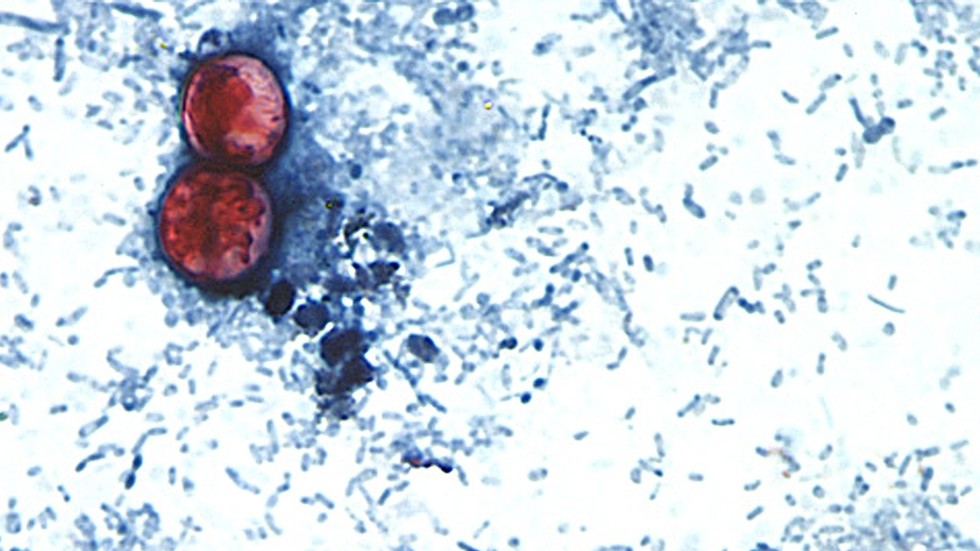
The microscopic, spherical parasite spreads primarily through food or water contaminated with fecal matter. Fruit and vegetables exposed to contaminated irrigation water act as primary transmission vectors. In late July, the CDC identified shredded iceberg lettuce served at Taco Bell restaurant locations across multiple states as the definitive source of the outbreak.
Supply Chain Investigations Focus on Mexican Supplier
The supply chain investigation pointed directly to Taylor Farms de Mexico as the implicated supplier. In response to federal findings, the company pulled all implicated iceberg lettuce inventory from the United States market. Federal inspectors continue to evaluate whether contaminated shipments reached additional restaurant chains or retail grocery distributors. The parasite remains endemic to Mexico and other tropical and subtropical regions, and investigators maintain there is no evidence of direct person-to-person transmission.
Regulatory Pressures and Sanitation Mandates Strain Distributors
Vulnerabilities in International Fresh Produce Networks
As state health departments monitor for additional complications and fatalities, epidemiologists stress that robust surveillance and rapid traceback capabilities remain the primary defense against large-scale parasitic contamination events.