Mexico Rolls Out 12,750 Primary Care Clinics for Universal Health Service
Mexico’s federal government is rolling out 12,750 primary care clinics nationwide under the Universal Health Service initiative, with the Institute for Social Security and Services for State Workers contributing 500 clinics to the new network, La Jornada reported.
Clinic Rollout Schedule and Distribution Across States
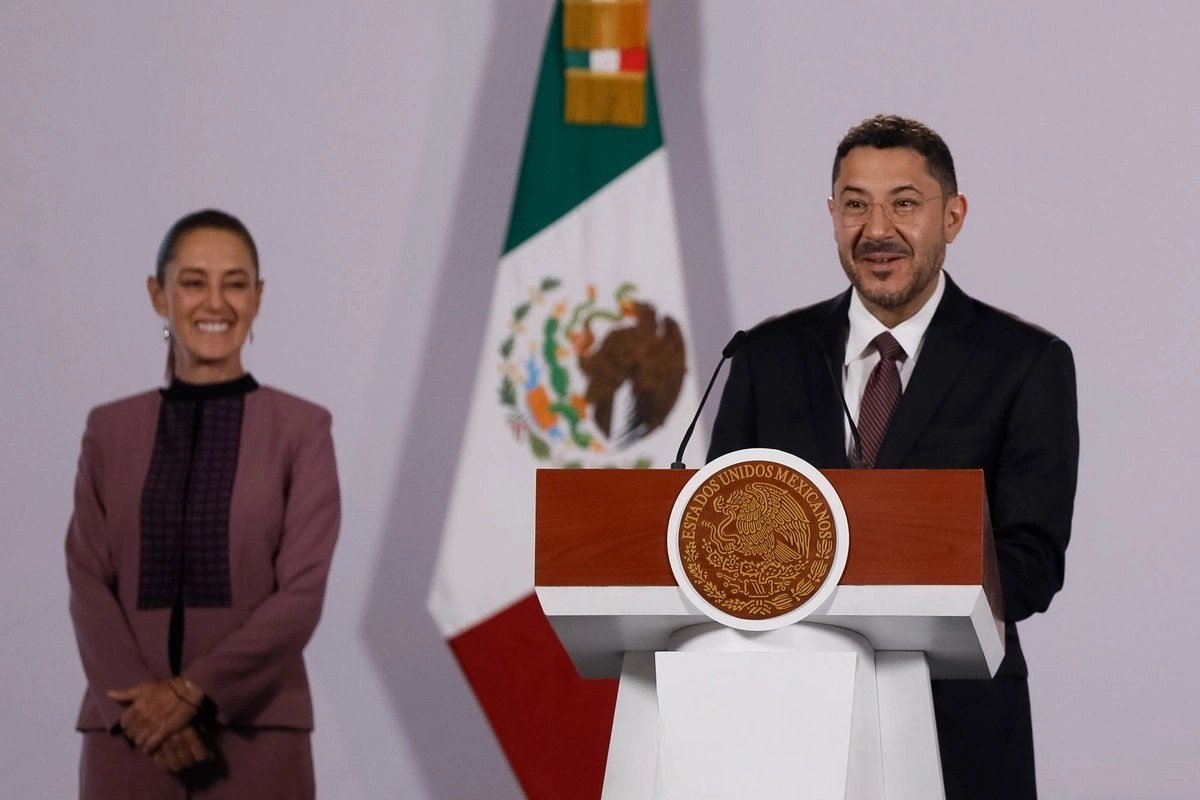
Martí Batres Guadarrama, director general of the institute, detailed that 100 of the promised clinics are already completed and operational, with another 100 scheduled for completion by the end of the year. The federal government plans for all 12,750 medical spaces across 24 states to begin full operations in January 2027.
The completed clinics are distributed across several regions, including 33 in Michoacán, 20 in Oaxaca, 10 in Puebla, 10 in Tlaxcala, 10 in Yucatán, six in Mexico City, five in Quintana Roo, three in Guerrero, and three in Chiapas. These facilities currently provide medical services to the public regardless of whether individuals hold formal institutional affiliation. The broader federal effort includes 905 clinics slated specifically for the State of Mexico.
Services and Integration Across Public Health Institutions
The newly established clinics are designed to handle common acute ailments such as headaches, stomachaches, and colds, while also providing ongoing management for chronic conditions like diabetes and hypertension. The Universal Health Service framework integrates multiple public entities—including the institute, the Mexican Social Security Institute, and IMSS-Bienestar—into a coordinated network aimed at bridging coverage gaps for an estimated 44.5 million people lacking formal social security.
In the State of Mexico, these primary care facilities operate alongside existing programs such as the Health House by House initiative, Wellbeing Pharmacies, and Labs in Your Clinic. Federal health officials report that the multi-agency network delivered 101.2 million first-level consultations between January and July 2026, marking a 28% increase compared to 2022 figures, supported by a broader federal infrastructure investment.
Disclaimer: The views and cultural analyses presented in this article are for informational and entertainment purposes only. Information regarding legal disputes or financial data is based on available public records.
Related reading
- Cinemablend: Tony DiNozzo Returns as New NCIS Director in Season 24 Premiere
- Kylie Jenner to Make Acting Debut in Hulu Series Bachelorette Weekend
- Secret Service Warns San Antonio of Traffic Disruption for Trump Visit (newsdirectory3.com)
- Jeon Won-joo addresses health and inheritance on PD Su-cheop (archyde.com)