
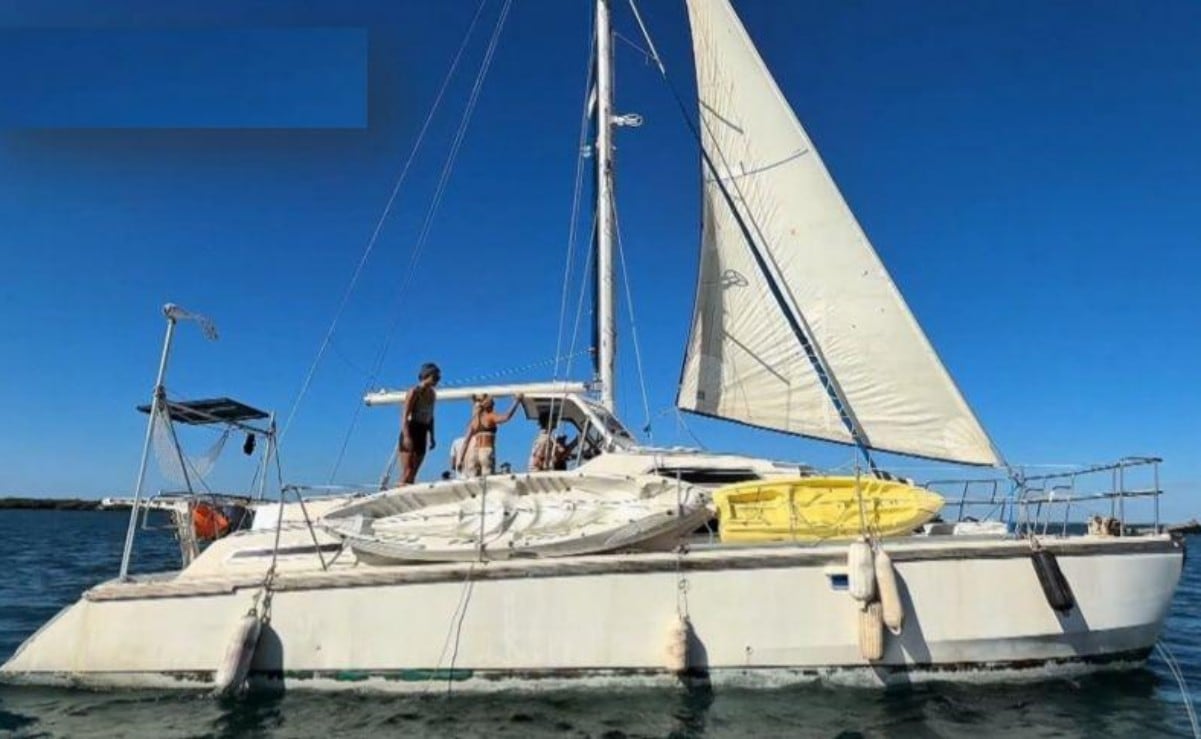
Mexican Navy Searches for Missing Sailboats Carrying Humanitarian Aid to Cuba
The Mexican Navy Secretariat has launched a comprehensive search operation for two missing sailboats carrying nine crew members, including a child, between Isla Mujeres and Havana. Activated on March 26, 2026, the Naval Defense Plan deploys air and surface units across the Caribbean to locate the humanitarian mission vessels overdue since March 25. This incident highlights critical gaps in maritime safety protocols for private humanitarian aid transport.
The Silence Over the Yucatan Channel
The Caribbean Sea is stunning. It is similarly unforgiving. On March 20, 2026, two catamarans, the Friends Ship and the Tiger Moth, departed Isla Mujeres, Quintana Roo. Their mission was noble. They carried between two and three tons of medicines and food supplies destined for Havana, Cuba. This initiative, known as the Our America Flotilla, aimed to bridge humanitarian gaps through direct maritime delivery. But the sea does not care about intent. It cares about currents, weather, and mechanical integrity.
By March 26, silence had replaced radio contact. The vessels were scheduled to arrive between March 24 and 25. When they did not, the Mexican Navy Secretariat triggered emergency protocols. This is not merely a missing persons case. It is a complex international incident involving multiple jurisdictions. The crew comprises nationals from various countries, including a four-year-old child. The stakes could not be higher. Families are waiting. Governments are watching.
International Protocols and the Search Grid
Search and rescue operations in this region require precise coordination. The Navy has alerted Naval Commands in the Fifth Naval Region and Ninth Naval Zone. They are not working alone. The operation involves interagency coordination with the Port Captaincy of Isla Mujeres and technical instances for maritime information analysis. This data-driven approach allows for the optimization of decision-making during critical windows.
Surface and air units are now active. This includes Persuader aircraft executing maritime and aerial search patterns. They are following the estimated route between Isla Mujeres and Havana. The search grid accounts for the programmed defeat, possible course change points, and prevailing meteorological conditions. Ocean currents in the Yucatan Channel can shift a drifting vessel miles off course in hours.
“The Navy Secretariat reiterated its commitment to employ all available resources for the location of the vessels and the safeguarding of their crews, prioritizing the protection of human life at sea under international search and rescue protocols.”
International cooperation is the backbone of this effort. Communication channels are open with Maritime Rescue Coordination Centers in Poland, France, Cuba, and the United States. Diplomatic representations of the crew members’ countries of origin are also engaged. This network ensures real-time information exchange. It reduces the risk of duplicated efforts. It maximizes the probability of localization.
Legal and Logistical Complexities of Maritime Aid
Transporting humanitarian aid by private vessel across international waters involves significant legal risk. While the intent is charitable, the logistics are governed by strict maritime law and customs regulations. The cargo includes medications and provisions. Moving these across borders, even in distress, requires clear documentation. Without it, rescue operations can grow entangled in bureaucratic delays.
This is where professional guidance becomes essential. Navigating the penalties and liabilities associated with international maritime transport is a logistical minefield. Developers and organizers of such missions are increasingly consulting top-tier maritime and admiralty attorneys to shield their assets and ensure compliance before departure. Proper legal framing can expedite rescue clearance and protect organizers from unintended regulatory violations during emergencies.
the classification of such events matters for global news aggregation. Using standards like AP Classification Metadata, this event falls under specific geography and organization tags. Accurate tagging ensures that relevant aid organizations and family members receive timely updates through personalized news feeds. In 2026, aggregator apps combine explicit preferences with implicit behavior to rank stories by relevance. Ensuring this news reaches the right audience is part of the safety net.
Families Wait as Clock Ticks
Behind the tactical maps and aircraft patrols are human beings. The crew includes Adnaan, Alexis, Andres, Ayla, Claire, Hugo, Ira, Kun, and Pierre. The presence of a minor amplifies the urgency. Communication blackouts are common in maritime distress, but every hour without contact increases anxiety. The Navy has called on the national and international maritime community to report any sightings immediately.
Commercial, fishing, and recreational vessels operating in the Caribbean and Gulf of Mexico are eyes on the water. If you see something, say something. Immediate reporting to the nearest naval authorities can save lives. For families awaiting news, the uncertainty is agonizing. Access to verified information is crucial to prevent misinformation.
During such crises, securing vetted crisis management and family support services is a critical first step. Professional coordinators can liaise with consular offices and naval commands, ensuring families receive accurate updates without overwhelming official channels. This structured support allows authorities to focus on the search while loved ones are cared for.
The Broader Implication for Caribbean Safety
This incident underscores the require for robust safety planning in private humanitarian missions. The Caribbean is a high-traffic zone with complex weather patterns. Relying on goodwill is not a strategy. It requires insurance, contingency planning, and redundant communication systems. The activation of the Naval Defense Plan is a testament to the state’s responsibility to safeguard human life at sea. But prevention is better than rescue.
Organizations planning similar voyages must prioritize risk assessment. Engaging with marine safety and insurance specialists before departure can mitigate these risks. Comprehensive coverage and safety audits ensure that when things go wrong, the resources to fix them are already in place. The goal is to deliver aid without becoming the story.
As the search continues into the night of March 26, the focus remains on the horizon. The World Today News Directory stands ready to connect those affected with the verified professionals needed to navigate the aftermath. Whether it is legal counsel, crisis support, or safety auditing, the infrastructure for recovery exists. We just need to ensure it is accessible when the sea turns quiet.