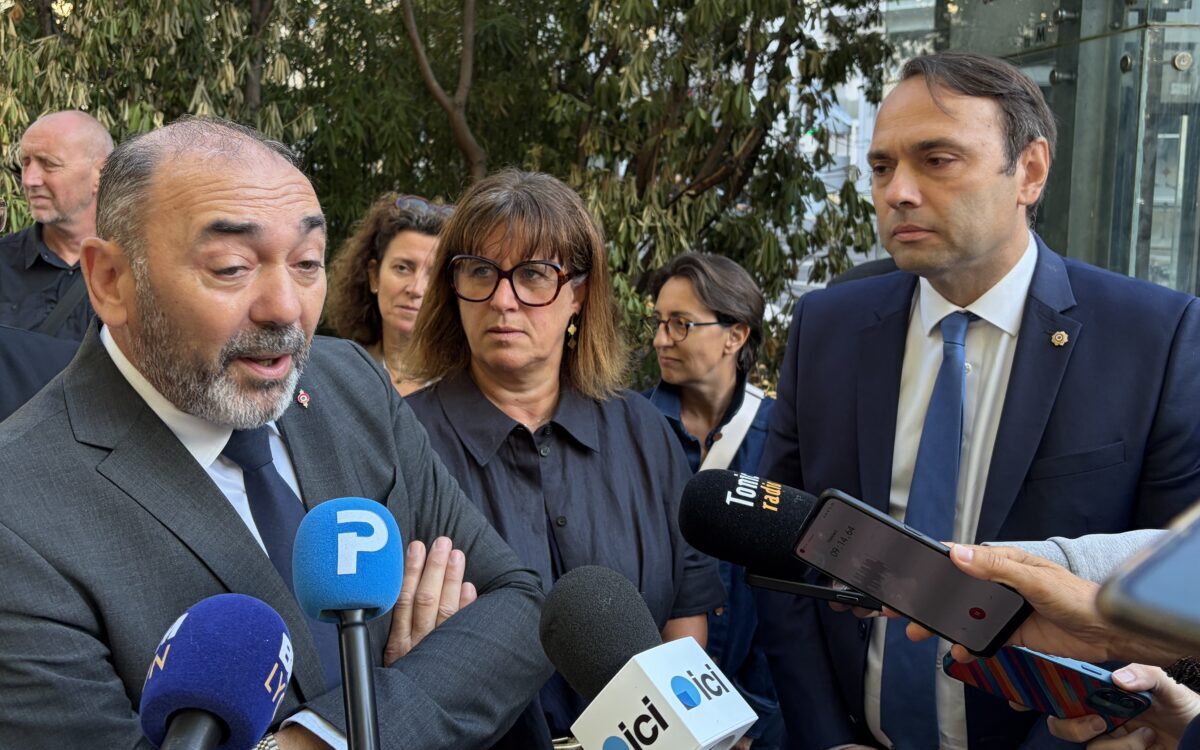
Métropole de Lyon adopts 30 million euro security plan for 2026-2032
The Métropole of Lyon adopted a comprehensive framework deliberation on September 28, establishing everyday security as a primary focus for the 2026-2032 mandate. Spearheaded by President Véronique Sarselli and Vice-President Jérémie Bréaud, the initiative includes a 30 million euro funding package for municipalities, a targeted school safety plan, and a dedicated transport brigade slated for early 2027.
A Strategic Shift in Regional Security Priorities
During the fall metropolitan council meeting on September 28, the leadership of the Métropole of Lyon unveiled what Vice-President Jérémie Bréaud described as a security shock designed to reshape the collectivity’s approach to public safety. Developed over several months of consultation with local stakeholders, the plan outlines nine distinct areas of action for the next six years. President Véronique Sarselli emphasized that the collectivity aims to play an active supporting role alongside the State and local communes without overstepping jurisdictional boundaries.
Public safety traditionally remains the responsibility of the State, while municipal mayors retain dedicated police powers. Despite these administrative boundaries, the Métropole intends to deploy its own financial and structural levers across transport networks, educational facilities, housing sectors, and urban policy initiatives. As Jérémie Bréaud noted during the council session, security is expected everywhere and for everyone, positioning the measure as a pragmatic response to community needs.
Municipal Investments and Collaborative Frameworks
Funding forms the cornerstone of the newly adopted framework. The previous administration spent 600,000 euros over six years on comparable security topics. In contrast, the current mandate allocates 5 million euros annually, totaling 30 million euros over the six-year period, to assist communes with direct investment projects.
Starting early next year, these funds will support municipal deployments of video surveillance equipment, supervision centers, and police vehicles. Special preference will be granted to collaborative projects shared across multiple communes. To ensure regional coordination, the collectivity also plans to launch the Metropolitan Council for Security and Crime Prevention. Originally enabled by statute in 2014 but never fully implemented locally, the council will unite communes, the prefecture, the National Police, the gendarmerie, and the public prosecutor’s office under a shared diagnostic framework.
Securing Educational Facilities and Public Transport
Educational institutions form a second major pillar of the strategy. The local rectorate has initiated a comprehensive audit examining safety across metropolitan middle schools. Following the audit, the collectivity will support individual schools in upgrading access controls, alarm systems, video surveillance networks, and perimeter fencing.
Meanwhile, the planned transport security brigade moves closer to execution. Promised by Véronique Sarselli during her campaign for the metropolitan leadership, recruitment for the unit will begin by the end of the year, with operational deployment targeted for the first quarter of 2027. The project aims to reach 120 armed agents by the middle of the mandate, scaling up to 200 agents by 2032. Formed from the existing intervention and assistance service, the brigade requires final authorization from the board of directors of Sytral.
A companion initiative, the social housing security brigade, is slated for development in 2028. Working alongside the three public housing offices linked to the collectivity—which manage over 78,000 housing units—the new unit will support municipal police forces in boosting ground-level presence and reinforcing tranquility within social housing estates.