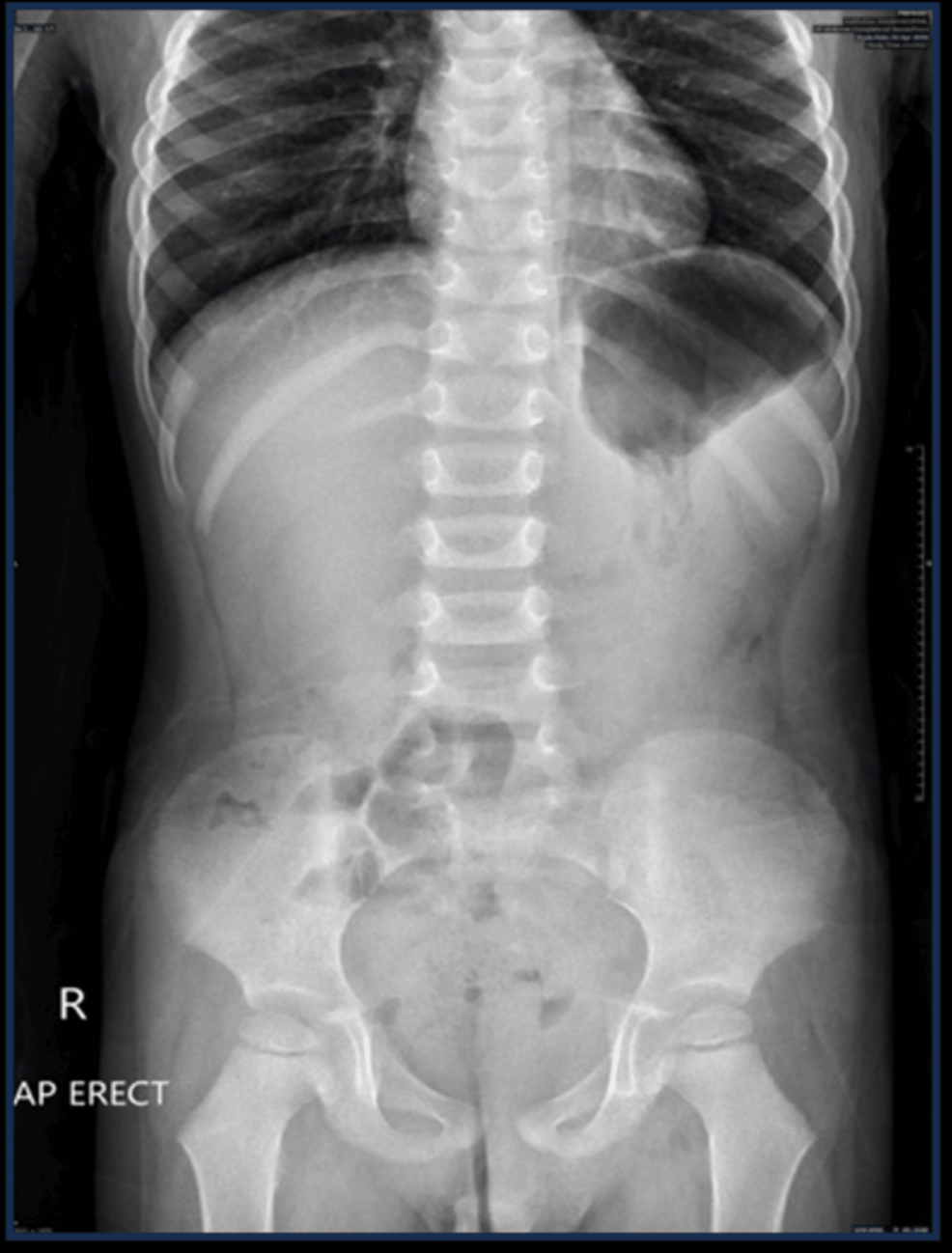
Metronidazole-Induced Acute Pancreatitis in a Child: A Case Report
A three-year-old child developed suspected metronidazole-induced acute pancreatitis following treatment for Entamoeba histolytica gastroenteritis, according to a case report published in Cureus. The clinical event highlights rare adverse drug reactions associated with standard pediatric parasitic treatments, prompting a closer evaluation of diagnostic safety markers in young patients.
Key Clinical Takeaways:
- A three-year-old patient presented with acute pancreatitis symptoms following standard metronidazole therapy for amoebic gastroenteritis.
- The case underscores the necessity of monitoring rare gastrointestinal complications during systemic antimicrobial and antiprotozoal treatment regimens.
- Clinicians managing pediatric parasitic infections should maintain vigilance for atypical adverse drug reactions when abdominal pain develops post-treatment.
Clinical Presentation and Diagnostic Timeline
The pediatric patient presented to medical evaluators following a course of metronidazole administered for diagnosed Entamoeba histolytica gastroenteritis. Metronidazole remains a foundational antimicrobial agent for anaerobic infections and protozoal parasites. However, the subsequent onset of abdominal distress pointed away from the primary infection and toward drug-induced toxicity. Diagnostic evaluations confirmed acute inflammation of the pancreas, an uncommon adverse event in pediatric populations receiving this specific therapy.
Managing complex pediatric drug reactions requires immediate consultation with multidisciplinary clinical teams. When unexpected symptoms arise during antimicrobial courses, clinicians and caregivers should connect with an experienced pediatric gastroenterology specialist to conduct thorough differential diagnoses and assess biomarker levels.
Pathogenesis and Pharmacovigilance Considerations
The exact pathogenesis connecting metronidazole administration to acute pancreatic inflammation remains under clinical investigation. While hepatobiliary and gastrointestinal side effects such as nausea and metallic taste are well-documented, drug-induced pancreatitis represents an idiosyncratic reaction rather than a dose-dependent toxicity. Pharmacovigilance data indicate that such rare reactions require prompt cessation of the offending agent and supportive clinical management to prevent systemic morbidity.
Healthcare facilities managing adverse drug events must adhere strictly to established reporting standards and safety protocols. Administrative teams and clinical researchers reviewing safety signals often collaborate with a qualified healthcare compliance and risk management advisory to ensure proper documentation and regulatory alignment.
Future Trajectory of Pediatric Pharmacotherapy Monitoring
As pediatricians balance the efficacy of front-line anti-infective therapies against potential systemic risks, enhanced post-market surveillance remains essential for identifying rare toxicities. Documenting isolated case reports in peer-reviewed literature builds the foundational data necessary for updating clinical guidelines and contraindication warnings. Future research will likely focus on genetic or metabolic predispositions that render certain young patients more susceptible to drug-induced pancreatic injury. For families and primary care providers navigating complex recovery pathways following severe gastrointestinal illnesses, consulting with a trusted pediatric diagnostic and outpatient care center ensures comprehensive follow-up evaluation and long-term wellness monitoring.
*Disclaimer: The information provided in this article is for educational and scientific communication purposes only and does not constitute medical advice. Always consult with a qualified healthcare provider regarding any medical condition, diagnosis, or treatment plan.*