
Meta’s VR Ambitions Find New Life in Military Contracts
Defense Spending Fuels Future of Augmented Reality Tech
Meta’s long and costly pursuit of virtual and augmented reality is poised for a significant shift, moving beyond consumer markets and finding a powerful ally in the U.S. Department of Defense. A new partnership with defense contractor Anduril promises to inject much-needed funding and purpose into Meta’s Reality Labs division.
A Return for Palmer Luckey
The collaboration reunites Meta with Palmer Luckey, the founder of Oculus VR, who was ousted from Facebook years ago. Luckey’s new company, Anduril, will leverage Meta’s advanced AR hardware and AI software to develop cutting-edge technologies for the military. This marks a surprising turn for Luckey, who “The people who ousted me…are not even at Meta anymore,”
he stated in a recent interview.
The U.S. military’s interest in AR technology has been growing, driven by the need for enhanced situational awareness and training capabilities. According to a report by Statista, the global AR market is projected to reach $97.76 billion in 2023, with the defense sector representing a substantial and rapidly expanding portion of that total. (Statista, 2023)
From Consumer Disappointment to Defense Advantage
Meta has invested tens of billions of dollars in VR and AR research and development since acquiring Oculus in 2014, yet commercial success has remained elusive. The Ray-Ban Meta Smart Glasses, while innovative, only gained traction after the rollout of Meta AI support six months after launch. The partnership with Anduril offers a path to recouping those investments and justifying the continued development of ambitious projects like the Meta Orion headset.
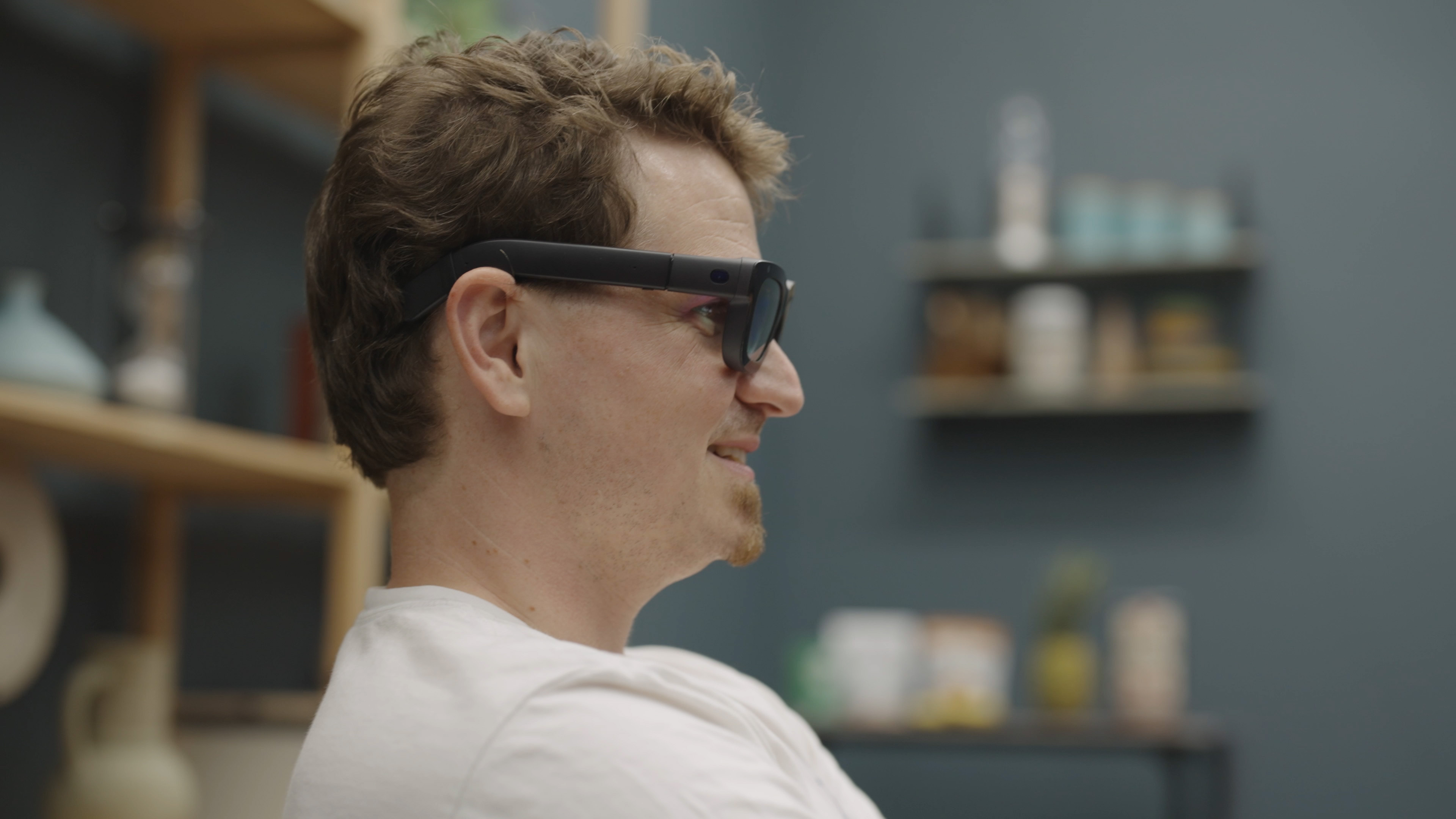
The Orion glasses, which Nick Sutrich described as a “Meta Quest headset somehow crammed inside”
a pair of glasses, currently carry an estimated production cost of $10,000 per unit. Mass production was previously financially unfeasible, but the military’s substantial budget—$849.8 billion for fiscal year 2025—provides a viable funding source.
Anduril’s press release emphasizes that the technologies will be funded through private capital, avoiding taxpayer support, and designed to save the military money by utilizing existing commercial technology. This approach allows Meta to leverage its existing R&D investments and potentially accelerate the commercialization of its AR products once the military’s needs are met.
The collaboration also addresses a critical challenge: domestic manufacturing. Luckey has stated that these new headsets “will be entirely made in America,”
a significant achievement in an industry heavily reliant on overseas production. This move could reshape the electronics manufacturing landscape and strengthen national security.
This partnership represents a pivotal moment for Meta, potentially validating Mark Zuckerberg’s long-term vision for AR and VR and securing the future of Reality Labs. It’s a strategic pivot that could transform a struggling consumer technology into a vital asset for national defense.
