
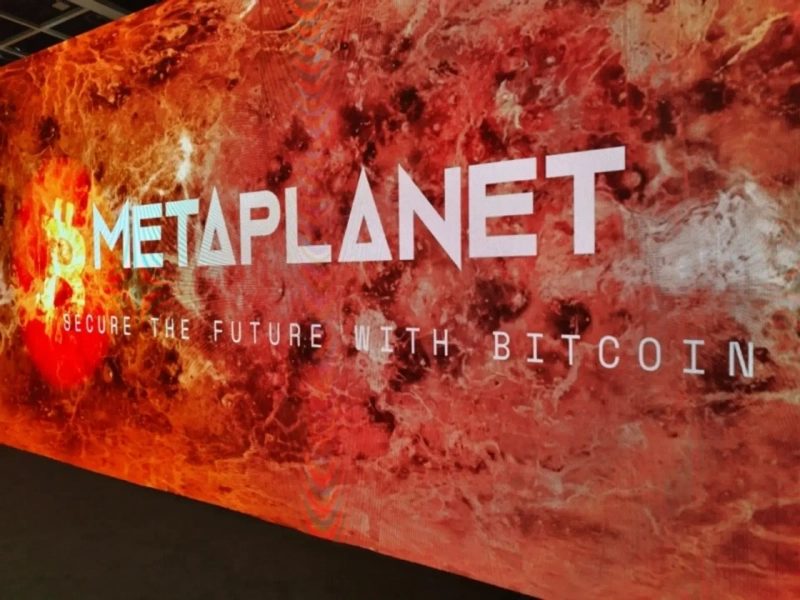
Metaplanet Surpasses 40,000 Bitcoin Holdings
Metaplanet has officially crossed the 40,000 Bitcoin threshold, reporting a holding of 40,177 BTC as of the first quarter of 2026. The Tokyo-listed entity is aggressively pivoting its corporate treasury toward digital assets to hedge against yen depreciation and maximize shareholder value through a high-conviction Bitcoin standard.
This isn’t just a speculative bet; it is a fundamental restructuring of the corporate balance sheet. By treating Bitcoin as a primary treasury reserve asset, Metaplanet is effectively attempting to decouple its valuation from the volatility of the Japanese yen and the stagnant growth of traditional domestic equities.
The fiscal problem here is systemic. For a Japanese firm, holding massive cash reserves in a currency plagued by long-term devaluation is a slow-motion liquidation of purchasing power. Metaplanet is solving this by shifting from a liability-heavy cash position to a hard-asset strategy. However, this pivot introduces extreme volatility and complex accounting hurdles that require enterprise risk management services to ensure the company doesn’t overleverage during a crypto winter.
The Architecture of a Digital Treasury
Metaplanet is following the “Saylor Playbook,” a strategy popularized by MicroStrategy, which involves using debt and equity issuance to acquire Bitcoin. The goal is to create a “Bitcoin yield”—essentially increasing the amount of BTC held per share of stock. When a company’s market cap begins to trade at a premium to its Net Asset Value (NAV) of Bitcoin, it creates a virtuous cycle of capital raising and asset acquisition.
The Q1 figures—40,177 BTC—represent a massive accumulation phase. At current market valuations, this portfolio is estimated at approximately $3.3 billion. This level of exposure transforms Metaplanet from a diversified business into a proxy for Bitcoin in the Japanese market.
It is a high-beta play.
To maintain this scale, the company cannot rely on simple exchange wallets. The sheer volume of assets necessitates institutional-grade digital asset custody solutions. Without multi-signature cold storage and insured custody, the operational risk of a single point of failure would be an unacceptable fiduciary breach for a public company.
Comparative Analysis: Traditional vs. BTC-Centric Treasuries
To understand the magnitude of this shift, one must look at how a Bitcoin-standard treasury differs from the traditional corporate approach to liquidity and reserves.
| Metric | Traditional Corporate Treasury | Metaplanet BTC-Standard |
|---|---|---|
| Primary Reserve Asset | Cash / Short-term Government Bonds | Bitcoin (BTC) |
| Inflation Hedge | Low to Negative (Real Yields) | High (Digital Gold Thesis) |
| Volatility Profile | Low / Predictable | High / Asymmetric |
| Capital Strategy | Dividend Payouts / Buybacks | Asset Accumulation / BTC Yield |
| Accounting Treatment | Amortized Cost / Fair Value | Impairment-based / Fair Value |
The Regulatory and Accounting Minefield
Executing this strategy in Japan is significantly more complex than doing so in the U.S. The Japanese Financial Services Agency (FSA) maintains strict oversight on digital asset holdings, and the tax implications for corporate crypto holdings have historically been punitive.
Under traditional Japanese accounting standards, crypto assets were often subject to mark-to-market taxation on unrealized gains at the end of the fiscal year. This creates a “phantom tax” problem where a company owes cash to the government for an increase in the value of an asset it hasn’t sold. Navigating these liabilities requires the intervention of specialized corporate tax advisory firms capable of structuring holdings to defer tax liabilities.
“The transition to a Bitcoin treasury is less about the asset itself and more about the evolution of corporate fiduciary duty in an era of currency debasement. We are seeing a shift where ‘safe’ assets are redefined as those with a fixed supply.”
The market’s reaction to Metaplanet’s 40k BTC milestone suggests that investors are pricing in this “digital gold” premium. The company is no longer being valued on its operational EBITDA, but on its ability to acquire more BTC per share.
Macro Implications for the APAC Region
Metaplanet is the bellwether for a larger trend across Asia. As central banks in the region struggle with aging demographics and stagnant productivity, the allure of a non-sovereign reserve asset becomes stronger. If Metaplanet successfully maintains its solvency and growth trajectory through the next few fiscal quarters, expect a wave of “copycat” treasury pivots among mid-cap Japanese firms.
This creates a massive opportunity for B2B providers who can bridge the gap between legacy finance and the digital asset economy.
The risk, of course, is the “drawdown.” A 50% correction in Bitcoin would wipe billions off Metaplanet’s balance sheet overnight. For a company with significant debt used to fund these purchases, the margin of safety is thin. The company must balance its aggressive acquisition phase with a sustainable liquidity runway to avoid being forced to sell assets at the bottom of a cycle.
The move is bold. It is risky. It is a direct challenge to the traditional notion of corporate stability.
As we move into the second half of 2026, the key metric to watch will not be the price of Bitcoin, but Metaplanet’s cost-basis per coin. If they can continue to lower their average entry price while increasing total holdings, they will have effectively engineered a new form of corporate equity.
For firms looking to navigate this new landscape of digital treasury management or seeking the infrastructure to support such a pivot, the World Today News Directory remains the premier resource for connecting with vetted, institutional-grade B2B partners in risk management, tax law, and digital custody.