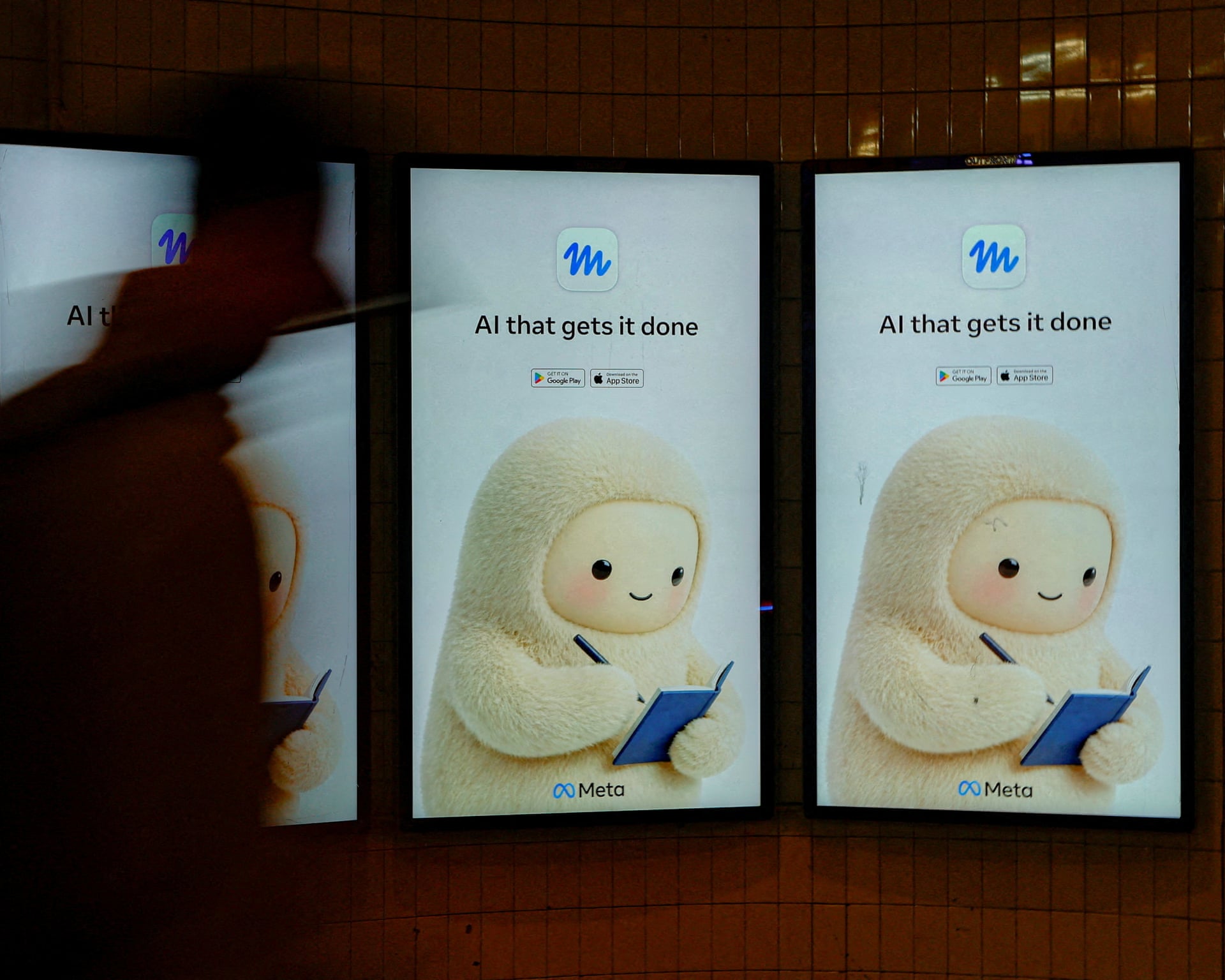
Meta Launches Muse AI Agent in UK for Users 18+ for Christmas Shopping, per Reports
Meta has launched its AI shopping and lifestyle assistant, Muse, in the UK for users aged 18 and older, allowing people to delegate Christmas shopping, travel bookings, and schedule management directly through messaging apps, Unite.AI reported.
What can Muse actually do?
The autonomous agent is designed to execute sequences of tasks rather than simply answer text prompts, handling jobs such as chasing refunds, renewing car insurance, making phone calls, and booking cinema tickets, The Telegraph reported. Users can interact with the assistant via WhatsApp, Android, iOS, or muse.ai, choosing a name, look, and personality for their digital helper. The app features a fuzzy mascot named Jolly and has already accumulated 10 million users worldwide since its September rollout in the US, 7NEWS reported.
“I’m thrilled that millions of Brits will now have access to a personal agent that gets things done on their behalf,” Shruti Dube, UK Country Director at Meta, told Retail Technology Innovation Hub.
Meta has signed deals with several major British businesses—including Marks & Spencer, Currys, Sainsbury’s, easyJet, and Debenhams Group—allowing the software to navigate their websites from launch. Checkout tools like Stripe’s Link and Shop Pay are integrated to facilitate purchases, while PayPal is listed as coming soon.
Meta said the assistant can also make phone calls on a user’s behalf, though that feature requires a subscription. The software remembers details users mention once, such as dinner party preferences, so it can proactively suggest a menu before sending invitations. Users can customise the fuzzy Muse mascot, named Jolly, and the agent integrates with services including Gmail, Instagram, Spotify, and retailers such as Argos.

How does Meta protect user privacy?
Handing control of daily digital life to an automated assistant is an “act of trust,” Meta acknowledged, noting that the software keeps passwords and payment methods out of view and does not share conversations with advertisers, The Guardian reported. Each assistant operates inside a dedicated cloud-based virtual machine, and a separate security component called Sentinel acts as the sole permission authority for network actions, Unite.AI reported.
The software cannot execute a purchase or transmit an outgoing email without explicit user approval, Superpower Daily reported. Interactions with the tool are used by default to train Meta’s artificial intelligence systems, though users can disable this setting in their controls, POLITICO reported.
A separate security agent checks Muse’s actions against the permissions users have granted. “Think of it as a helping hand for the jobs that pile up, like chasing a refund, renewing car insurance or keeping on top of the school calendar,” Meta said. “To get those jobs done, you can connect Muse to the apps you already use, from your email and calendar to the retailer apps you shop on.”
What risks do regulators and testers flag?
British watchdogs said concerns such as fraud, scams and misuse of personal information needed to be addressed by companies providing personal AI agents.
Reuters reported that Meta staff members flagged performance glitches during US testing, such as an employee receiving a reminder to answer a message from her sister on Signal and another instance where the assistant generated random bank account balances. Meta said that those software bugs have been fixed and that internal testing is essential for implementing safety protections before public releases.
Meta said many apparent account mix-ups were hallucinations—invented information—and had been addressed.