Met Gala 2026: Iconic Fashion, Beauty Secrets, and Top Highlights
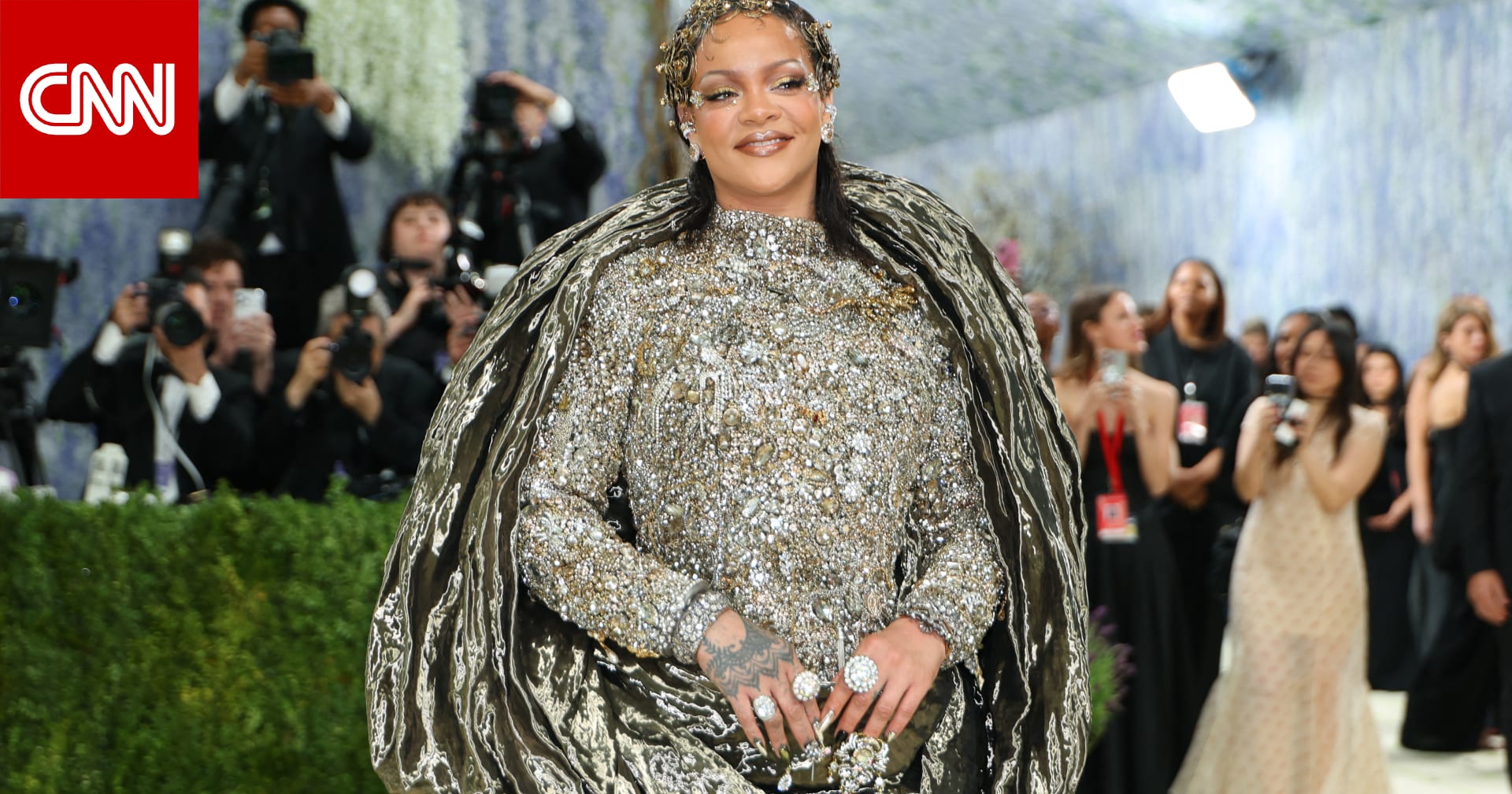
Rihanna dominated the 2026 Met Gala with a massive medieval-inspired ensemble, while Anne Hathaway channeled a modern Cinderella and Georgina Rodriguez opted for a veiled, unconventional look. Amidst the sartorial spectacle, a “Boycott Met Gala for Bezos” movement ignited, sparking a fierce debate over the intersection of extreme wealth and cultural curation.
The Met Gala has long transcended the boundaries of a mere fundraiser, evolving into a high-stakes theater of brand equity and social signaling. However, the 2026 iteration revealed a widening fracture between the celebration of avant-garde artistry and the optics of billionaire influence. When a cultural event becomes a lightning rod for protests against the “dominance of money,” the narrative shifts from the silhouette of the dress to the source of the funding. For the organizers, this isn’t just a PR hiccup; it is a systemic risk to the institution’s perceived authenticity.
The Architecture of Power: Rihanna’s Medieval Manifestation
Rihanna has a storied history of treating the Met Gala carpet as her own personal runway for cultural commentary, and 2026 was no exception. By leaning into a “massive” medieval aesthetic, she didn’t just wear a costume; she occupied space in a way that mirrored the absolute monarchies of the Middle Ages. In an era of digital fragmentation, the sheer physicality of her look served as a reminder of the power of presence.
The industry understands that these moments are meticulously engineered. A look of this magnitude requires more than just a talented atelier; it necessitates a logistical army. From the moment the sketch is finalized to the final fitting, the production relies on a network of elite event management firms capable of transporting fragile, oversized couture through the claustrophobic corridors of New York City luxury transport.

While Rihanna played with the imagery of old-world power, Anne Hathaway leaned into the timelessness of fantasy. Her “glass slipper” inspired look was a masterclass in narrative dressing, effectively bridging the gap between cinematic nostalgia and high fashion. Similarly, Georgina Rodriguez challenged traditional red-carpet norms with a veil, introducing a layer of mystery and unconventionality that shifted the gaze toward a more global, eclectic interpretation of elegance.
“The modern red carpet is no longer about ‘beauty’ in the classical sense; it is about the strategic deployment of intellectual property. Whether it’s a nod to a fairytale or a medieval fortress, the goal is to create a viral image that sustains brand relevance across SVOD platforms and social feeds for months.” — Senior Analyst, Global Luxury Trends Report.
The Bezos Backlash and the Crisis of Cultural Capital
The glamour of the evening was sharply contrasted by the “Boycott Met Gala for Bezos” movement. The outcry, which centered on the perceived hegemony of extreme wealth over cultural events, highlights a growing sensitivity toward “philanthro-capitalism.” The movement argued that when the ultra-wealthy dictate the terms of cultural celebration, the art becomes secondary to the ego of the benefactor.
This tension creates a precarious environment for the celebrities and brands involved. When a guest list becomes a political statement, the risk of brand contagion increases. A celebrity wearing a gown funded by a controversial figure can suddenly find themselves at the center of a social media firestorm. In such instances, the immediate reflex for high-net-worth individuals is to engage specialized crisis communication firms to pivot the conversation back to the artistry and away from the economics.
From a business perspective, this conflict represents a struggle over “cultural capital.” The Met Gala seeks to maintain its status as the ultimate arbiter of taste, but that status is threatened when the event is viewed as a playground for the 0.1%. The challenge for the museum is to balance the necessity of massive corporate and private donations with the need to remain a credible voice in the global arts community.
The Monetization of the Glow: Beauty Tech as the New Sponsorship
Beyond the fabric and the protests, there is a quieter, more lucrative trend emerging: the integration of medical-grade beauty technology into the celebrity ecosystem. The mention of the LYMA device as a “secret” to the stars’ skin reveals a shift in how beauty is marketed. We are moving away from the era of the “magic cream” and into the era of the “home-care device.”
This transition is a goldmine for brand equity. By associating a specific piece of hardware with the “Met Gala glow,” companies are moving their products from the vanity to the clinic. This shift requires complex licensing agreements and rigorous intellectual property protections to ensure that the proprietary technology behind these devices isn’t replicated by fast-beauty competitors.
The synergy between high-tech skincare and high-fashion events creates a closed loop of luxury consumption. The guest arrives looking flawless thanks to a device, wears a dress that costs more than a suburban home, and is photographed by a global press corps, all while the underlying technology is subtly marketed to a captivated audience. It is a seamless integration of commerce, and culture.
The Future of the Red Carpet Hegemony
As we look toward the next cycle of cultural events, the lesson of the 2026 Met Gala is clear: aesthetics can no longer exist in a vacuum. The “medieval” grandeur of Rihanna and the “glass slipper” magic of Hathaway are breathtaking, but they are now viewed through a lens of socioeconomic scrutiny. The “Boycott Bezos” movement is a canary in the coal mine, signaling that the public is increasingly weary of the intersection between extreme wealth and cultural curation.
The industry must now decide if the Met Gala will remain a fortress of exclusivity or evolve into a more inclusive dialogue about art and society. For the power players—the agents, the designers, and the PR gurus—the goal remains the same: maintain the spectacle while mitigating the scandal. In the ruthless business of celebrity, the only thing more valuable than a stunning dress is a clean reputation.
For those navigating the complex intersection of celebrity, law, and luxury, finding vetted professionals is the only way to survive the spotlight. Whether you are managing a brand’s reputation during a public boycott or securing the IP for the next breakthrough in beauty tech, the World Today News Directory provides a curated gateway to the world’s leading professional service providers across the entertainment and culture sectors.