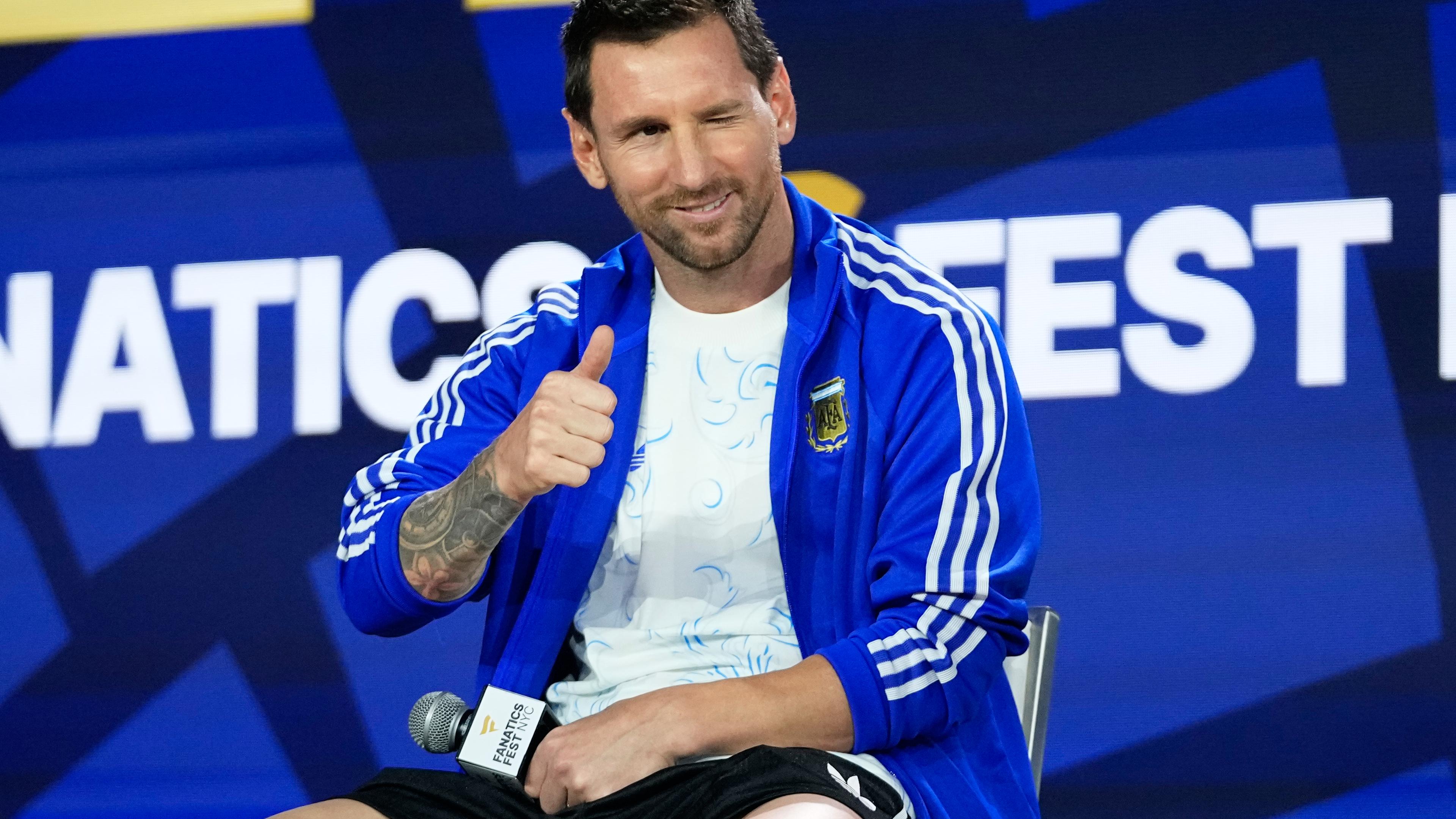
Messi vs Yamal: Argentina and Spain Face Off in World Cup Final
Argentina and Spain are set to contest the 2026 World Cup final at New York New Jersey Stadium this Sunday, marking a historic clash between the reigning South American and European champions. The match pits Lionel Messi’s Argentina against a disciplined Spanish squad, highlighting a generational intersection between Messi and Lamine Yamal.
The Geometric Shift: Argentina’s Offensive Flair Versus Spain’s Defensive Wall
The tactical narrative of this final centers on a stark stylistic contrast. According to FOX Sports analyst Stu Holden, the match represents a battle between “Spanish control and Argentine spirit.” Spain has maintained a defensive record throughout the tournament, having not conceded a single goal. Their defensive core, anchored by Rodri, Pedro Porro, and Pau Cubarsí, has proven impenetrable in high-pressure knockout rounds.
Conversely, Argentina has relied on late-game surges and individual brilliance. Argentina has successfully netted three goals in five of their seven matches, demonstrating a clinical finishing ability that contrasts with Spain’s methodical, possession-based approach.
For fans and international visitors arriving in the New Jersey and New York metropolitan area, the logistical requirements of such a high-profile event are substantial.
Generational Symmetry: Messi and Yamal
The pre-match discourse has been dominated by the viral 2007 photograph of a young Lionel Messi with an infant Lamine Yamal. At 39, Messi remains the centerpiece of the Argentine attack, while 19-year-old Yamal represents the rising vanguard of Spanish football.
According to FIFA’s Power Rankings, the depth of both squads extends far beyond these two names. Argentina’s Cristian Romero is currently ranked as the fifth-best defender in the tournament, while Lautaro Martínez has solidified his role as a key offensive threat with three goals. On the Spanish side, Mikel Oyarzabal leads his team with five goals, underscoring a scoring depth that complicates defensive planning for Argentina.
Economic and Logistical Stakes of the 2026 Final
The financial scale of the 2026 World Cup final reflects the demand for the event. As of Saturday afternoon, the cheapest ticket to attend the game costs more than $9,200.
The scale of this event often requires specialized oversight.
Historical Precedents and Tactical Expectations
Spain enters the final with the opportunity to cement a legacy of cohesion. Luis de la Fuente, the Spanish coach, attributes the team’s success to a deeply ingrained cultural formation that emphasizes fluidity and group identity. If Spain secures the title, Lamine Yamal and Pau Cubarsí will enter the record books as two of the youngest players to ever win a World Cup final, trailing only Pele and Italy’s Giuseppe Bergomi.
Argentina’s path, defined by dramatic victories against Egypt and England, suggests a team that thrives under extreme psychological pressure. Rodri, the 2024 Ballon d’Or winner, acknowledged the singular influence of Messi while emphasizing that the Argentine squad functions as a cohesive unit. The match is not merely a contest of skill, but an endurance test of two distinct footballing philosophies.
As the final whistle approaches, the focus shifts from the spectacle of the Javits Center appearances to the tactical reality of the pitch. The confluence of Argentina’s offensive unpredictability and Spain’s rigid defensive structure ensures that the match will be decided by the narrowest of margins. Whether the trophy heads to Buenos Aires or Madrid will ultimately be determined by which team can successfully force their opponent to abandon their established identity under the weight of the global stage.