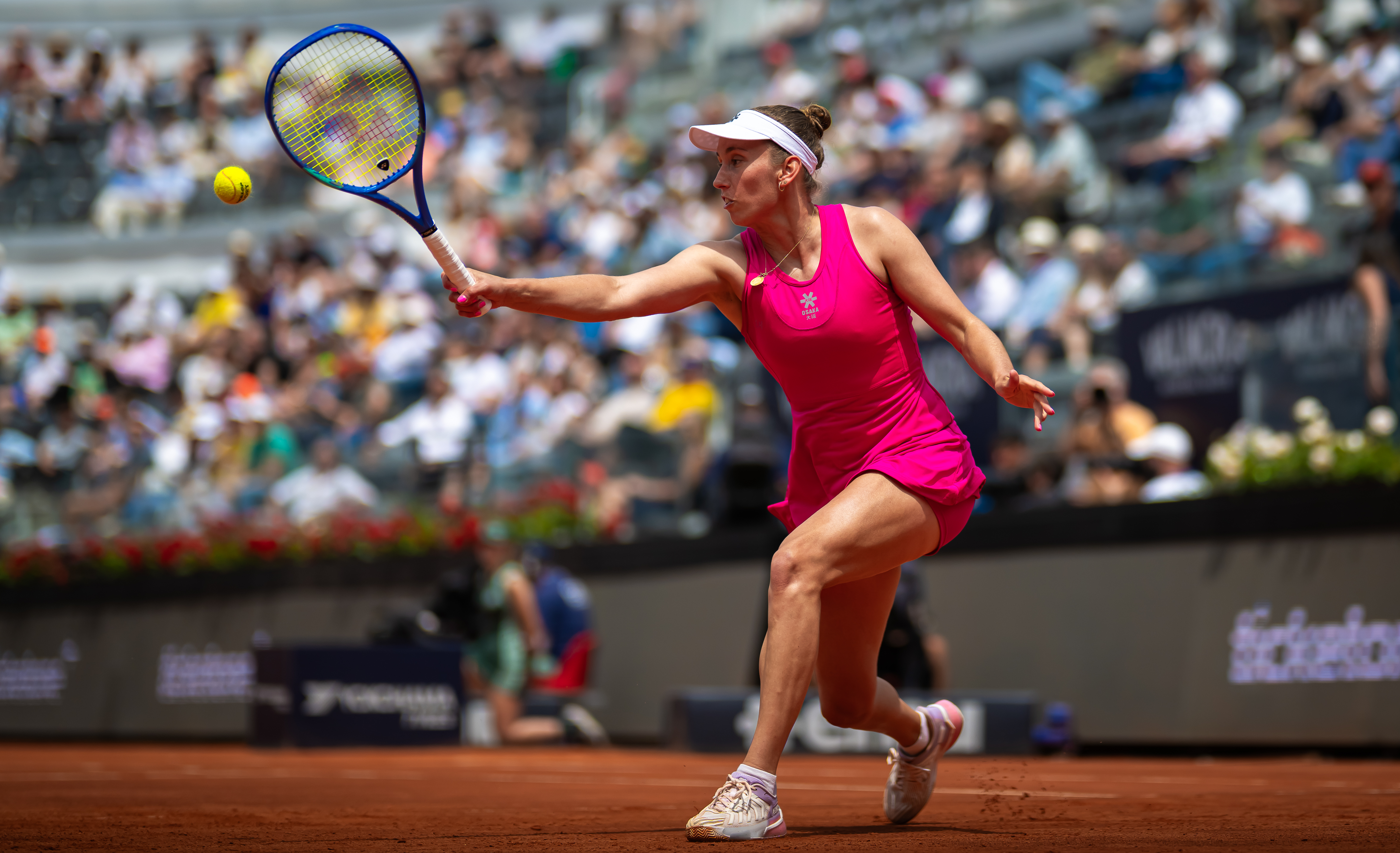
Mertens Ends Jasmine Paolini’s Italian Open Title Defense in Rome
Elise Mertens ended Jasmine Paolini’s title defense at the Internazionali BNL d’Italia in Rome on May 9, 2026. Mertens saved three match points to secure a 4-6, 7-6(5), 6-3 victory in the third round, marking her 13th career win against a Top 10 opponent in a match lasting 2 hours and 41 minutes.
The exit of a defending champion on home soil is rarely just a sporting loss; it is a tactical collapse that ripples through the tournament’s psychological landscape. For Paolini, the No. 9 seed, the defeat was a grueling exercise in missed opportunities and mental fatigue. This result underscores a volatile trend currently dominating the 2026 clay-court swing, where the ability to survive match-point deficits has become a defining characteristic of the season’s most resilient competitors.
The Tactical Breakdown: A Study in Mental Erosion
Analyzing the raw match data, the narrative centers on a catastrophic failure in conversion. Paolini held three match points at 6-5 in the second set, a juncture where the match was tactically won. However, Mertens, the No. 21 seed, demonstrated a level of court coverage and defensive stability that effectively neutralized Paolini’s baseline aggression. The second set, which eventually slid into a 7-5 tiebreak for Mertens, served as the pivot point for the entire contest.

The physical toll of the terre battue was evident. Paolini entered this third-round clash already depleted, having survived a 2-hour and 55-minute opener against Leolia Jeanjean on Thursday. This lack of recovery time likely contributed to the “rollercoaster” nature of her performance. When a player fails to close out a match with three distinct opportunities, the psychological weight shifts, often leading to a degradation in shot selection and an increase in unforced errors.

“On clay, the margin between a champion’s defense and a collapse is measured in centimeters, and seconds. When a player misses three match points, they aren’t just losing a game; they are losing the belief that the court is theirs. Mertens didn’t just win the points; she won the mental war of attrition.”
Mertens’ victory is not an anomaly but a continuation of a long-standing tactical advantage. The Belgian currently leads the professional head-to-head 5-2. Her ability to disrupt Paolini’s rhythm is a testament to her versatility and experience in Rome, where she previously reached the quarterfinals in 2020 and secured a Top 10 win exactly one year ago by defeating Jessica Pegula.
The Macro Trend: The ‘Escape’ Era of 2026
Looking at the broader WTA Tour data, this match is part of a statistical outlier regarding match-point resilience. According to official tournament records, this marks the 11th tour-level win from a match-point-down position since the clay-court swing began in April. The concentration of these escapes is particularly high in Madrid and Rome, suggesting a shift in how elite players are managing high-pressure periodization and late-match load management.
This trend suggests that the current generation of clay-court specialists is prioritizing defensive recovery over aggressive finishing. For players like Paolini, this means that a “winning” shot is no longer sufficient; the point must be clinically closed. The inability to do so creates a vacuum that seasoned veterans like Mertens are expertly filling. This shift in momentum often requires a level of physical conditioning and recovery that exceeds standard training regimens.
While elite athletes have access to world-class touring physios, the sheer intensity of the Rome clay puts immense strain on the lower extremities. For aspiring athletes and local competitors attempting to emulate this level of endurance, securing vetted local orthopedic specialists and rehab centers is critical to preventing the kind of fatigue-induced collapses seen in the later stages of these matches.
Economic Echoes in the Eternal City
The early exit of a local favorite like Paolini has immediate implications for the host city’s sports economy. The Internazionali BNL d’Italia generates significant revenue through ticket surges and merchandise sales tied to home-grown stars. When a defending champion falls in the third round, the “halo effect” on local hospitality and fan engagement typically dips, as casual spectators are less likely to purchase premium seating for subsequent rounds.
The logistical demands of managing such a high-profile event in Rome are immense. The sudden shift in crowd dynamics and the pressure of hosting global stars require seamless coordination. The tournament’s success depends heavily on the integration of regional event security and premium hospitality vendors who can pivot operations as the draw evolves and fan attendance fluctuates based on who remains in the bracket.
the ranking implications are severe. With the loss of defending champion points, Paolini faces the reality of sliding out of the Top 10 by the end of the tournament. Such a drop doesn’t just affect seeding; it impacts endorsement valuations and contract leverage. In these high-stakes transitions, players often rely on specialized sports contract lawyers to navigate the nuances of performance-based bonuses and sponsorship triggers that are tied to Top 10 rankings.
The Path Forward: Resilience vs. Ranking
For Elise Mertens, this win is a validation of her status as a “tricky” opponent and a giant-killer on clay. By saving three match points, she has not only advanced in the tournament but has reinforced her psychological dominance over one of the tour’s rising stars. For Paolini, the focus must now shift from the pain of the loss to the necessity of a mental reset before the next major. The 2026 season has proven that on clay, the match is never over until the final ball is dead.
As the tournament progresses, the focus will shift toward who can maintain the physical and mental fortitude required to survive the Rome grind. Whether you are a professional athlete managing a ranking slide or a business owner supporting the sports ecosystem, the ability to adapt to sudden volatility is the only true competitive advantage. To find the professional services necessary to navigate the complexities of the sports world—from medical recovery to legal counsel—explore the vetted experts in the World Today News Directory.
Disclaimer: The insights provided in this article are for informational and entertainment purposes only and do not constitute medical advice or sports betting recommendations.