Merkel Cell Carcinoma Patients Show Higher Mortality and Hospitalization Rates
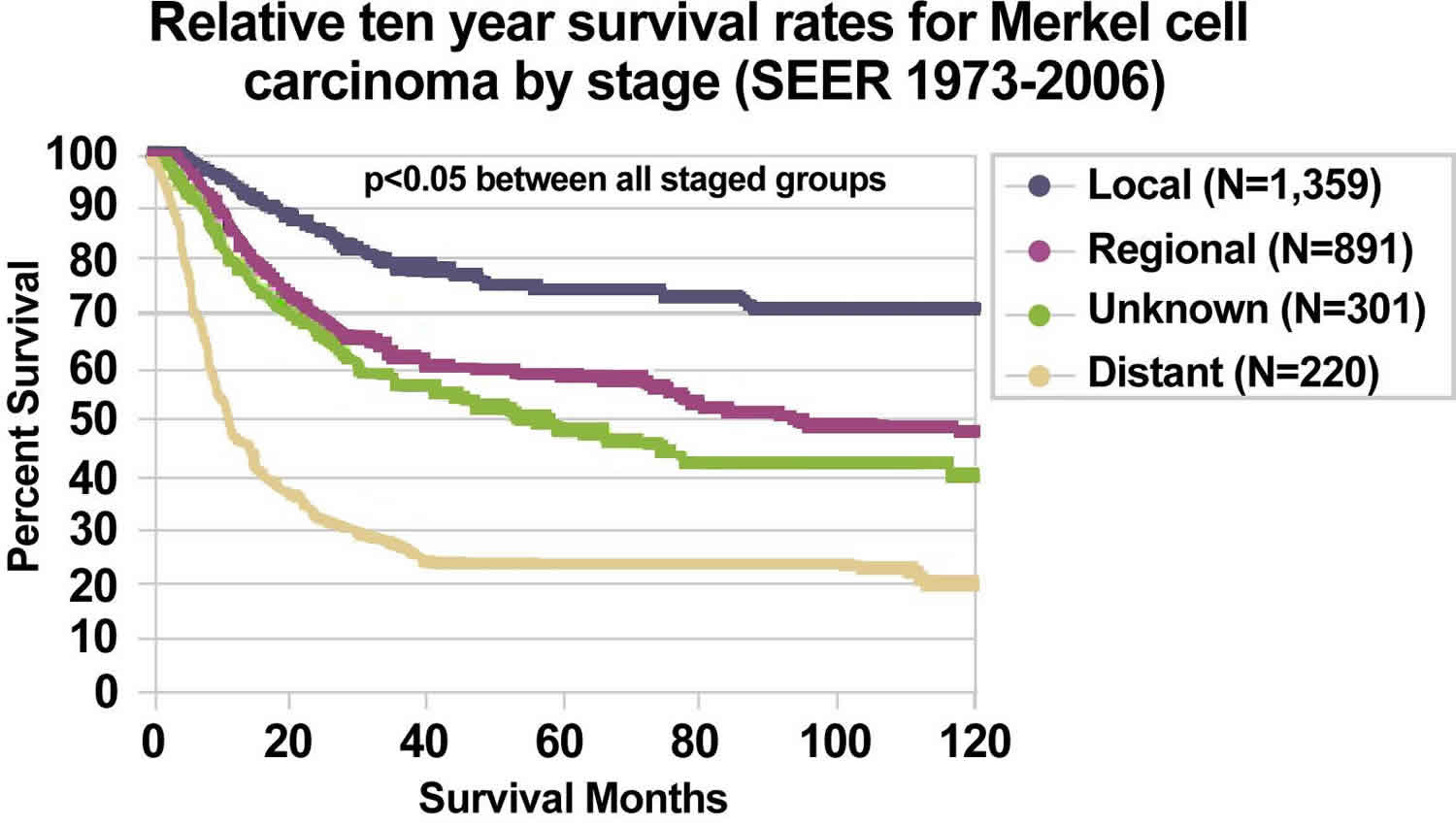
Patients with Merkel cell carcinoma had higher mortality, more hospitalizations, and a greater comorbidity burden than matched patients without the disease and several other cancer cohorts in a study.
- MCC patients face higher rates of all-cause mortality and emergency department utilization compared to those with melanoma or squamous cell carcinoma.
- The disease’s high comorbidity profile suggests that systemic health status plays a critical role in treatment outcomes and survival.
- Early detection and multidisciplinary management are essential to mitigating the increased clinical burden observed in MCC cohorts.
The Clinical Burden of Merkel Cell Carcinoma
A recent comparative analysis examining long-term patient outcomes has identified a distinct clinical vulnerability in those diagnosed with MCC. The study, which utilized extensive population-based cohorts, highlights that MCC is not merely a localized dermatological issue but a systemic health challenge that frequently leads to secondary hospitalizations.

The pathogenesis of MCC is intrinsically linked to the Merkel cell polyomavirus (MCPyV) in approximately 80% of cases, though ultraviolet radiation exposure remains a significant cofactor in virus-negative tumors. This dual etiology contributes to the aggressive nature of the disease, which often presents as a rapidly enlarging, painless, flesh-colored nodule. For patients presenting with suspicious lesions, timely biopsy and referral to a board-certified surgical oncologist or specialized dermatology center are vital to ensure accurate staging and early intervention.
Comparative Mortality and Healthcare Utilization
When contrasted with melanoma—the most common cause of skin cancer-related mortality—MCC shows a higher propensity for early lymphatic spread and distant metastasis. Research indicates that the comorbidity burden in MCC patients, which includes chronic cardiovascular and pulmonary conditions, often complicates the standard of care. Because MCC often affects older, immunocompromised populations, the clinical management must account for these pre-existing vulnerabilities.
Healthcare providers are increasingly utilizing advanced imaging, such as PET/CT scans, to better assess the systemic spread of MCC. However, the costs associated with these diagnostic protocols and subsequent immunotherapy regimens can be substantial. For clinics attempting to optimize patient pathways, consulting with specialized medical billing and healthcare compliance services is essential to manage the administrative complexities of high-acuity oncology care.
Biological Mechanisms and Current Therapeutic Trends
The standard of care for MCC has evolved significantly with the advent of immune checkpoint inhibitors. By targeting the PD-1/PD-L1 pathway, clinicians have achieved durable responses in patients with metastatic disease. However, the efficacy of these treatments is often dictated by the patient’s underlying immune status and the tumor's mutational burden.

"We are seeing that the intensity of care required post-diagnosis is significantly higher than that of other cutaneous cancers, necessitating a shift toward more robust, integrated care models."
Future Trajectories in Oncology Management
The data suggests that the future of MCC treatment lies in precision medicine and early identification of high-risk cohorts. As clinical trials continue to investigate the synergy between radiation therapy and immunotherapy, the importance of patient access to high-volume specialty centers cannot be overstated. Patients and primary care providers are encouraged to seek consultation with vetted oncology diagnostic centers to ensure that treatment protocols are aligned with the latest evidence-based guidelines.
As the medical community refines its approach to MCC, the focus must remain on reducing hospital readmissions and improving the quality of life for long-term survivors. Through better integration of geriatric oncology and specialized dermatological surgery, the prognosis for patients may improve despite the inherent aggressiveness of the malignancy.
Disclaimer: The information provided in this article is for educational and scientific communication purposes only and does not constitute medical advice. Always consult with a qualified healthcare provider regarding any medical condition, diagnosis, or treatment plan.