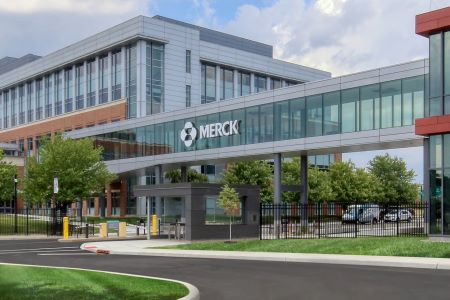
Merck and Moderna Advance mRNA Melanoma Treatment Amid Patent Expiry Impacts
Merck and Moderna have advanced clinical evaluations for their personalized mRNA cancer vaccine candidate, designated mRNA-4157 (V940), in combination with the anti-PD-1 therapy pembrolizumab (Keytruda), targeting high-risk melanoma patients following surgical resection. This therapeutic pipeline development intersects with global biopharmaceutical patent expirations, altering market dynamics for oncology treatments as regulatory agencies review phase-level efficacy data.
Key Clinical Takeaways:
- Merck and Moderna are evaluating the mRNA-4157 vaccine alongside Keytruda for resected high-risk melanoma.
- Clinical timelines hinge on ongoing Phase III trial progression and safety profiling under regulatory guidance.
- Patent expirations for established immunotherapies are shifting financial valuations and R&D strategies across major pharmaceutical firms.
The core clinical challenge in managing high-risk cutaneous melanoma lies in mitigating recurrence following surgical excision. Traditional adjuvant therapies often present significant toxicity profiles while leaving residual micro-metastases unaddressed. The investigational mRNA approach encodes specific neoantigens derived from a patient’s individual tumor mutational profile, training the adaptive immune system to target malignant cells selectively. According to clinical trial designs reviewed by oncology researchers, combining this neoantigen therapy with an immune checkpoint inhibitor aims to overcome tumor-induced immunosuppression in the microenvironment.
For patients navigating complex oncology treatment regimens, securing specialized clinical evaluations is critical. It is essential to consult with vetted board-certified medical oncologists or surgical specialists to review personalized immunotherapy eligibility. When navigating sudden shifts in clinical trial availability or complex diagnostic frameworks, healthcare facilities often retain clinical trial coordinators to streamline patient access and trial enrollment.
Financial analysts tracking the pharmaceutical sector note that patent cliffs for blockbuster biologic drugs are accelerating portfolio diversification efforts. As foundational patents approach expiration, pharmaceutical developers face revenue erosion, prompting increased capital allocation toward proprietary mRNA technology platforms and combination therapies. This economic pressure influences how biotech firms structure joint development agreements and prioritize late-stage clinical pipelines.
Institutional investors monitoring these shifts must evaluate both clinical trial endpoints and regulatory patent horizons. For specialized guidance on intellectual property lifecycles and regulatory compliance, stakeholders frequently engage healthcare compliance legal counsel to review clinical development agreements and market exclusivity provisions.
The trajectory of personalized cancer vaccines depends heavily on upcoming overall survival data from registrational trials. As regulatory bodies evaluate risk-benefit ratios, the integration of mRNA platforms into standard oncological care will rely on sustained replication of durable responses in larger patient cohorts. To explore specialized diagnostic centers and verified oncology networks, consult with certified clinical research organizations.
Disclaimer: The information provided in this article is for educational and scientific communication purposes only and does not constitute medical advice. Always consult with a qualified healthcare provider regarding any medical condition, diagnosis, or treatment plan.