
Silent Skies: Mental Health Stigma Remains a Major Hurdle for airline Pilots, Review Finds
A newly published narrative review underscores the significant barriers airline pilots face in seeking mental health support, despite growing awareness of mental wellbeing in the aviation industry. The study, appearing in Aerospace Medicine and Human Performance, reveals a complex interplay of factors – from deeply ingrained cultural norms to practical logistical challenges – that prevent pilots from accessing crucial care, possibly impacting both their personal lives and flight safety.
The review,conducted by researchers at King’s College London,highlights a profession historically characterized by a “culture of stoicism” and fear of career repercussions. This reluctance to report mental health concerns is particularly concerning given pilots’ demanding schedules, high-pressure environments, and the inherent duty for passenger safety. Approximately 13% of the general population will experience a mental health condition in any one year; prevalence rates among pilots are believed to be similar, yet reporting rates remain substantially lower. The findings come as the aviation industry grapples with increased operational demands post-pandemic and a growing focus on proactive mental health strategies.
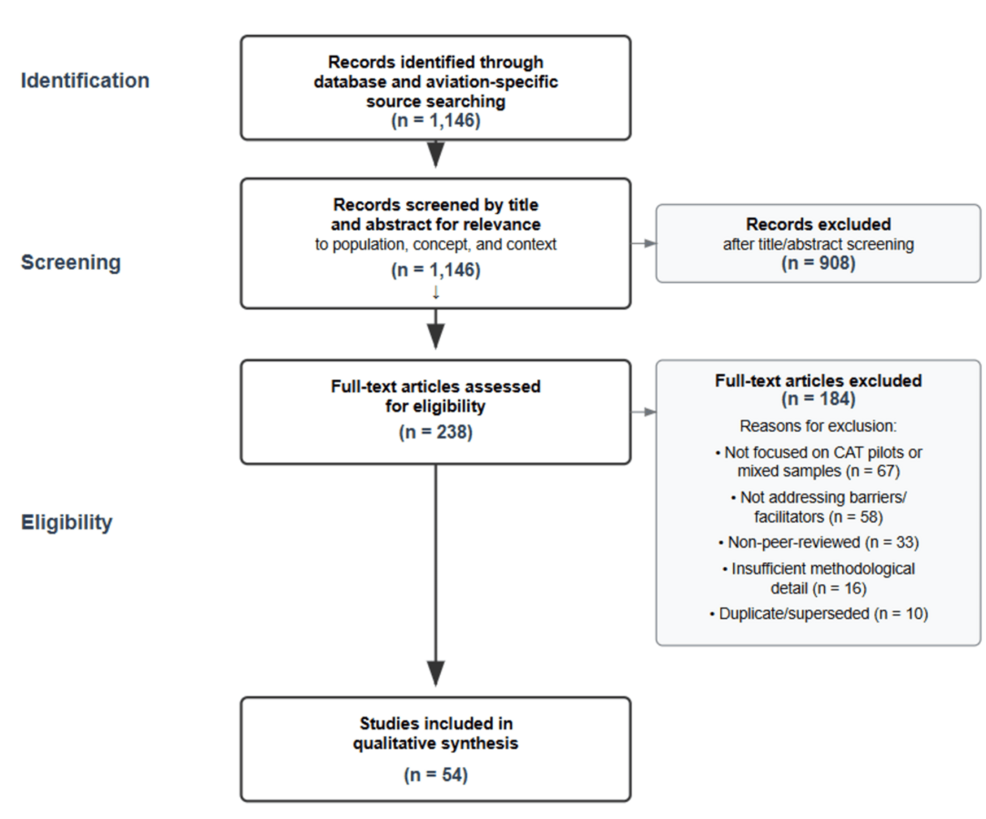
Researchers analyzed 37 studies published between 2003 and 2023, identifying key themes related to barriers and facilitators of mental health support. Primary barriers included stigma, concerns about medical certification (specifically, potential loss of a medical license), lack of confidentiality, limited access to specialized care, and the demanding and unpredictable nature of the pilot lifestyle.One pilot quoted anonymously in a study included in the review stated,”You’re expected to be Superman… admitting you’re struggling is seen as weakness.”
Facilitators identified in the review centered around increased organizational support, confidential reporting systems, peer support programs, and access to telehealth services. The implementation of confidential reporting systems, such as those offered by the FAA’s Aviation Medical Assistance Program (AMAP), was noted as a positive step, though awareness and utilization remain limited. Peer support programs, where pilots can connect with colleagues who have experienced similar challenges, were also highlighted as effective in normalizing help-seeking behavior.
The review emphasizes the need for a multi-faceted approach to address these challenges. Researchers recommend aviation organizations prioritize creating a more supportive and destigmatized culture, enhance access to confidential and specialized mental health services, and invest in training programs for pilots and medical personnel to improve mental health literacy. Further research is needed to evaluate the long-term effectiveness of existing interventions and to develop innovative strategies tailored to the unique needs of airline pilots. The authors conclude that prioritizing pilot mental health is not only ethically imperative but also essential for maintaining the highest standards of aviation safety.
