
MenB Outbreak: UK on Alert – Scotland, Wales & Northern Ireland Updates
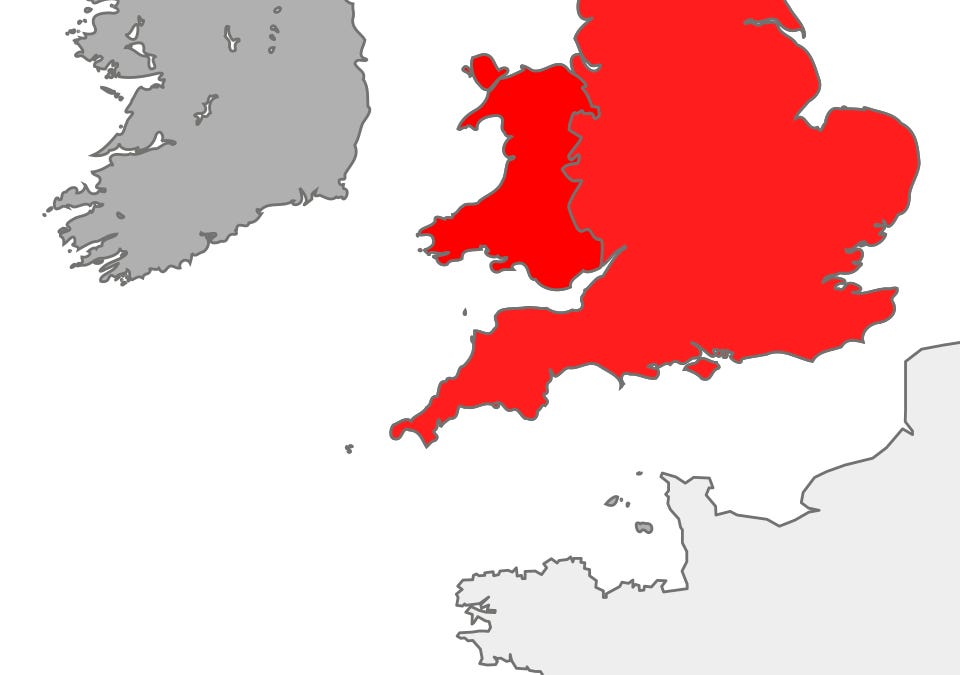
Public health officials across the United Kingdom are maintaining heightened vigilance following an outbreak of meningococcal disease (MenB) centred in Kent, southeast England. Whereas cases remain largely confined to the region, health agencies in Scotland, Wales, and Northern Ireland are actively monitoring the situation and reinforcing preventative measures.
As of Sunday, March 22, 2026, the outbreak in Kent has resulted in 27 confirmed cases, including two fatalities, according to the UK Health Security Agency (UKHSA). The cases have been linked to the MenB strain of the bacteria. A significant cluster of cases has been traced to the University of Kent’s Canterbury campus, prompting a targeted vaccination program for students and staff residing in halls of residence. Approximately 600 vaccinations have been administered at the Canterbury campus to date.
Public Health Scotland (PHS) has confirmed that no cases linked to the Kent outbreak have been identified within Scotland. Dr. Jim McMenamin, Head of Health Protection Infection Services at PHS, emphasized the importance of public awareness regarding the symptoms of meningitis and meningococcal septicaemia. “Meningitis and meningococcal septicaemia can be extremely serious and life threatening if not treated quickly,” Dr. McMenamin stated, outlining symptoms including a sudden high temperature, severe headache, stiff neck, vomiting, diarrhoea, a non-fading rash, confusion, drowsiness, and seizures.
In Wales, Dr. Christopher Johnson, head of the Vaccine Preventable Disease Programme (VPDP) at Public Health Wales, acknowledged the reports of the outbreak in Kent and expressed condolences to those affected. He highlighted that while cases of meningococcal disease in Wales remain relatively low – 18 in 2023 and 19 in 2024 – vaccination remains a crucial preventative measure. The routine NHS immunisation programme in Wales includes vaccines protecting against multiple types of meningococcal bacteria, including types A, B, C, W & Y.
The Public Health Agency (PHA) in Northern Ireland recently investigated a probable case of meningitis in a pupil at a Belfast school but has since ruled out any connection to the Kent outbreak. No further public health actions are deemed necessary at this time.
The UKHSA has expanded vaccination eligibility to include individuals who have already received prophylactic antibiotics as a preventative measure. This expansion encompasses students at the University of Kent and Canterbury Christ Church University, as well as sixth formers at four schools and colleges with confirmed or suspected cases. The agency is also advising anyone who attended Club Chemistry in Canterbury between March 5th and March 15th to seek both antibiotics and vaccination.
Health Secretary Wes Streeting announced a review of the general eligibility criteria for the Meningitis B vaccine, signaling a potential broader response to the outbreak. The UKHSA continues to investigate the outbreak and monitor for any evidence of spread beyond the southeast of England.