
The Power of a Targeted Mediterranean Diet: Predimed-Plus Reveals Notable Diabetes Prevention
A large-scale European study, Predimed-Plus, has demonstrated the significant impact of a hypocaloric (calorie-controlled) Mediterranean diet on preventing type 2 diabetes. Published findings indicate this intensive dietary intervention reduced new diabetes cases by 31% compared to a Mediterranean diet without caloric restriction or specific exercise recommendations. The study, recognized by Nature Medicine in 2023 as one of eleven studies poised to reshape medicine, underscores the potential of lifestyle changes for cardiovascular prevention.
Researchers attribute the success of the hypocaloric Mediterranean diet to the synergistic effects of its constituent foods and nutrients. These elements work through multiple pathways to combat type 2 diabetes, specifically by reducing insulin resistance, inflammation, and oxidative stress. These benefits are further amplified when combined with physical activity and weight loss. Importantly, the study highlights the diet’s palatability, sustainability, and cultural acceptance as key factors in its potential for long-term adherence and, consequently, its effectiveness in preventing heart disease.
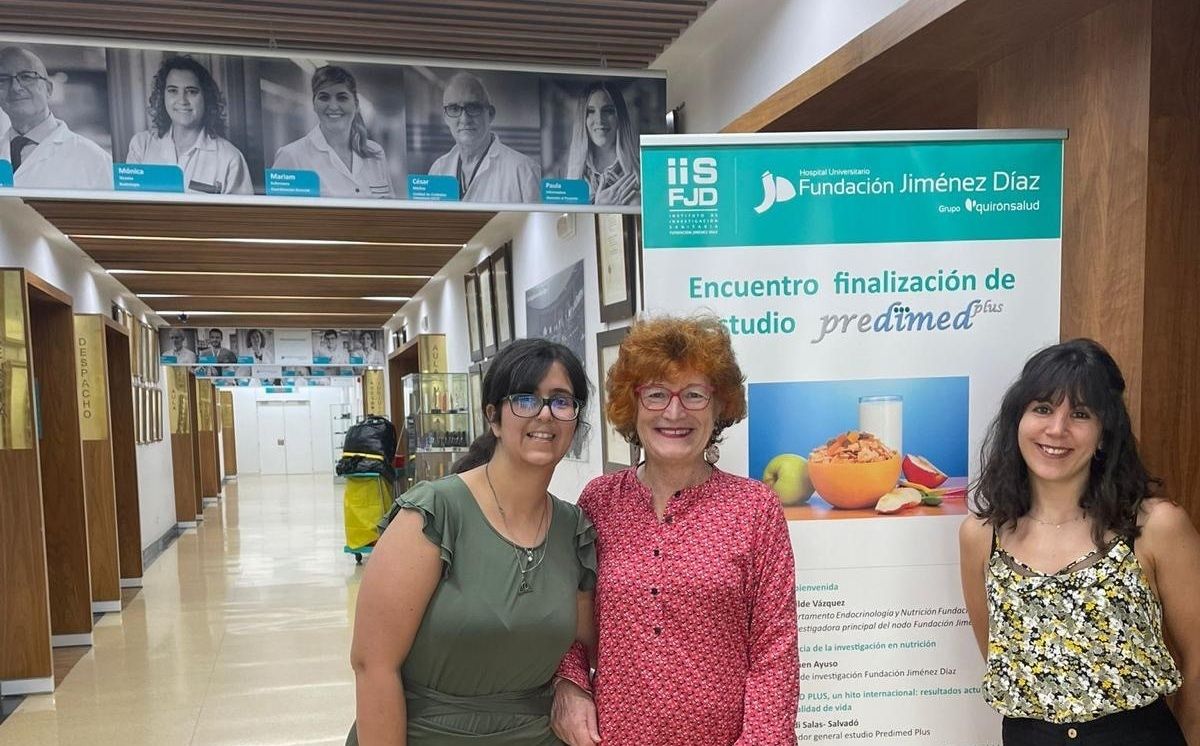
The Predimed-Plus trial, a randomized cardiovascular prevention essay focused on lifestyle modifications, involved a substantial team of professionals across multiple hospitals and research institutions. Led by dr. Clotilde Vázquez, head of the Department of Endocrinology and Nutrition at Quirónsalud hospitals (integrated into Sermas), the research team included doctors Claudia Cause, Leopoldo García, Clara Marijuan, Angela Amengual, Teresa Montoya, Susy Silva, Roberto Sierra, Lucía Prieto, Bogdana Luca, and Sebastian more. Crucially, the study also benefited from the dedicated work of nutritionists Cristina Calderón, Enrique Sanz, Ana Prieto, Mar Alcarria, Ana de Cos, and Miriam Zapatero, alongside numerous other collaborators.
The study’s scope extended beyond individual hospitals, drawing on expertise from CIBER research personnel in areas including Pathophysiology of Obesity and Nutrition (CIBEROBN), Epidemiology and Public Health (CIBRESP), and diabetes and associated metabolic diseases (CIBERDEM). Collaboration also included numerous research groups from universities and institutions across Spain,including the University Rovira I Virgili,University of Navarra,University of Valencia,Autonomous University of Barcelona,Miguel Hernández University,University of Malaga,University of Granada,University of the Balearic Islands,University of Las Palmas de Gran Canaria,University of León,University of Seville,and many others.
The findings from Predimed-Plus reinforce the idea that a carefully managed Mediterranean diet, focused on caloric control, represents a powerful and practical strategy for diabetes prevention and overall cardiovascular health.
