
Mediterranean Diet Boosts Cell Health & Longevity, Study Reveals
The foods we eat may have a far more profound impact on our health than previously understood, extending down to the level of cellular energy production. A new study led by researchers at the USC Leonard Davis School of Gerontology suggests that adherence to a Mediterranean diet is linked to higher levels of key proteins within mitochondria – the powerhouses of cells – potentially offering a biological explanation for the diet’s well-documented health benefits.
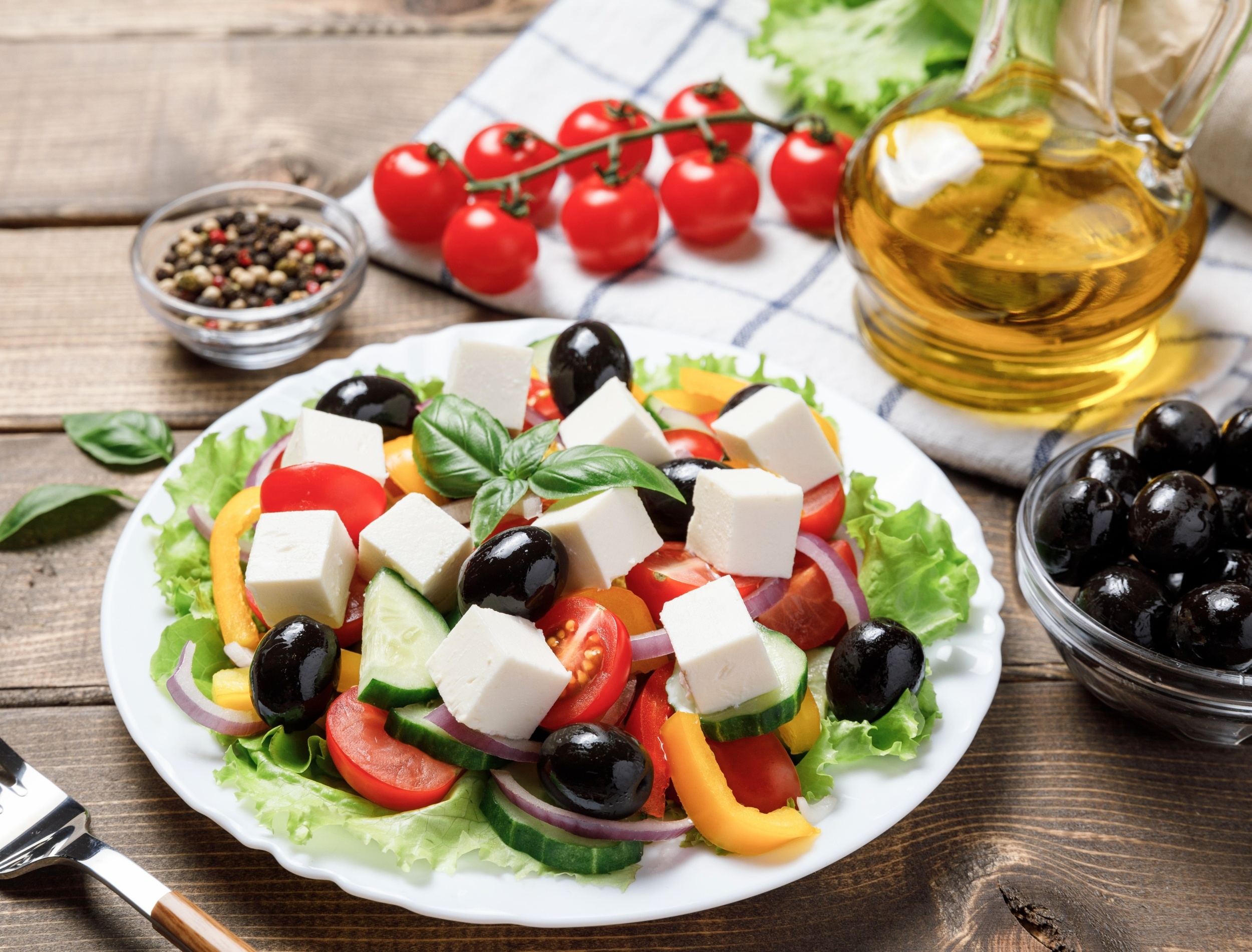
The Mediterranean diet, characterized by a high intake of olive oil, fish, legumes, fruits, and vegetables, has long been associated with reduced risk of cardiovascular disease, diabetes, and cognitive decline. However, the underlying mechanisms driving these benefits have remained elusive. The USC study, published in the journal Frontiers in Nutrition, points to two specific mitochondrial microproteins – humanin and SHMOOSE – as potential mediators of the diet’s protective effects.
Researchers analyzed blood samples from older adults, categorizing participants based on their adherence to a Mediterranean-style diet. Those who most closely followed the diet exhibited significantly elevated levels of both humanin and SHMOOSE, alongside lower markers of oxidative stress, a process that damages cells and contributes to aging and chronic disease. “These microproteins may act as molecular messengers that translate what we eat into how our cells function and age,” explained Roberto Vicinanza, Instructional Associate Professor of Gerontology at USC and lead author of the study.
The study revealed specific dietary components were particularly influential. Olive oil consumption was associated with increased levels of both humanin and SHMOOSE. Fish and legumes were linked to higher humanin levels, although a lower intake of refined carbohydrates correlated with increased SHMOOSE. These findings suggest that the benefits aren’t simply attributable to a general “healthy eating” pattern, but to specific foods and their impact on mitochondrial function.
Humanin has been shown to support heart health and improve the body’s ability to regulate blood sugar. It also exhibits neuroprotective properties, shielding brain cells from damage associated with Alzheimer’s disease. SHMOOSE, similarly, plays a role in brain health, with deficiencies linked to an increased risk of Alzheimer’s. “These peptides are emerging as key regulators of aging biology,” said Pinchas Cohen, Dean of the USC Leonard Davis School of Gerontology and senior author of the study. “They connect mitochondrial function to diseases like Alzheimer’s and heart disease and now, potentially, to nutrition.”
The research also identified a potential cardioprotective mechanism. Higher levels of humanin were associated with reduced activity of Nox2, an enzyme that produces damaging molecules contributing to cellular stress and disease. This suggests the Mediterranean diet may protect the heart by both reducing direct damage and boosting the production of protective microproteins.
Vicinanza has extended his work beyond the laboratory, collaborating with the Municipality of Pollica, Italy – a UNESCO-recognized Mediterranean Diet community – to promote the dietary pattern. This partnership led to the establishment of the International Day of the Mediterranean Diet, observed annually on November 16th at the United Nations, to raise awareness of its health, cultural, and environmental benefits. “We’re connecting centuries-old dietary traditions with cutting-edge molecular biology,” Vicinanza said. “It supports the idea that healthy eating patterns with little to no ultra-processed foods reflect how humans have eaten over long periods and may create conditions to which mitochondria are likely adapted.”
The USC team is now focused on determining whether dietary changes can directly influence microprotein levels and reduce disease risk. “Our goal is to move from observing associations to understanding causality,” Vicinanza stated. “If we can harness these pathways, we may be able to design nutritional strategies that promote healthy aging at the molecular level.”