Medicare 2026 premiums and deductibles vary by plan and income
People with Medicare generally pay out-of-pocket for monthly premiums, deductibles, and cost sharing for Medicare-covered services, with expenses varying significantly depending on whether beneficiaries choose traditional Medicare or a privately administered Medicare Advantage plan.
-
Key Clinical Takeaways:
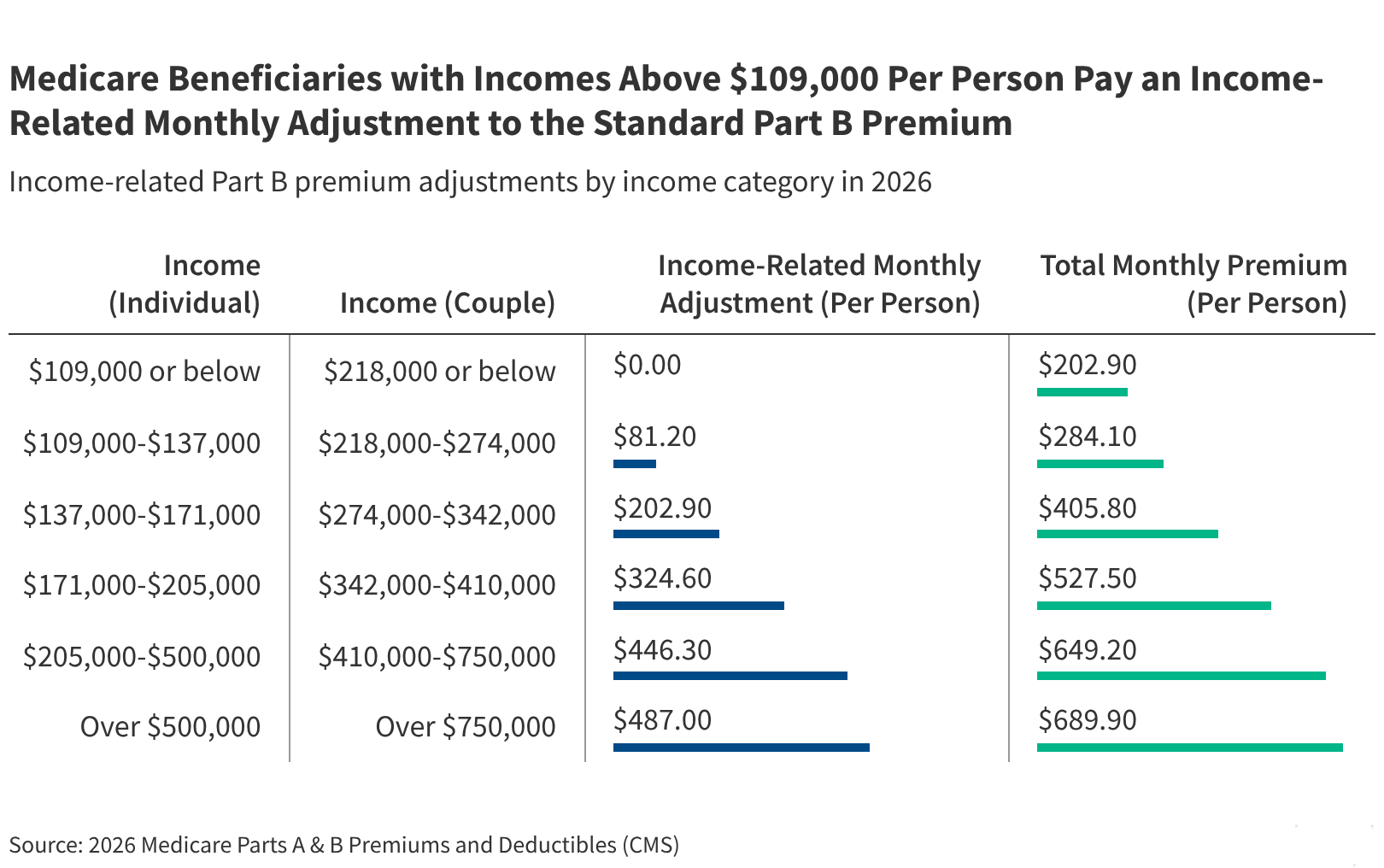
- The standard Medicare Part B premium is $202.90 per month in 2026, with higher income-adjusted rates applying to individuals earning more than $109,000 annually.
- Traditional Medicare features no annual limit on out-of-pocket spending, prompting many beneficiaries to purchase separate Medigap policies.
- Medicare Advantage plans include an annual out-of-pocket cap for in-network services set at $9,250 for 2026, though most enrollees pay no additional plan premium beyond Part B.
Most Beneficiaries Pay No Monthly Part A Premium
More than 70 million individuals aged 65 and older, alongside younger adults with long-term disabilities, receive health insurance coverage through the Medicare program. Medicare Part A—which pays for inpatient hospital stays, short-term nursing facility care, hospice, and certain home health services—requires no monthly premium from most beneficiaries. People generally qualify for premium-free Part A if they or a spouse worked at least 40 quarters (10 years) paying Medicare payroll taxes. For beneficiaries with 30 to 39 quarters of covered employment, the 2026 Part A premium is $311 per month, while those with fewer than 30 quarters pay $565 per month. Beneficiaries who delay enrollment beyond their initial period without qualifying group coverage face a 10% late enrollment penalty applied for twice the duration of the delay.
All beneficiaries must pay a monthly premium for Part B coverage, which encompasses physician visits, outpatient hospital services, preventive care, diagnostic tests, and physician-administered drugs. The standard Part B premium is $202.90 per month in 2026. Individuals with incomes exceeding $109,000—or married couples earning over $218,000—pay income-adjusted surcharges ranging from $284.10 to $689.90 per person per month. Delaying Part B enrollment without alternative coverage incurs a lifetime penalty of 10% for each 12-month period of delay.
Traditional Medicare Sets 2026 Deductibles and Cost Sharing
Within traditional Medicare, Part A inpatient hospital services carry a deductible of $1,736 per benefit period in 2026. Cost sharing begins after the first 60 days of a hospital stay, requiring daily copayments of $434 for days 61 through 90 and $868 for each additional day up to a lifetime reserve cap. For skilled nursing facility care following a qualifying hospital stay, beneficiaries face zero cost sharing for the first 20 days and $217 per day for days 21 through 100. Part B services require an annual deductible of $283 in 2026, alongside a standard 20% coinsurance rate for most outpatient care, though annual wellness visits and specified cancer screenings carry no deductible or coinsurance.
Because traditional Medicare lacks an annual cap on out-of-pocket expenses, financial protection often requires supplemental coverage. Beneficiaries frequently purchase Medigap policies to assist with deductibles and coinsurance. The average premium for current Medigap policyholders reached $217 per month in 2023, with costs varying by age, location, and policy type. Low-income beneficiaries may also receive assistance through state Medicaid programs for both premiums and cost-sharing obligations.
Many Medicare Advantage Enrollees Pay No Monthly Premium
Medicare Advantage plans contract with private insurers to deliver Part A and Part B benefits as an alternative to traditional Medicare. Three-quarters of all Medicare Advantage enrollees with prescription drug coverage pay no additional monthly plan premium beyond the standard Part B obligation. Among plans that include prescription drug coverage, the enrollment-weighted average premium is $15 per month for 2026. Approximately 31% of these enrollees belong to plans utilizing rebate funds to reduce their Part B monthly premium by smaller amounts.
While Medicare Advantage plans must cover all Part A and Part B services, their structural cost-sharing rules differ from traditional Medicare. Plans establish out-of-pocket spending limits, capped at $9,250 for in-network services and $13,900 for all covered services in 2026. Plans frequently incorporate network restrictions, prior authorization mandates, and referral protocols to manage service utilization, contrasting with traditional Medicare’s broader provider access.
Costs Consume over a Third of Social Security Income
Financial strains remain prevalent across the Medicare population, driven by steady increases in premiums and cost-sharing requirements. One in four Medicare beneficiaries lived on incomes below $24,600 per person in 2024. Out-of-pocket spending on premiums and cost-sharing expenses accounted for more than a third, specifically 36%, of the average beneficiary’s Social Security income in 2023. These cumulative expenses create distinct economic challenges for beneficiaries managing high health care needs under complex coverage selections.
Disclaimer: The information provided in this article is for educational and scientific communication purposes only and does not constitute medical advice. Always consult with a qualified healthcare provider regarding any medical condition, diagnosis, or treatment plan.