
Measles Outbreaks Surge in Spain: Risks and Health Warnings
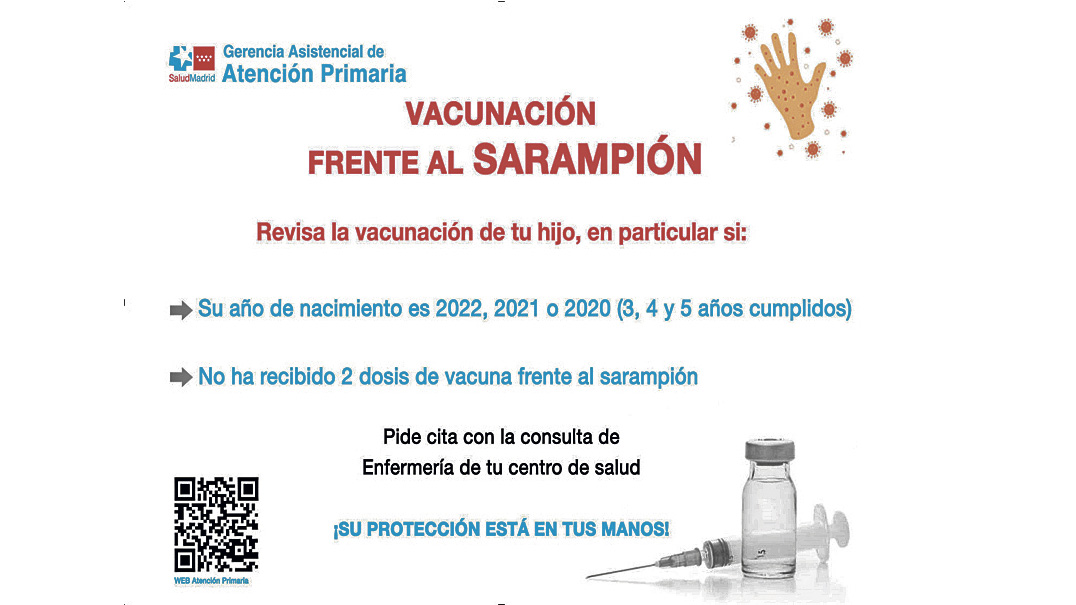
Madrid is witnessing a concerning resurgence of measles, with eight active outbreaks reported across Spain in the first quarter of 2026, marking the highest incidence since the country achieved measles elimination status in 2016. This reversal threatens hard-won public health gains and underscores the fragility of herd immunity when vaccination coverage dips below critical thresholds. The situation is particularly acute in underserved urban neighborhoods where access to routine immunization has been disrupted by post-pandemic healthcare strain and persistent vaccine hesitancy fueled by misinformation.
Key Clinical Takeaways:
- Measles remains one of the most contagious pathogens known, with a basic reproduction number (R0) of 12-18, meaning one infected person can transmit the virus to up to 18 susceptible individuals in an unvaccinated population.
- Subacute sclerosing panencephalitis (SSPE), a rare but invariably fatal neurodegenerative complication of measles, occurs in approximately 1 in 1,000 children infected before age 2, with symptoms emerging 6-15 years post-infection.
- Two doses of the MMR vaccine confer 97% lifelong protection against measles; achieving and sustaining 95% population coverage is essential to prevent community transmission.
The measles virus, a single-stranded RNA virus in the Paramyxoviridae family, initiates infection by binding to the signaling lymphocyte activation molecule (SLAM) receptor on immune cells, enabling systemic spread and immunosuppression that lasts weeks to months. This immunological amnesia increases susceptibility to secondary bacterial infections, contributing significantly to measles-related morbidity. Historical data from the pre-vaccine era indicate measles caused an estimated 2.6 million deaths annually worldwide; widespread vaccination since the 1960s reduced global mortality by 73% between 2000 and 2018 according to WHO and UNICEF joint estimates.
In Spain, the current outbreak is linked to declining MMR coverage in specific regions, with first-dose uptake falling to 89% in parts of Madrid and Andalusia—well below the 95% threshold required for herd immunity. A 2025 seroprevalence study published in Eurosurveillance found that only 82% of adolescents aged 15-19 in Madrid had detectable measles-neutralizing antibodies, highlighting a growing immunity gap. This decline correlates with reduced school-based vaccination visits during 2020-2022 and persistent myths about vaccine safety, despite robust evidence debunking links to autism from large-scale cohort studies involving over 1.2 million children.
The re-emergence of measles in Madrid is not a failure of the vaccine but a failure of delivery. We have the tools to eliminate this disease; what we lack is consistent, equitable access and public trust.
Clinically, measles presents after a 10-14 day incubation period with prodromal fever, cough, coryza, and conjunctivitis, followed by the characteristic maculopapular rash that begins at the hairline and spreads downward. Koplik spots—tiny white lesions on the buccal mucosa—are pathognomonic but transient. Complications include pneumonia (occurring in ~5% of cases), encephalitis (~0.1%), and SSPE, which manifests with progressive cognitive decline, myoclonus, and seizures, invariably leading to death within 1-3 years of diagnosis. There is no antiviral treatment for measles; management is supportive, focusing on fever control, hydration, and treatment of secondary infections.
The MMR vaccine, containing attenuated strains of measles, mumps, and rubella viruses, remains the cornerstone of prevention. Administered at 12 months and again between 3-4 years of age, it elicits both humoral and cellular immunity. A 2023 Cochrane review of 51 studies involving over 10 million children confirmed the vaccine’s safety profile, with serious adverse events occurring at a rate of less than 1 per million doses. Febrile seizures, the most common concern, occur in approximately 1 in 3,000 doses and carry no long-term neurological risk.
Parents must understand that the risk of severe harm from measles infection vastly outweighs any minimal risk from vaccination. One case of encephalitis from measles carries a 15% mortality rate and 25% chance of permanent neurological damage—risks absent with the MMR vaccine.
Public health authorities in Madrid have launched targeted outreach in affected neighborhoods, deploying mobile vaccination units and engaging community leaders to address misinformation. The regional government’s “Misión Inmunización Madrid 2026” initiative aims to restore MMR coverage to 95% by year-end through school-based catch-up campaigns and enhanced tracking of immunization records. Similar efforts in Andalusia, supported by EU health funding, have already increased first-dose uptake from 88% to 92% in six months.
For families uncertain about their vaccination status or seeking guidance on measles prevention, consulting with trusted healthcare providers is critical. Pediatricians and infectious disease specialists can assess individual risk, administer catch-up doses if needed, and provide evidence-based counseling. It is strongly advised to consult with vetted board-certified pediatricians or infectious disease specialists to ensure timely protection. Public health clinics and mobile units operated by accredited community health centers are offering free MMR vaccinations regardless of insurance status.
As global travel resumes and vaccine hesitancy persists in pockets, the threat of measles resurgence remains a tangible challenge to elimination goals. Sustained investment in immunization infrastructure, transparent communication about vaccine safety, and rapid response to emerging outbreaks are essential to prevent further erosion of herd immunity. The measles vaccine is not merely a medical tool—it is a public health safeguard whose value is measured in lives preserved and suffering averted.
*Disclaimer: The information provided in this article is for educational and scientific communication purposes only and does not constitute medical advice. Always consult with a qualified healthcare provider regarding any medical condition, diagnosis, or treatment plan.*