
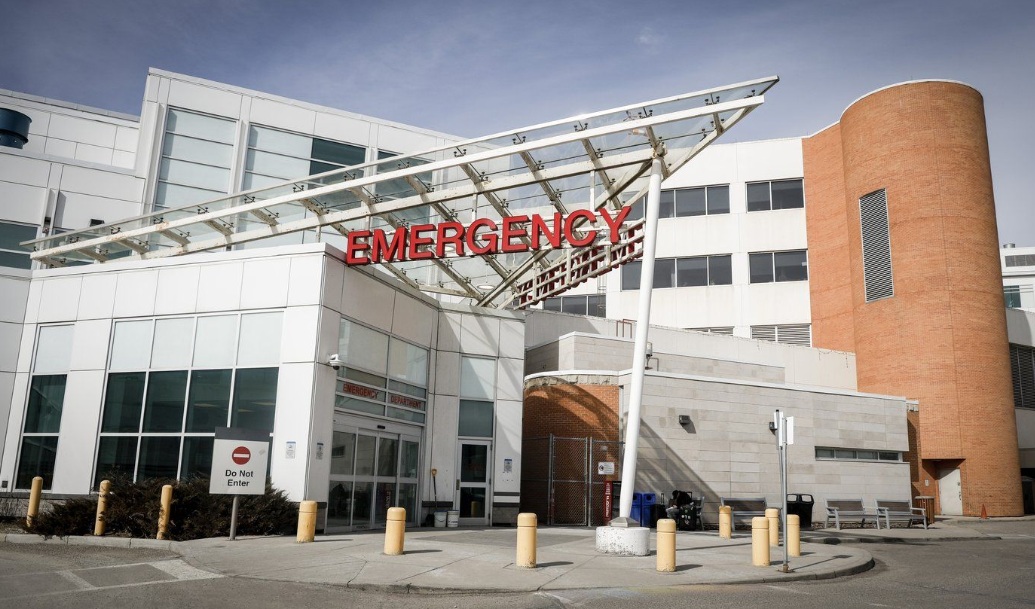
Measles Exposure Alerts Issued for Calgary and Edmonton Hospitals
Alberta’s healthcare infrastructure is currently managing a critical containment effort following confirmed measles exposures at the Rockyview General Hospital in Calgary and the Stollery Children’s Hospital in Edmonton. These incidents underscore a volatile resurgence of a highly contagious viral pathogen within high-traffic clinical environments.
Key Clinical Takeaways:
- High Transmissibility: Measles remains one of the most contagious known pathogens, with a basic reproduction number (R0) often cited between 12 and 18.
- Critical Windows: Exposure alerts are targeting specific timeframes in emergency departments and pediatric wards where airborne transmission is most likely.
- Vaccination Imperative: The primary defense remains the MMR (Measles, Mumps, Rubella) vaccine, which provides lifelong immunity for the vast majority of recipients.
The current situation in Calgary and Edmonton is not merely a localized administrative hurdle; it is a stark illustration of the fragility of herd immunity. When vaccination rates dip below the critical threshold of 95%, the pathogenesis of the measles virus—a morbillivirus—can rapidly exploit gaps in community protection. In a hospital setting, where immunocompromised patients and neonates are concentrated, the risk of morbidity increases exponentially. The viral vector is airborne, meaning the pathogen can linger in a room for up to two hours after an infected individual has departed, bypassing traditional surface-level sanitation protocols.
The Epidemiological Mechanics of Airborne Transmission
To understand the urgency of the Rockyview and Stollery alerts, one must analyze the biological mechanism of the virus. Measles targets the respiratory epithelium and lymphoid tissues, utilizing the CD150 (SLAM) receptor to enter host cells. Once systemic, the virus causes a profound state of “immune amnesia,” depleting memory T-cells and leaving the patient susceptible to secondary opportunistic infections for months or even years after the initial fever and rash subside.
“The resurgence of measles in urban centers is a systemic failure of preventative medicine. We are seeing a direct correlation between vaccine hesitancy and the reappearance of clusters in high-density public spaces, including our own emergency departments,” says Dr. Aris Katz, an epidemiologist specializing in viral containment.
According to the World Health Organization (WHO), the global strategy to eliminate measles relies on the rigorous application of the two-dose MMR schedule. When this standard of care is neglected, the resulting gaps allow the virus to circulate. For those who suspect exposure, the clinical window for post-exposure prophylaxis (PEP) is narrow. Administering the vaccine within 72 hours of exposure, or immunoglobulin within six days for high-risk individuals, can significantly reduce the probability of developing the disease.
For individuals who are unsure of their vaccination status or those who are immunocompromised and cannot receive live vaccines, immediate triage is essential. It is imperative to consult with board-certified infectious disease specialists to determine the appropriate serological testing and prophylactic measures.
Public Health Infrastructure and the Containment Gap
The exposure at the Stollery Children’s Hospital is particularly concerning due to the vulnerability of the pediatric population. In children, the morbidity associated with measles can include severe pneumonia and encephalitis. The containment strategy now relies on retrospective contact tracing—a labor-intensive process of identifying every individual who shared the same airspace as the index case. This process is often hindered by the lack of comprehensive patient registries and the anonymity of transient visitors in emergency rooms.
The funding for these public health surveillance efforts in Canada is primarily driven by provincial health mandates and federal grants from the Public Health Agency of Canada (PHAC). This systemic funding ensures that laboratories can perform rapid PCR (Polymerase Chain Reaction) testing to confirm the viral genome, rather than relying solely on clinical presentation, which can often be mistaken for other febrile rash illnesses in the early stages.
Navigating the legal and regulatory complexities of hospital-acquired exposures often requires specialized guidance. Healthcare facilities are currently auditing their intake protocols to prevent future breaches and many are retaining healthcare compliance attorneys to ensure that notification protocols meet provincial health standards and avoid liability associated with negligence in patient screening.
Clinical Triage and Diagnostic Protocols
The standard of care for suspected measles involves strict isolation in negative-pressure rooms to prevent further aerosolization. Diagnostics typically begin with a nasal or throat swab for PCR testing, as the virus is most detectable in the respiratory tract during the prodromal phase. Serological testing for IgM antibodies is used as a secondary confirmation, though this is subject to a window period before antibodies develop into detectable.
“We must move away from a reactive posture. The goal is not just to manage the current exposure at Rockyview, but to implement a proactive screening layer at the point of entry for all acute care facilities,” notes Dr. Sarah Jenkins, a lead researcher in viral pathology.
For those experiencing the classic “three Cs”—cough, coryza (runny nose), and conjunctivitis—followed by the characteristic Koplik spots and maculopapular rash, immediate isolation is mandatory. Because measles can be confused with other viral exanthems, patients should seek diagnostic clarity from accredited diagnostic centers capable of performing high-sensitivity molecular assays.
The data published in PubMed regarding recent measles outbreaks globally indicates that the “vaccine-gap” is most prominent in young adults who missed their second dose in the late 1990s or early 2000s. This demographic often believes they are protected by a single dose, unaware that the second dose is critical for achieving the 97% efficacy rate required for community immunity.
The Trajectory of Viral Containment
The current alerts in Calgary and Edmonton serve as a clinical wake-up call. The trajectory of measles containment depends entirely on the speed of public response and the willingness of the population to adhere to evidence-based immunization. As we move toward more integrated digital health records, the ability to identify unvaccinated individuals in real-time during a hospital visit will be the only way to truly mitigate these risks.
The path forward requires a dual approach: aggressive community vaccination and the fortification of hospital triage systems. To ensure your family’s protection or to verify your immunity through titer testing, we recommend connecting with vetted primary care physicians who can review your immunization history and provide the necessary boosters.
Disclaimer: The information provided in this article is for educational and scientific communication purposes only and does not constitute medical advice. Always consult with a qualified healthcare provider regarding any medical condition, diagnosis, or treatment plan.