
Measles Breakthrough: Vaccines Still Key, But New Drugs Could Save Unvaccinated Patients
Measles, a highly contagious viral disease caused by the morbillivirus, currently lacks a specific antiviral treatment, leaving clinical management largely restricted to supportive care and post-exposure prophylaxis. While the live-attenuated MMR vaccine remains the global standard of care for prevention, researchers are intensifying efforts to develop direct-acting antivirals for individuals who remain unvaccinated or immunocompromised, according to a recent report published in the journal Science.
Key Clinical Takeaways:
- There is currently no FDA-approved antiviral medication to treat active measles infections; management is limited to supportive care and symptom mitigation.
- Researchers are investigating small-molecule inhibitors that target the viral polymerase complex to block replication, focusing on patients ineligible for or unresponsive to vaccination.
- Public health authorities emphasize that vaccination remains the only effective strategy to prevent morbidity and potential long-term neurological complications like subacute sclerosing panencephalitis (SSPE).
The Pathogenesis of Measles and the Therapeutic Gap
The measles virus utilizes a sophisticated entry mechanism, binding to the nectin-4 receptor on host cells to initiate fusion. Once inside, the virus hijacks the cellular machinery to replicate its negative-sense RNA genome. Because the virus causes systemic immunosuppression, patients are highly susceptible to secondary bacterial pneumonia and encephalitis, which drive the disease’s mortality rate. In the absence of targeted pharmacological agents, clinicians must rely on vitamin A supplementation—as recommended by the World Health Organization—to reduce mortality in pediatric populations.

For patients or families navigating the risks of exposure, particularly in immunocompromised settings, early intervention is critical. Managing the potential for secondary complications requires close coordination with board-certified infectious disease specialists who can monitor for signs of systemic distress and optimize supportive care protocols.
Experimental Antivirals: Targeting the Replication Complex
Emerging research is shifting toward inhibiting the viral polymerase—the engine of measles replication. A study published in Nature Communications, supported by grants from the National Institutes of Health (NIH), has identified potential small molecules capable of binding to the viral nucleoprotein and preventing the formation of the replication complex. Unlike traditional vaccines that prime the adaptive immune system, these experimental therapeutics aim to halt the viral cycle once infection has already occurred.
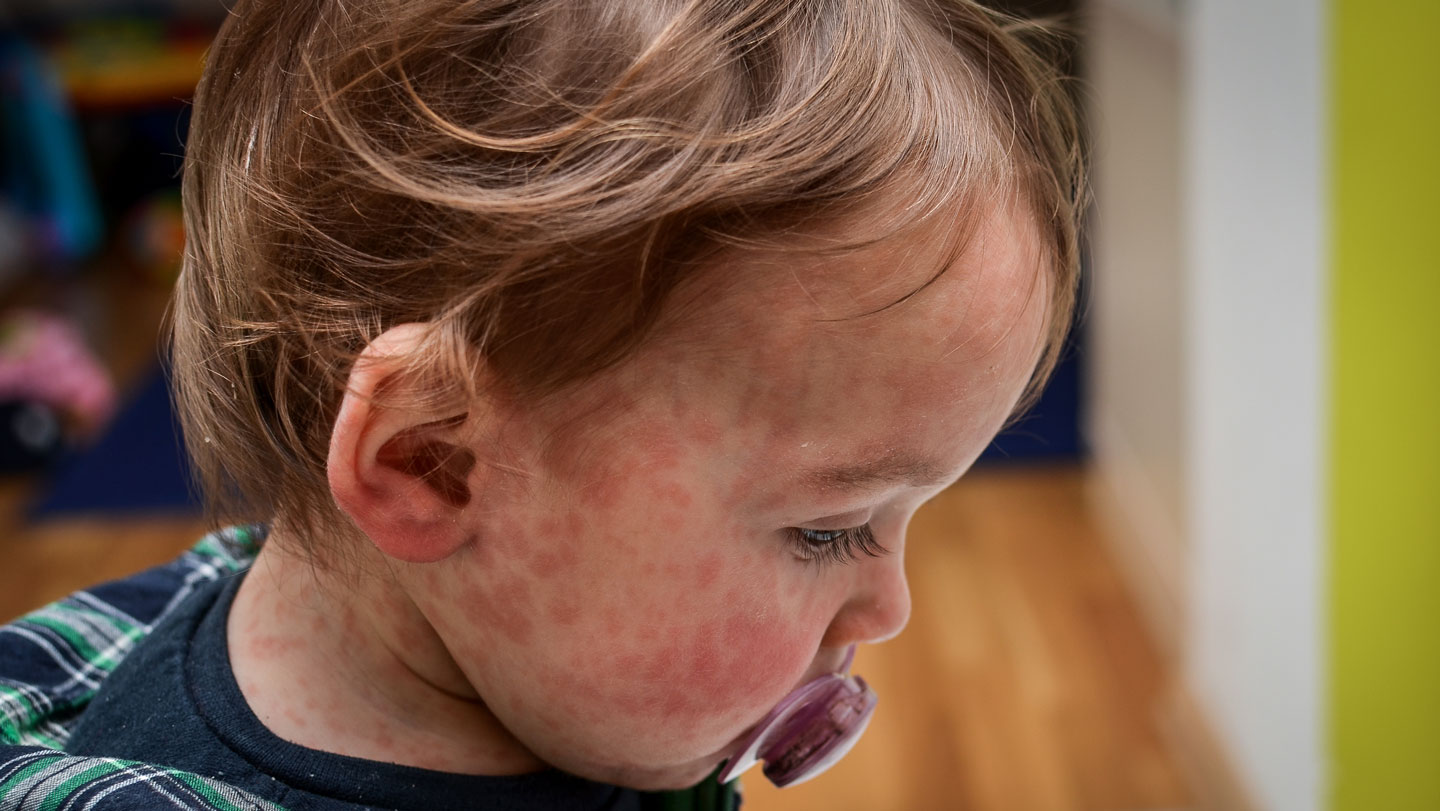
“The challenge with measles is the speed of viral dissemination prior to the onset of the maculopapular rash. By the time clinical symptoms manifest, the viral load is often already peaking, necessitating potent, rapid-acting antivirals that can cross the blood-brain barrier to prevent neurological sequelae,” says Dr. Elena Rossi, a lead researcher in viral pathogenesis at the Institute for Global Health.
The development of these drugs is currently in preclinical and early-stage experimental phases. While promising, these compounds have yet to undergo the rigorous, double-blind, placebo-controlled trials required for regulatory approval. For clinical practices and research facilities attempting to stay ahead of evolving viral threats, maintaining compliance with emerging pharmacological safety standards is essential. Facilities may benefit from consulting with healthcare compliance attorneys to ensure that experimental protocols align with current federal and international clinical trial regulations.
Comparative Analysis of Measles Management Strategies
The following table outlines the current clinical approach versus the theoretical future state of measles treatment.

| Strategy | Mechanism | Clinical Status | Primary Objective |
|---|---|---|---|
| MMR Vaccination | Adaptive immune priming | Standard of Care | Prevention of infection |
| Supportive Care | Fluid/Nutrient management | Standard of Care | Symptom mitigation |
| Small-Molecule Inhibitors | Polymerase suppression | Preclinical/Experimental | Viral load reduction |
Addressing the Clinical Bottleneck
The absence of a curative antiviral drug creates a significant vulnerability in public health, particularly in regions experiencing vaccine hesitancy or supply chain disruptions. According to the Centers for Disease Control and Prevention (CDC), measles outbreaks continue to occur globally, driven by gaps in herd immunity. The lack of a therapeutic option means that even in well-resourced medical systems, the burden of care remains high, with many patients requiring hospitalization to manage dehydration and respiratory distress.
As research into these novel antivirals progresses, the focus remains on identifying molecules that demonstrate high selectivity for viral targets with minimal host cell toxicity. Patients requiring diagnostic clarity or those with suspected exposure should prioritize engagement with diagnostic facilities that utilize rapid molecular testing, such as those found through our directory of accredited diagnostic centers, to expedite clinical decision-making.
Future Trajectory of Measles Therapeutics
The shift toward direct-acting antivirals represents a necessary evolution in infectious disease management, acknowledging that vaccine coverage, while essential, may not always reach 100% of the population. As these compounds move toward clinical validation, the medical community will need to establish clear guidelines for their use, particularly regarding timing—as antivirals are most effective when administered during the prodromal phase of the illness. Continued funding from government and private foundations remains vital to bridging the gap between bench-top discovery and clinical availability. As the landscape shifts, clinicians must remain vigilant, leveraging the most current peer-reviewed evidence to protect vulnerable patients.
Disclaimer: The information provided in this article is for educational and scientific communication purposes only and does not constitute medical advice. Always consult with a qualified healthcare provider regarding any medical condition, diagnosis, or treatment plan.