
This article discusses a groundbreaking study by McGill University researchers, led by Professor Dennis Jensen, that utilizes artificial intelligence (AI) to detect early signs of systemic inflammation, a precursor to many illnesses.
Here’s a breakdown of the key points:
The Problem: Systemic inflammation, an early immune response, can lead to serious health issues, especially for those with pre-existing conditions. by the time symptoms appear, it’s often “too late” to intervene effectively.
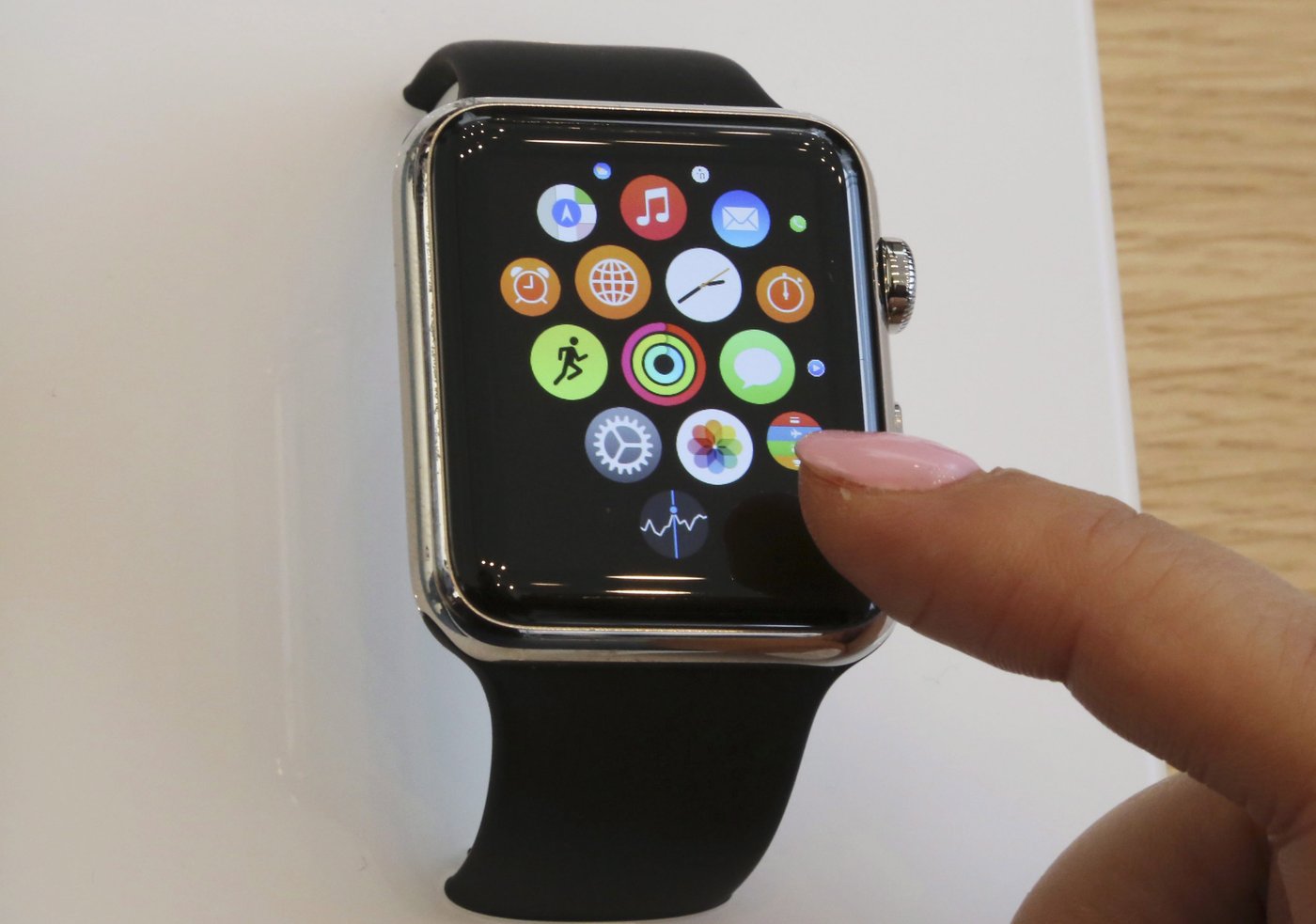
The solution: The researchers developed an AI model that analyzes biometric data from wearable devices (smart rings, watches, clothing) to predict acute systemic inflammation. this approach focuses on physiological changes rather than subjective symptoms.
The Technology: The AI model uses data such as heart rate, heart rate variability, body temperature, respiratory rate, arterial pressure, physical activity, and sleep quality.
The Study:
55 healthy adults were given an attenuated influenza vaccine to simulate an infection.
Participants wore wearable devices continuously for the study duration. Researchers collected extensive physiological data, blood samples for inflammation biomarkers, PCR tests for pathogens, and symptom reports via a mobile app.
Over two billion data points were collected.
The AI Model:
Ten different AI models were developed.
The most practical model, using the least data, was selected.
This model achieved nearly 90% accuracy in detecting real positive cases.
It was found that individual physiological measures were not sensitive enough; the AI’s strength lies in analyzing multimodal (multiple) data.
Key Findings:
the AI can detect subtle physiological changes that indicate inflammation.
Remarkably, the algorithms also detected systemic inflammation in four participants infected with SARS-COV-2, predicting the immune response up to 72 hours before symptoms or PCR confirmation.
The Goal: The ultimate aim is to create a system that alerts individuals to potential inflammation, enabling them to consult their healthcare providers early.This aligns with the medical principle of “hasty screening” – the earlier a problem is addressed, the better the outcome.
Potential Benefits: This technology could lead to earlier diagnosis and treatment, perhaps reducing healthcare costs by avoiding complications and hospitalizations.
In essence, the study demonstrates the potential of AI and wearable technology to shift healthcare from reactive treatment of symptoms to proactive detection and management of underlying physiological changes, ultimately improving patient outcomes.
