
Maura María Márquez Junco: Balancing Science and Humanity in Orthodontics
A child’s smile is often viewed through a lens of innocence, yet for a pediatric dental surgeon, We see a complex clinical map. When that map is distorted by malocclusion or congenital anomalies, the impact extends far beyond aesthetics, affecting speech, nutrition, and psychosocial development.
Key Clinical Takeaways:
- Early interceptive orthodontics can mitigate severe skeletal discrepancies before they require invasive surgical correction in adulthood.
- The integration of “humanized medicine” in pediatric settings significantly reduces dental anxiety and improves long-term patient compliance.
- Specialized pediatric institutes provide a critical infrastructure for treating complex craniofacial cases that general practices are often unequipped to handle.
The clinical challenge in pediatric orthodontics is not merely the alignment of teeth, but the management of growth. The pathogenesis of malocclusion—ranging from crowded arches to severe skeletal Class II or III discrepancies—often requires a delicate balance of biological timing and mechanical precision. For practitioners like Maura María Márquez Junco, a dental surgeon within the Orthodontics service, the role transcends technical application. Her work represents the essential equilibrium between rigorous science and the humanity required to treat vulnerable pediatric populations.
The Clinical Imperative of Interceptive Orthodontics
In the realm of pediatric health, the window for interceptive orthodontics is narrow. Addressing dental anomalies during the transition from primary to permanent dentition allows clinicians to guide jaw growth and create space, potentially avoiding the morbidity associated with premature tooth extraction or orthognathic surgery later in life. The standard of care now emphasizes early screening to identify functional shifts or crossbites that could lead to permanent skeletal asymmetry.
According to clinical guidelines indexed in PubMed, early intervention in pediatric patients can significantly reduce the psychological burden associated with dental deformities. When a child’s oral anatomy hinders their ability to articulate sounds or chew efficiently, the resulting nutritional gaps and social withdrawal can create a cascade of developmental delays. This is where the specialized environment of an institution like the INSN becomes indispensable, providing a multidisciplinary approach that combines surgical expertise with long-term orthodontic monitoring.
“The goal of pediatric orthodontics is not simply a straight smile, but the optimization of the stomatognathic system. When we treat a child, we are treating their future quality of life, ensuring that their physical development does not become a barrier to their social integration.” — Dr. Elena Rossi, Senior Researcher in Pediatric Craniofacial Development.
For parents navigating these complexities, the search for specialized care is often urgent. Ensuring that a child is seen by a professional who understands the nuances of growth modulation is critical. It is highly recommended to consult with vetted board-certified pediatric dentists to establish a baseline growth chart and determine the optimal timing for orthodontic intervention.
Bridging the Gap Between Clinical Precision and Patient Empathy
The technical side of orthodontics involves cephalometric analysis and the application of biomechanical forces to move teeth through alveolar bone. However, the clinical success of these treatments depends heavily on patient adherence. In children, adherence is not a matter of will, but of trust. The “humanity” referenced in the work of Dr. Márquez Junco is a clinical tool in itself; by reducing the cortisol levels associated with dental phobia, providers can execute more precise treatments with fewer complications.
This patient-centric model is often supported by broader public health initiatives. Many of these specialized pediatric services are funded through national health mandates and international grants aimed at reducing childhood disability. By centralizing these resources, health systems can ensure that low-income families have access to the same level of evidence-based care as those in private practice, effectively democratizing oral health.
The infrastructure required to maintain such a high standard of care is immense. From the procurement of biocompatible orthodontic materials to the maintenance of sterile surgical environments, the operational burden is significant. Hospitals and clinics frequently engage healthcare compliance attorneys to ensure that their pediatric protocols meet the stringent safety and ethical guidelines set by international health bodies like the World Health Organization (WHO).
Psychosocial Morbidity and the Restorative Power of the Smile
The impact of corrective dental surgery is perhaps most visible in the patient’s psychological profile. Dental anomalies are frequently linked to higher rates of childhood anxiety and lower self-esteem. When a surgeon “returns a smile,” they are performing a psychosocial intervention as much as a physical one. The restoration of oral function and aesthetics can lead to a measurable increase in a child’s confidence and social engagement.
This holistic approach—treating the patient rather than the pathology—is the hallmark of elite pediatric care. It requires a practitioner to be as skilled in communication and empathy as they are in clinical orthodontics. The ability to translate a complex treatment plan into a narrative that a child can understand and accept is what separates a technician from a healer.
For healthcare administrators looking to implement similar humanized care models, the integration of patient-experience metrics into clinical outcomes is essential. Many facilities are now partnering with healthcare management consultants to redesign the pediatric patient journey, minimizing trauma and maximizing the therapeutic alliance between the provider and the family.
The Future Trajectory of Pediatric Oral Reconstruction
As we move further into 2026, the field of pediatric orthodontics is being reshaped by digital dentistry and 3D bioprinting. The ability to simulate jaw growth via AI-driven predictive modeling allows surgeons to plan interventions with unprecedented accuracy. However, these technological leaps only enhance the need for the human element. The more automated the diagnosis becomes, the more critical the empathetic delivery of care remains.
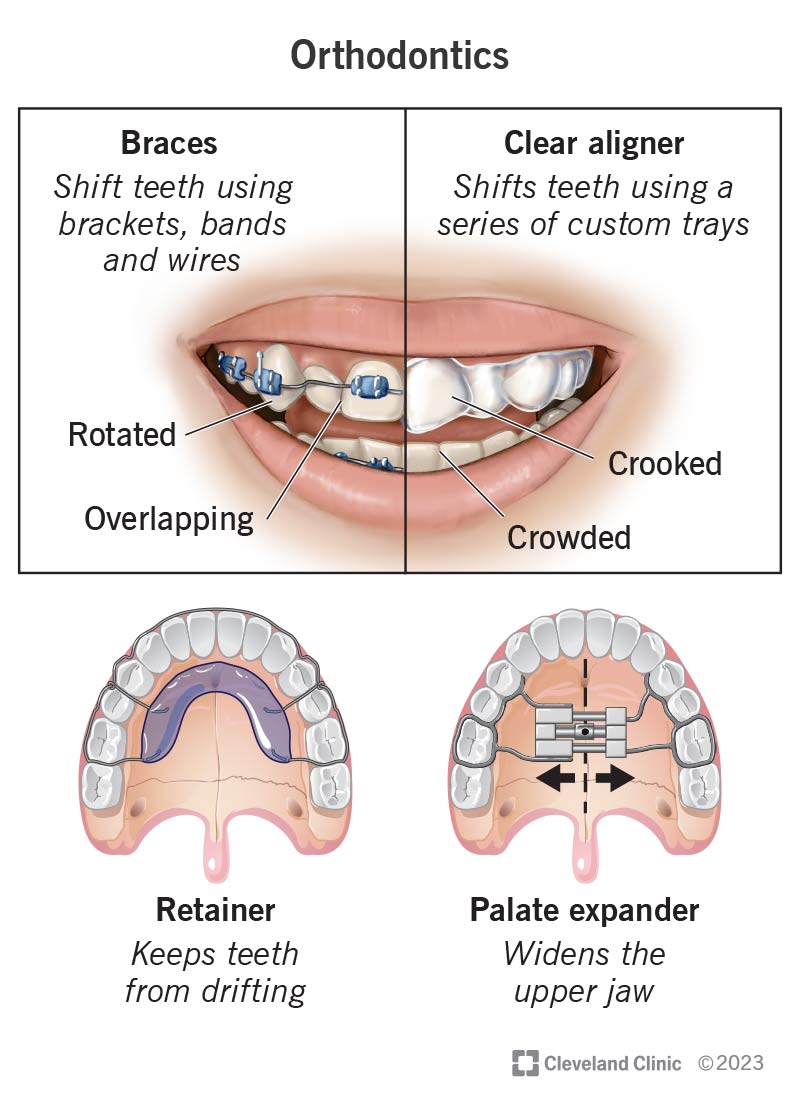
The work being done at institutions like the INSN serves as a blueprint for the future of pediatric medicine: a synthesis of cutting-edge science and unwavering compassion. The trajectory of the field is moving toward personalized, precision orthodontics that account for the genetic, environmental, and emotional profile of every child.
Finding the right provider is the first step in this journey. Whether seeking a primary consultation or a complex surgical correction, families should utilize verified directories to find specialists who prioritize both clinical excellence and the emotional well-being of the child. By connecting with a vetted specialist orthodontist, parents can ensure their children receive care that is as compassionate as it is scientifically rigorous.
Disclaimer: The information provided in this article is for educational and scientific communication purposes only and does not constitute medical advice. Always consult with a qualified healthcare provider regarding any medical condition, diagnosis, or treatment plan.