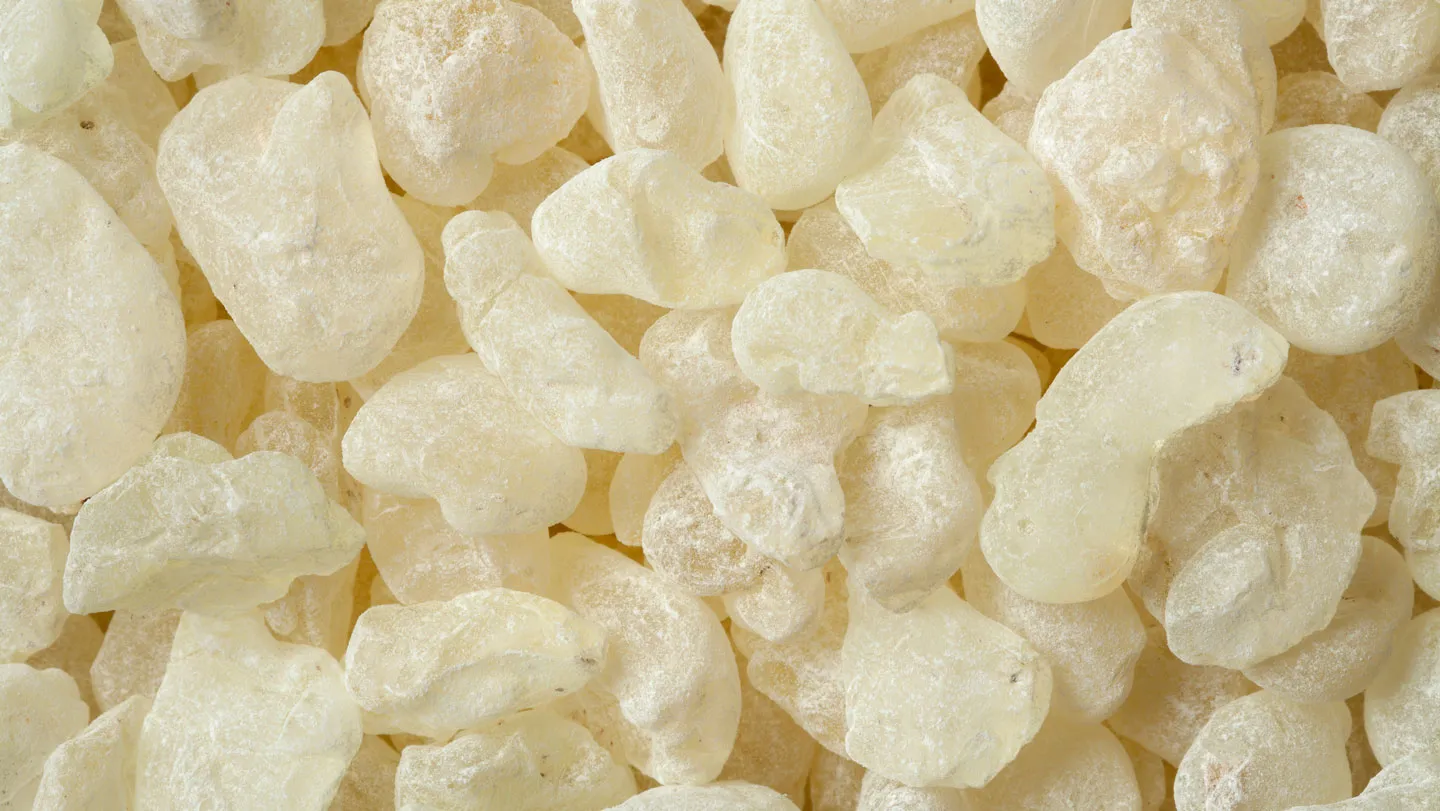
Mastic Gum Benefits for Oral and Gut Health
Clinical evidence confirms that mastic gum, a resin derived from the Pistacia lentiscus tree, cannot physiologically reshape the human jaw or induce permanent skeletal remodeling. While social media trends suggest that prolonged mastication of the resin increases masseter muscle hypertrophy to create a defined “jawline,” current medical literature finds no evidence that chewing gum can alter the underlying bone structure or facial morphology of an adult.
Key Clinical Takeaways:
- Mastic gum possesses documented antimicrobial and anti-inflammatory properties, but it lacks the mechanical capacity to alter skeletal bone density or facial shape.
- The masseter muscle may experience temporary fatigue or hypertrophy from excessive chewing, but such changes are transient and carry risks of temporomandibular joint (TMJ) dysfunction.
- Patients seeking facial aesthetic modifications should prioritize consultations with board-certified oral and maxillofacial surgeons rather than relying on non-clinical mastication trends.
The Biological Limits of Mastication
The human mandible and maxilla reach skeletal maturity following puberty, at which point the osteogenic capacity for significant shape alteration is essentially complete. According to a review published in the Journal of Oral Rehabilitation, repetitive masticatory loading—such as the constant chewing of dense resin—primarily affects the neuromuscular system rather than the osseous structures of the skull. While the masseter muscles may show minor increases in cross-sectional volume due to constant recruitment, this does not equate to the skeletal “remodeling” promised by proponents of “mastic gum training.”
“The mechanical stress applied through chewing is insufficient to trigger cortical bone remodeling in an adult human. Attempting to force such changes through excessive resistance exercises often leads to myofascial pain or internal derangement of the temporomandibular joint,” states Dr. Aris Thorne, a specialist in dental biomechanics.
Pathogenesis of Temporomandibular Disorders
Engaging in high-resistance chewing protocols poses a documented risk for temporomandibular disorders (TMD). The constant, forceful contraction of the masseter and temporalis muscles can lead to chronic hypertonicity, bruxism, and inflammation of the synovial lining within the TMJ. Clinical data indicates that patients who habitually chew dense materials often present with symptoms including clicking, locking, and localized arthralgia.

For individuals currently experiencing jaw pain or restricted range of motion resulting from such practices, professional intervention is necessary to prevent chronic morbidity. It is advisable to consult with specialized dental practitioners who can assess the integrity of the articular disc and the muscular health of the masticatory system. Early identification of myofascial pain patterns is critical to preventing the progression of long-term joint degradation.
Comparative Analysis of Mastic Gum Research
While the aesthetic claims regarding jaw reshaping remain scientifically unsupported, mastic gum does hold a legitimate role in clinical medicine. Research funded by the National Institutes of Health (NIH) has examined the resin’s efficacy in managing gastrointestinal health and oral hygiene. The following table contrasts the verified clinical uses of mastic gum against the popular, unverified aesthetic claims.
| Clinical Category | Verified Medical Utility | Aesthetic Claim (Unverified) |
|---|---|---|
| Gastrointestinal | Inhibits H. pylori colonization | None |
| Oral Health | Reduces dental plaque and gingivitis | Jawline expansion/remodeling |
| Musculoskeletal | None | Hypertrophy of masseter muscles |
| Safety Profile | Generally recognized as safe (GRAS) | High risk of TMJ dysfunction |
Managing Aesthetic Expectations
The pursuit of facial contouring through non-medical means often reflects a misunderstanding of craniofacial anatomy. Medical consensus maintains that facial shape is determined by a combination of genetics, subcutaneous fat distribution, and the underlying skeletal framework. Procedures that alter these variables are strictly within the domain of clinical surgery. Patients concerned with facial aesthetics should seek guidance from board-certified plastic surgeons who utilize validated imaging techniques to discuss realistic outcomes.
Furthermore, those who have developed chronic jaw pain from following unregulated online health trends should seek a comprehensive clinical evaluation. Unresolved inflammation in the jaw can lead to long-term structural morbidity that may eventually require complex restorative treatment. The transition from self-directed experimentation to evidence-based care is the most effective approach to ensuring oral and musculoskeletal health.
As research into natural resins continues, the distinction between pharmacological benefits and mechanical impossibilities remains a cornerstone of responsible science communication. Future studies will likely continue to explore the antimicrobial potential of Pistacia lentiscus, yet the anatomical limitations of the adult jaw remain fixed. Patients are encouraged to rely on peer-reviewed data and professional medical oversight when evaluating the risks and potential benefits of any health-related substance.
Disclaimer: The information provided in this article is for educational and scientific communication purposes only and does not constitute medical advice. Always consult with a qualified healthcare provider regarding any medical condition, diagnosis, or treatment plan.