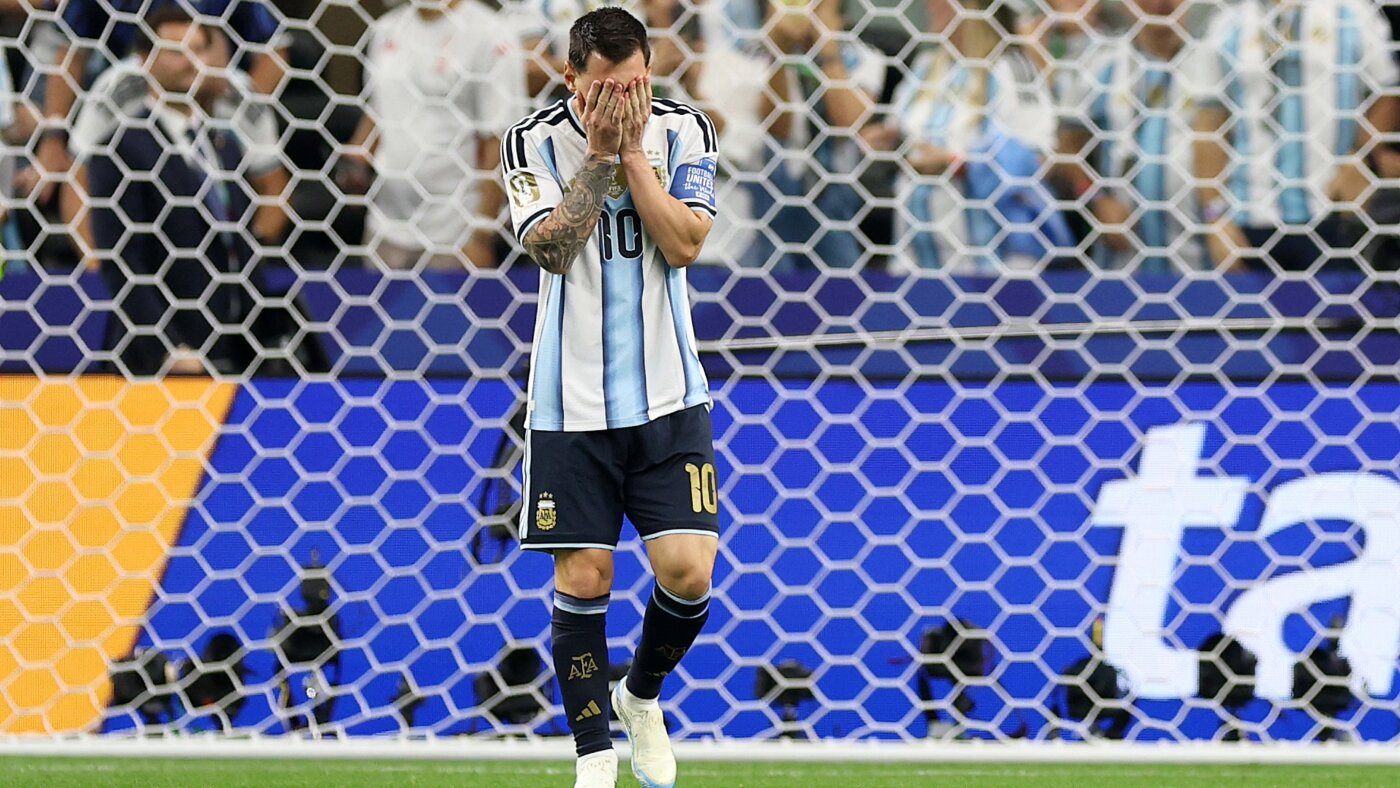
Mastering the World Cup Penalty Shootout: Strategy, Psychology and Pressure
Penalty shootouts in international football are decided by game theory and psychological pressure, where the team kicking first holds a statistically significant advantage. According to data analyzed by NPR’s Planet Money and WIRED, the pressure of the “inhumane” environment creates a tactical battle between goalkeeper anticipation and kicker unpredictability, often determining World Cup progression.
As the international calendar shifts toward the high-stakes knockout stages of major tournaments, the penalty spot has evolved from a lottery into a data-driven classroom. The problem is no longer just physical execution, but the mental collapse caused by the “zero-sum” nature of the shootout. While elite athletes utilize sports psychologists to manage this stress, amateur players and youth academies facing similar high-pressure scenarios often require the guidance of professionals to develop the mental fortitude necessary for competitive success.
Why does the team kicking first win more often?
The sequence of a shootout creates a compounding psychological burden. According to WIRED, the team that kicks first is more likely to win because they dictate the pressure for every subsequent kick. When the first team scores, the second team enters their attempt knowing exactly what is required to stay level. However, if the first team misses, the second team gains an immediate tactical advantage, knowing a successful strike puts them in the lead.

This “pressure gap” is exacerbated by the crowd and the stakes. AP News describes the atmosphere as “inhumane,” where the isolation of the kicker against the goalkeeper creates a psychological vacuum. The data suggests that the ability to maintain a “game-state” advantage—knowing you are ahead—reduces the likelihood of a mechanical breakdown during the strike.
How does game theory dictate the direction of the ball?
Penalty shootouts function as a classic “Nash Equilibrium” problem. According to NPR’s Planet Money, both the kicker and the goalkeeper are attempting to guess the other’s move. If a kicker always shoots to the left, the keeper will always dive left. To maximize the probability of scoring, kickers must randomize their direction to remain unpredictable.

Tactical breakdowns show that most players gravitate toward their natural strong side, but elite performers use “mixed strategies.” By diversifying their target areas based on the goalkeeper’s historical tendencies, kickers can force the keeper into a guessing game. The “classroom” approach mentioned by Reuters involves studying data to identify if a goalkeeper has a bias toward diving in a specific direction during high-leverage moments.
What is the physical and mental toll of the “inhumane” pressure?
The physical manifestation of this pressure is often seen in “shaky” legs or a rushed approach, which alters the ball’s trajectory. The Athletic notes that the brutality of the shootout lies in the fact that a single mistake can negate 120 minutes of tactical discipline and physical exertion.

This level of stress can lead to acute performance anxiety. In the professional sphere, this is managed with mental conditioning. For regional athletes or those in semi-professional leagues, the lack of such infrastructure can lead to mental blocks. This creates a demand for coaches who can implement the same cognitive behavioral techniques used by World Cup squads to help athletes recover from high-profile failures.
How are teams evolving their shootout strategies?
The modern approach moves away from “instinct” and toward rigorous data sets. According to Reuters, the penalty spot has become a classroom where players study the “tell” of a goalkeeper’s hips or the angle of their feet. This analytical shift has turned the shootout into a battle of information asymmetry.

The financial implications of these wins are massive. A single successful shootout can secure prize money for a national federation and trigger bonuses for players. As teams prepare for these moments, the logistical need for recovery and accommodations grows.
The trajectory of the penalty shootout is moving toward total quantification. As tracking technology improves, the “guessing game” will likely be replaced by a calculated risk-assessment model. For the athletes, the challenge remains the same: executing a mechanical task while the world watches.
Disclaimer: The insights provided in this article are for informational and entertainment purposes only and do not constitute medical advice or sports betting recommendations.