
North Atlantic Ocean Current System Shows Signs of Imminent Instability, Study Finds
LONDON – A crucial system of ocean currents in the North Atlantic is exhibiting worrying signs of instability, potentially nearing a tipping point with important climate implications, according to new research published this week. The study, which analyzed 25 datasets spanning the last 150 years, reveals two distinct periods of instability within the North Atlantic subpolar gyre – one in the early 20th century and a more recent, ongoing event linked to global warming.
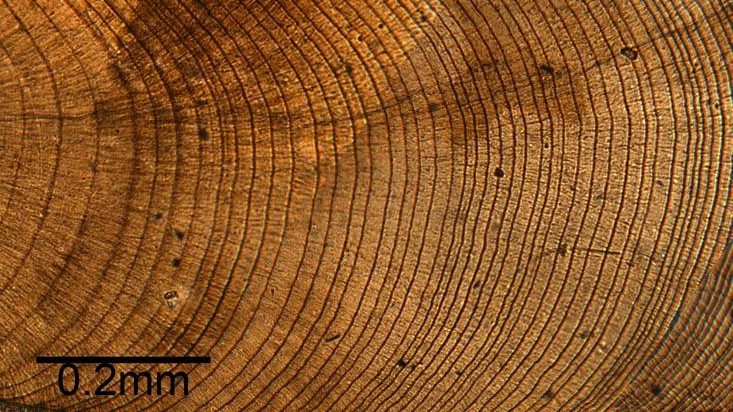
The subpolar gyre is a large, rotating current system that plays a vital role in regulating regional and global climate by transporting heat and influencing weather patterns. Researchers, led by Laura Arellano Nava, used growth bands within the shells of dog cockles (Glycymeris glycymeris) as a high-resolution historical record of the gyre’s behavior. these bands, similar to tree rings, reflect changes in ocean conditions over time.
the analysis revealed a previously unknown period of instability leading up to the 1920s North Atlantic regime shift, a period characterized by strengthening currents within the gyre. Arellano nava suggests this instability may have been part of the gyre’s recovery from a collapse during the Little Ice Age. “It had to restrengthen at some point, but that’s not something we have full evidence for because we didn’t dive into those mechanisms,” she said.
More concerningly, the data indicates the current instability is escalating and may signal an approaching tipping point driven by global warming, corroborating existing climate change research.
While the findings are compelling, some experts remain cautious. David Thornalley, a professor of ocean and climate science at University College London, who was not involved in the study, acknowledged the value of the well-dated datasets but expressed skepticism about directly linking the clam data patterns to specific physical changes in the ocean. “I am sceptical about the interpretation,” he told Live Science.
Arellano Nava and her team are now focused on modeling potential climate trajectories resulting from continued destabilization. The potential consequences include a weakening of the Atlantic Meridional Overturning Circulation (AMOC), a major driver of global climate. “We don’t know exactly what the tipping point is,” Arellano Nava stated. “it might very well be the AMOC… but we might potentially be observing a subpolar gyre weakening first, and that’s worrying, definitely.”
The study underscores the urgent need for continued monitoring and research into the dynamics of the North Atlantic subpolar gyre and its role in a changing climate.
