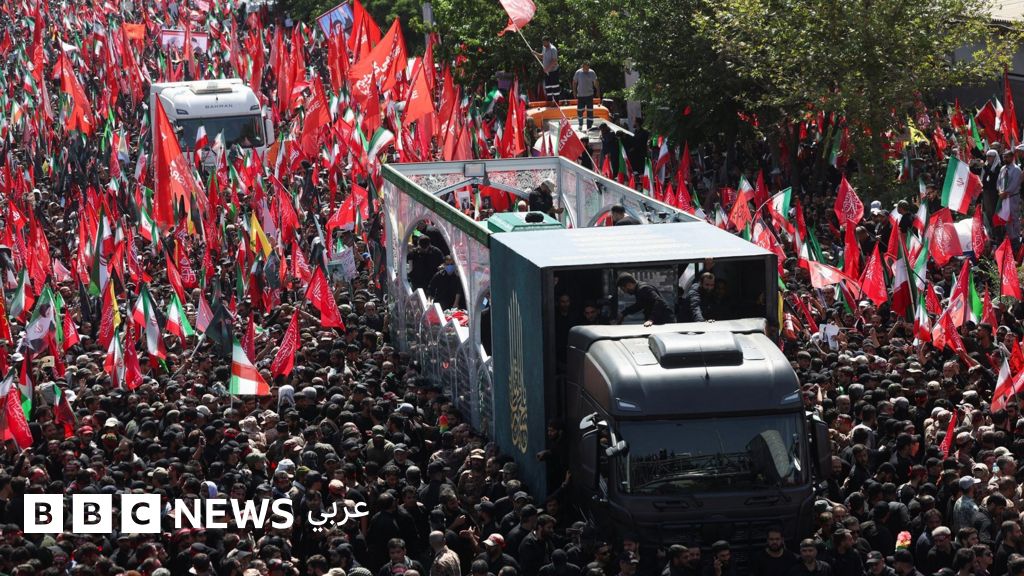
Massive Crowds Gather in Tehran for Khamenei’s Historic Funeral Procession
The Mechanics of a State-Managed Succession
The funeral procession, now in its fourth day, serves as both a public display of grief and a carefully calibrated exercise in state narrative control. According to reports from Monte Carlo Doualiya and Euronews, Iranian authorities have mobilized millions of mourners, transforming the streets of Tehran into a stage for asserting regime continuity. The state’s security apparatus is working to ensure that the public image of the transition remains unified, despite underlying tensions regarding the country’s future path.
Geopolitical Signaling and the Saudi Presence
The appearance of a high-level Saudi delegation in Tehran has captured the attention of regional observers. As noted by Al-Arabiya, the diplomatic weight of this gesture indicates a desire to maintain the momentum of the 2023 rapprochement, even amidst the uncertainty of a leadership void.

The Conflict Narrative: Tehran’s Rhetorical Stance
Despite the diplomatic choreography, the regime continues to project a defiant posture toward Western powers. Euronews reported that images of former U.S. President Donald Trump, depicted as being on a “gallows,” were displayed in eastern Tehran during the procession. This imagery underscores the deep-seated ideological friction that continues to define Iran’s foreign policy, regardless of who holds the title of former leader.
The Road to Najaf and Karbala
The final leg of the procession will take the casket into Iraq, a move that carries profound religious and political significance. By transporting the remains to the holy cities of Najaf and Karbala, the Iranian state is reinforcing its ideological influence within the Shia heartlands of Iraq.
The movement of such a high-profile procession through regional borders presents a unique logistical challenge.
For those managing cross-border assets, the time to