Marvel Comics Editorial Shifts and Oni Press SDCC Exclusives
Marvel Studios has appointed veteran editor Stephen Wacker to oversee its comic book publishing division, signaling a strategic shift toward the “Brand New Day” editorial era. This leadership change aims to stabilize Marvel’s intellectual property pipeline as the company balances legacy print narratives with the high-stakes demands of its multi-billion dollar cinematic and streaming ecosystem.
The Strategic Realignment of Editorial Leadership
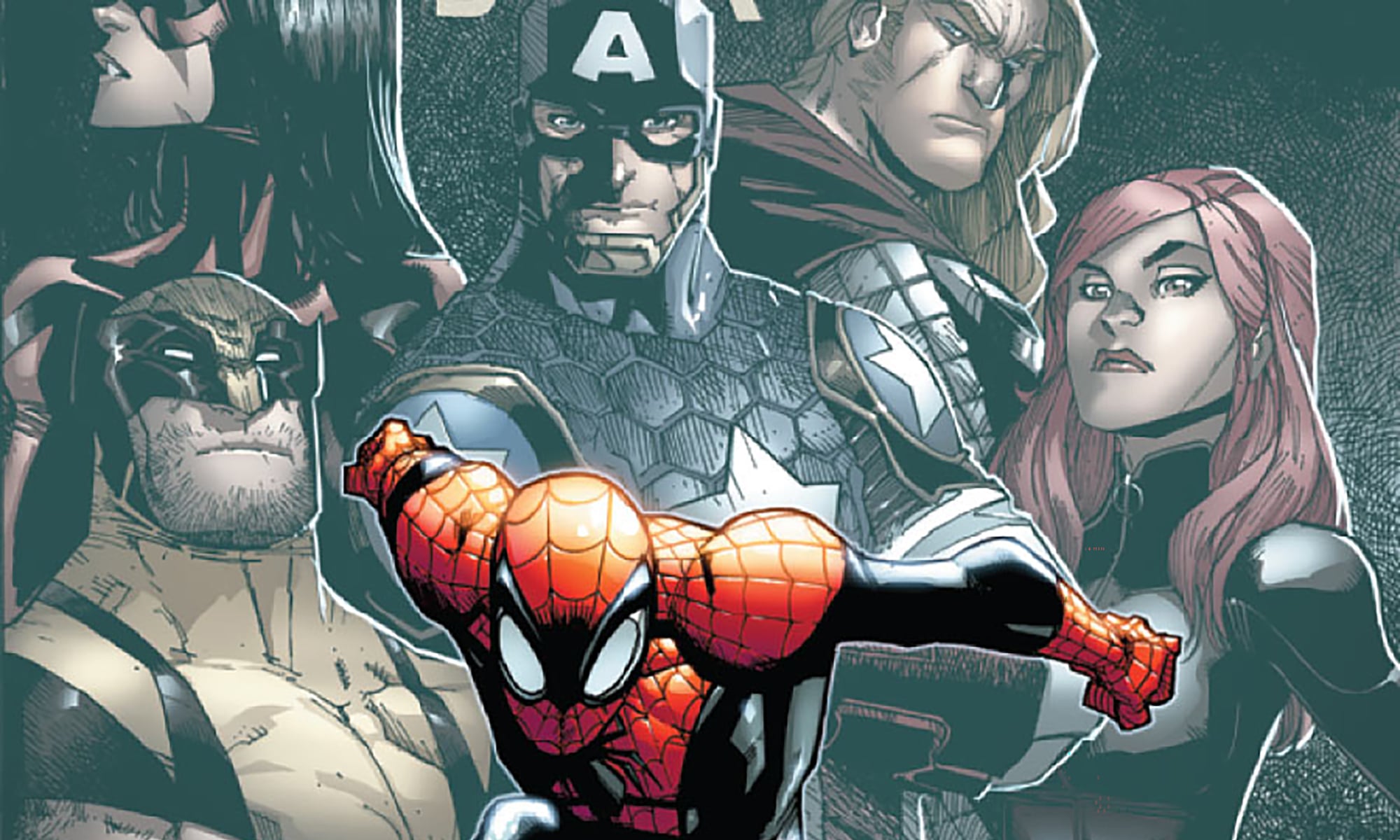
Stephen Wacker’s return to a central leadership role at Marvel Comics marks a pivot toward the brand management style that defined his previous tenure, particularly during the 2008 “Brand New Day” relaunch of The Amazing Spider-Man. By placing an executive with a deep understanding of serialized storytelling mechanics at the helm, Marvel is signaling to stakeholders that it intends to prioritize long-term brand equity over short-term gimmickry. This move is essential for maintaining the consistency of IP that feeds into the broader Disney-owned Marvel Cinematic Universe (MCU), where character continuity often dictates the success of multi-project development cycles.
According to internal industry tracking, the transition comes at a moment of cooling for the broader comic book market. Retailers are increasingly wary of “variant cover” fatigue, a practice that has historically inflated monthly sales figures while masking underlying dips in organic readership. Wacker’s mandate likely involves streamlining the editorial process to ensure that print runs remain profitable even as consumer behavior shifts toward digital platforms and trade paperbacks.
Managing the Logistical Leviathan of Convention Exclusives
As Marvel recalibrates its editorial strategy, the industry remains fixated on the logistics of the San Diego Comic-Con (SDCC) cycle. While Marvel navigates its new internal hierarchy, independent publishers like Oni Press are leveraging the event to drive scarcity-based revenue through ultra-rare exclusive releases. This contrast highlights a broader trend: while major studios are tightening their belts and focusing on core IP, smaller houses are using high-end event management and limited-edition physical media to maintain relevance in a crowded marketplace.
For studios and publishers, managing these high-profile appearances requires a sophisticated approach to supply chain and security. A botched launch or a PR misstep at an event as dense as SDCC can cause immediate damage to a brand’s market valuation. Studios facing such pressure often rely on [Specialized Event Management Firms] to handle the logistical complexities of booth activations and talent movement, ensuring that the spectacle does not overshadow the product.
Intellectual Property Protection and the Backend Gross
The appointment of a seasoned editorial veteran is not merely a creative decision; it is a defensive move against the increasing complexity of copyright and backend gross disputes. When a studio rebrands or shifts its editorial focus, it creates potential friction points regarding the rights of legacy creators and the valuation of character usage in future streaming productions. Ensuring that every narrative shift is documented and cleared through proper legal channels is now a standard requirement for major entertainment entities.
In cases where creative direction leads to potential disputes over royalty structures or character ownership, studios frequently turn to [Intellectual Property Legal Counsel] to audit their portfolios. The goal is to insulate the studio from litigation that could threaten the release schedule of upcoming SVOD (Subscription Video on Demand) projects. As Marvel moves into this new era, the integration of Wacker’s editorial vision with the studio’s rigid legal framework will be the primary indicator of whether the company can successfully refresh its brand without triggering costly IP challenges.
The Future of Serialization in a Streaming-First Market
The broader entertainment industry is watching this leadership change closely to see if print-to-screen synergy can be optimized. With box office receipts for superhero content facing increased scrutiny from investors, the pressure to produce “hit-ready” content is higher than ever. If Wacker can successfully replicate the editorial discipline of his earlier work, Marvel may find a path to revitalizing its print division as a lean, efficient incubator for future blockbuster concepts.

Ultimately, the transition represents a broader industry pivot toward stability. Whether it is through the meticulous management of a comic book relaunch or the deployment of [Crisis Communication and Reputation Management Firms] during a PR crisis, the companies that succeed in 2026 will be those that view their creative output as a strictly managed asset class. Marvel’s next chapter is not just about stories; it is about the structural integrity of the intellectual property that keeps the studio competitive in a crowded, high-budget media landscape.
Disclaimer: The views and cultural analyses presented in this article are for informational and entertainment purposes only. Information regarding legal disputes or financial data is based on available public records.