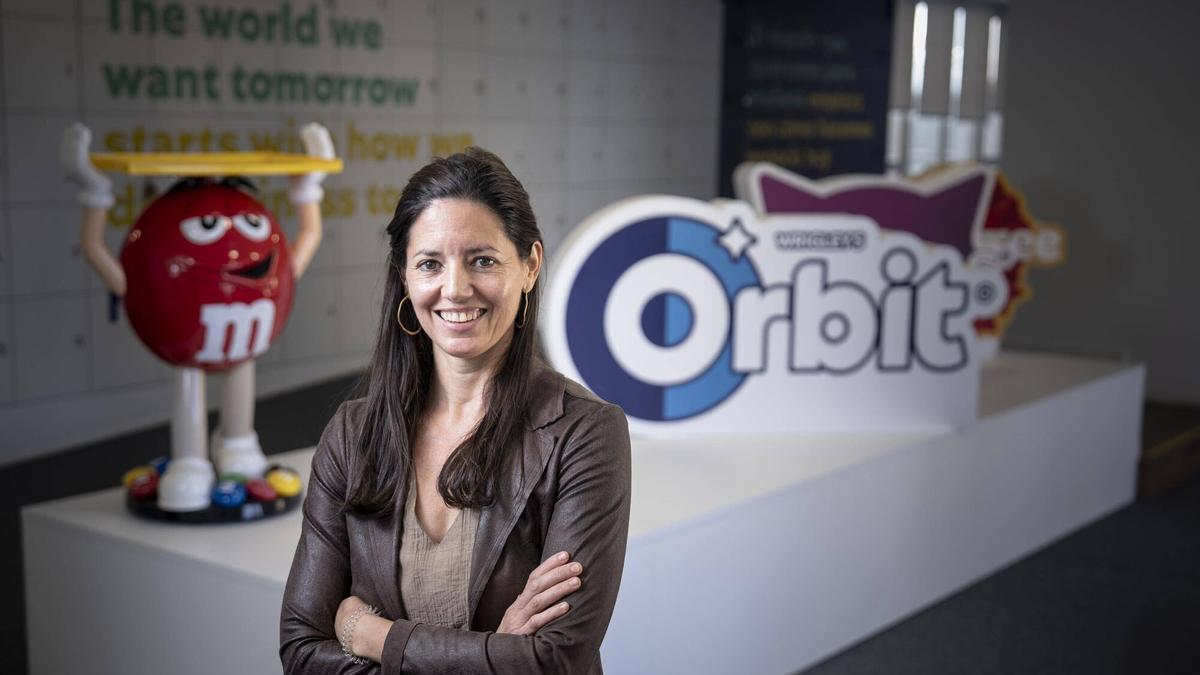
Mars invests 85.5 million euros to expand Ávila factory
Mars Incorporated is expanding its Arévalo factory in Ávila with an 85.5 million euro investment to boost production of pet care brands Pedigree and Whiskas for the European market, as the snacking and confectionery sector in Spain reaches 12,000 million euros in annual sales. Founded in the US city of Tacoma, Washington, in 1911 by entrepreneur Franklin Clarence Mars, the family-owned company — now in its fifth generation and headquartered in McLean, Virginia — manufactures MilkyWay, Twix, Snickers, Bounty, Orbit and Boomer chewing gums, M&M’s, Sugus, Solano candies, and pet food brands including Pedrigree, Royal Canin, and Whiskas, alongside recent additions like Trü Frü and Be-Kind bars and the Kellogg’s portfolio.
Expanding the Ávila Plant for European Export
The manufacturing facility in Arévalo serves as the company’s primary production hub in Spain for pet nutrition brands exported across Europe. Mars plans to pump 85.5 million euros into the facility, adding two new production lines featuring advanced automation. This capital expenditure will increase the local headcount toward roughly 275 workers. Spain hosts approximately 2,800 total employees across the company’s business units.
Pet care accounts for half of the global company’s revenue and three-quarters of its workforce, according to Neus Matutes, corporate affairs director for Mars Snacking in Southern Europe. Yet the broader corporate strategy increasingly focuses on the snacking category. The integration of Kellanova, the owner of Kellogg’s, adds new scale to a portfolio that already includes Snickers, M&M’s, Orbit, and newer health-focused acquisitions like Trü Frü and Be-Kind bars. Globally, the company counts 150,000 employees, which rose to 170,000 through the alliance with Kellanova, and generates 65,000 million dollars in annual sales. Mars also maintains a human food branch based on rice and other cereals that is not commercialized in Spain, operates directly in 78 countries, and employs more than 25,000 workers across 24 European factories — including about ten dedicated to snacks — which produce 85% of sales made in European territory.
Spanish Snacking Sector Grows as Consumer Habits Shift
The Spanish snacking sector generates about 12,000 million euros in yearly sales. Market forecasts point to an expansion rate of 3 percent over the next five years. Consumer research from firms like Circana and Worldpanel shows that shoppers are reducing portion sizes during main meals while increasing frequency of between-meal snacking. Nearly two-thirds of Spanish consumers eat snacks at least once a day, with more than three-quarters seeking low-sugar and high-fiber options.
Snacking products now account for roughly 45 percent of Mars revenue. The company reported double-digit growth in its European snacking segment over recent years, recording gains in both value and volume in 2025. Confectionery sales alone in Spain rose 3 percent compared to the prior year.
Mars Invests Billions to Counter Supply Chain Pressures
Reaching dominant market share presents challenges amid ongoing geopolitical friction and climate-driven raw material shortages. Matutes noted that recent years required difficult operational decisions, with Mars absorbing significant cost pressures through internal process optimization. The firm is deploying over one billion dollars across Europe for manufacturing, sustainability, and innovation, following a prior investment of 1.5 billion euros over the preceding five years.
The company maintains internal marketing restrictions adopted in 2007 to limit advertising directed at children. Sustainability initiatives focus on three pillars: planetary impact, resilient supply chains for local communities, and product innovation.
Origins of the European Operations
Mars arrived in Europe in the 1930s, with the acquisition of a pet food company in the United Kingdom, which would be the origin of the now-called ‘pet care’ division,
Matutes continued, tracing the company’s early footprint on the continent where it operates one of the few family-owned multinationals left in the fast-moving consumer goods sector, and they are already on the fifth generation,
as noted by the corporate affairs director.