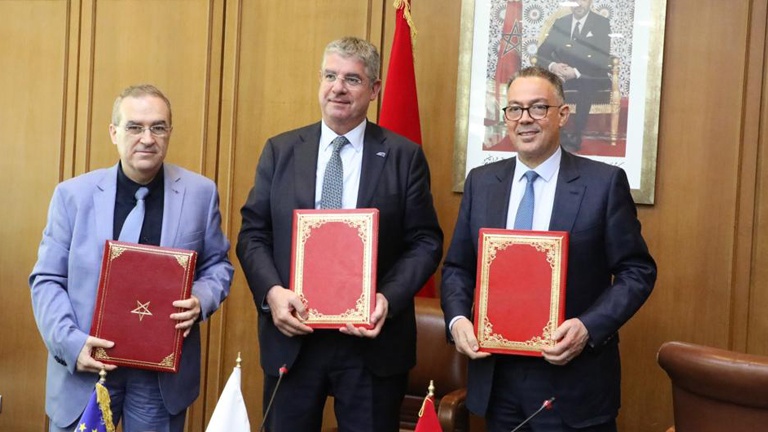
Maroc-BEI Announces $1 Billion in Post-Earthquake Reconstruction Funding
The European Investment Bank (EIB) has finalized the second tranche of its financial support for Morocco’s post-earthquake reconstruction efforts. This injection of 500 million euros brings the total EIB commitment to one billion euros, targeting the urgent rehabilitation of critical infrastructure and social facilities in the Al Haouz region.
Following the seismic event that devastated parts of the High Atlas, the recovery process has evolved from immediate emergency response to a complex, multi-year structural overhaul. The infusion of these funds serves as a vital liquidity bridge for the Moroccan government, which faces the daunting task of rebuilding schools, hospitals, and road networks across rugged, geographically isolated mountain terrain.
Infrastructure Resilience in the High Atlas
The reconstruction program is not merely a restoration of what existed prior to the disaster. it represents a strategic pivot toward seismic-resistant design and long-term territorial development. The EIB’s involvement provides more than capital—it imposes rigorous technical standards that ensure new structures can withstand future geological volatility.
For local contractors and regional developers, this transition presents both a massive opportunity and a significant logistical hurdle. Standard construction methods are no longer sufficient. Projects now require specialized knowledge in structural engineering, seismic-grade materials, and sustainable building practices. For businesses operating in this sector, finding vetted seismic engineering consultants is no longer optional; it is a prerequisite for participating in state-tendered reconstruction projects.
The scale of the investment is substantial. To date, the total financial mobilization for this recovery effort exceeds 5 billion dirhams in supplemental funding, underscoring the depth of the commitment from international financial institutions to stabilize the affected regions.
The reconstruction of Al Haouz is a marathon, not a sprint. We are building for the next century, which means that every school and clinic must meet international safety standards that were previously absent in these remote districts. The EIB funding provides the backbone for this transformation.
The Logistics of Regional Recovery
The geographic reality of the Al Haouz region—characterized by high altitude and limited accessibility—complicates every stage of the supply chain. Transporting heavy machinery and construction materials to mountain villages requires precise coordination and local knowledge. The legal landscape surrounding land titles and property rights in these rural zones is complex, often requiring expert intervention to clear the way for new construction.
As the government accelerates the pace of development, the need for specialized legal and administrative support has spiked. Developers and local municipalities are increasingly turning to real estate and property law firms to navigate the nuances of land acquisition and zoning regulations, ensuring that the rapid pace of development does not compromise legal integrity or community land rights.
Key Pillars of the Reconstruction Framework
- Educational Infrastructure: Prioritizing the construction of schools to ensure continuous access to education for rural youth.
- Healthcare Capacity: Rebuilding clinics and regional hospitals to restore medical services to isolated populations.
- Transport Networks: Improving road connectivity to facilitate both emergency access and long-term economic integration of the mountain zones.
- Technical Oversight: Implementing strict adherence to international seismic safety codes for all public and private sector projects.
A Shift in Development Philosophy
This phase of reconstruction aligns with a broader national directive: the adoption of precise, data-driven territorial development. The government has emphasized that the current reconstruction must be characterized by “greater celerity” and a “stronger impact.” This shift demands a departure from outdated construction methods in favor of technologies that allow for real-time monitoring of project milestones and resource allocation.
This shift in methodology creates a demand for high-level project management and digital monitoring solutions. Companies that fail to integrate digital tracking and transparent reporting mechanisms risk being left behind as the government prioritizes efficiency and accountability in its procurement process.
For those involved in the supply chain—from material providers to site managers—the environment is increasingly unforgiving of delays. Engaging with certified project management firms that specialize in large-scale infrastructure deployment has become the primary strategy for firms looking to secure and maintain contracts within this high-stakes environment.
As Morocco moves into this second phase of reconstruction, the spotlight remains on the efficacy of resource management. The collaboration with the EIB ensures that the financial backing is robust, but the success of the mission rests on the ground, in the hands of the engineers, legal experts, and contractors tasked with rebuilding the physical and social fabric of the region.
The road ahead is long, and the challenges inherent in mountain-terrain reconstruction are far from resolved. Ensuring that the recovery reaches the most vulnerable communities requires vigilant oversight and the utilization of top-tier professional expertise. Whether you are a stakeholder in the construction sector or an administrative entity overseeing local implementation, success in this environment requires a bridge to the right resources. If you are navigating the complexities of post-disaster infrastructure development, ensure your organization is equipped with the necessary professional partnerships found in our global business and civic services directory.