
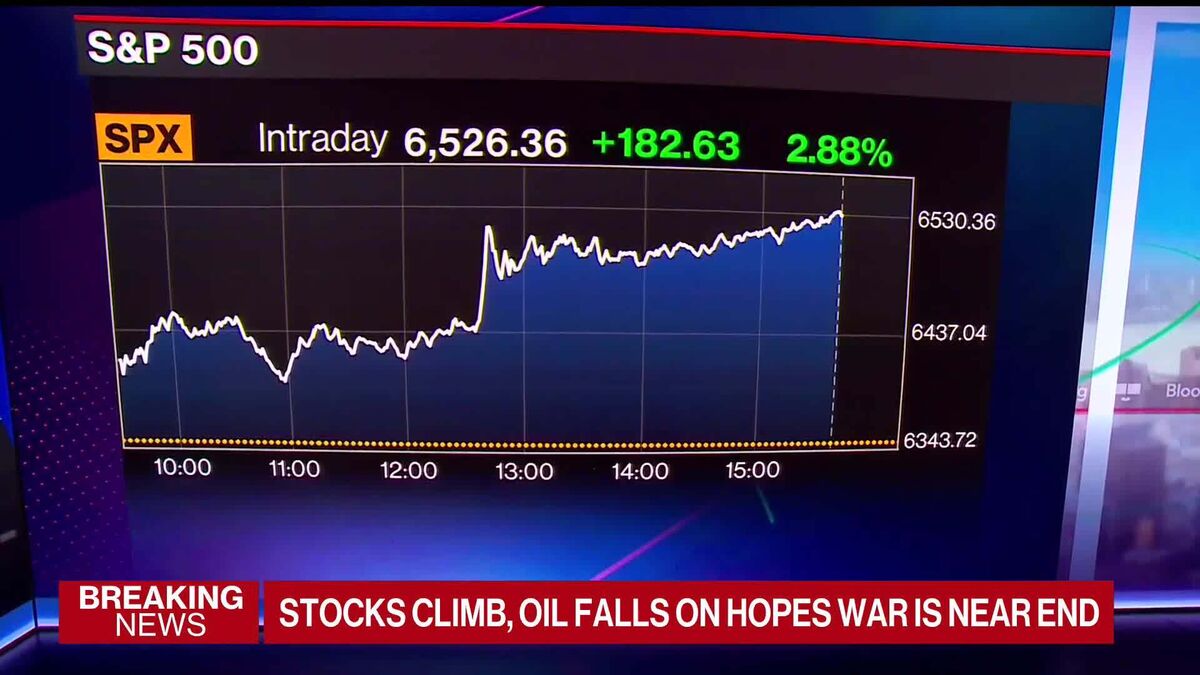
Markets Rally on Hopes of Iran War Ending
Global equity markets surged Tuesday as signals emerged from Iran suggesting a potential de-escalation of conflict with the United States. The Iranian president reportedly expressed willingness to engage in talks, sparking a risk-on sentiment that propelled indices higher. This shift impacts energy prices, geopolitical risk assessments, and supply chain stability, demanding proactive risk mitigation strategies for multinational corporations.
The Geopolitical Premium Unwinds: A Supply Chain Reckoning
The immediate market reaction – a broad-based rally – isn’t surprising. For weeks, the escalating tensions in the Middle East injected a substantial geopolitical premium into oil prices and dampened investor appetite for risk assets. Brent crude, which briefly touched $90 a barrel last month, saw a significant pullback, settling around $86.50. However, this isn’t simply a story about oil. The disruption to critical shipping lanes through the Strait of Hormuz threatened to exacerbate existing supply chain bottlenecks, particularly for the automotive, electronics, and consumer goods sectors. According to data from Flexport, a leading freight forwarding provider, transit times from Asia to Europe via the Suez Canal had increased by 20% in the weeks leading up to the reported breakthrough.
The potential for a resolution, however fragile, offers a reprieve. But the underlying vulnerabilities remain. Companies reliant on just-in-time inventory management are now reassessing their exposure. The cost of insurance for shipments through the region, while decreasing from peak levels, remains elevated. This is where strategic partnerships develop into paramount. Businesses are actively seeking guidance from specialized supply chain risk assessment firms to model potential disruptions and build resilience into their operations.
Earnings Impact: A Sector-by-Sector Analysis
The impact of a stabilized geopolitical landscape will be unevenly distributed across sectors. Energy companies, naturally, face the most immediate implications. While a decline in oil prices will squeeze margins for producers, it’s a net positive for consumers and transportation companies. Airlines, for example, saw their stock prices jump on the news, reflecting the anticipated reduction in fuel costs. The broader industrial sector, heavily reliant on stable energy prices and predictable supply chains, is also poised to benefit.
However, the situation is nuanced. The initial surge in optimism could quickly dissipate if negotiations falter. The market’s sensitivity to geopolitical events remains exceptionally high. “We’re seeing a classic ‘relief rally,’ but it’s predicated on a level of trust that, frankly, doesn’t exist in this region,” notes Eleanor Vance, Chief Investment Officer at Crestwood Capital Management. “Investors need to be prepared for a potential reversal if talks break down. Diversification and proactive hedging strategies are crucial.”
The Financial Intermediaries Step In
The uncertainty surrounding the Iran situation has also fueled demand for financial risk management services. Companies are increasingly turning to specialized firms to hedge against currency fluctuations, commodity price volatility, and potential disruptions to trade finance. The demand for political risk insurance has also spiked. According to a recent report by Marsh McLennan, demand for political risk insurance policies increased by 35% in the first quarter of 2026, driven largely by concerns over the Middle East.
This surge in demand highlights the critical role of financial intermediaries in navigating a complex and volatile global landscape. Businesses are realizing that they can’t afford to go it alone. They need access to expert advice, sophisticated risk management tools, and a network of trusted partners. This is where specialized financial risk advisory services become invaluable.
A Gaze at the Numbers: Q1 2026 Performance
| Sector | Q1 2025 EBITDA Margin | Q1 2026 EBITDA Margin (Projected) | Change (%) |
|---|---|---|---|
| Energy (Oil & Gas) | 18.5% | 15.2% | -17.8% |
| Airlines | 8.2% | 10.5% | +27.4% |
| Automotive | 6.7% | 7.1% | +5.9% |
| Consumer Goods | 12.3% | 12.8% | +4.1% |
The table above illustrates the projected impact of a de-escalation in Iran on key sectors. While energy companies are expected to spot a decline in EBITDA margins due to lower oil prices, other sectors, such as airlines and automotive, are poised to benefit from reduced fuel costs and improved supply chain stability. These projections are based on analysis of company earnings reports, industry data, and macroeconomic forecasts. (Source: S&P Capital IQ).
Legal Ramifications and Compliance Challenges
Beyond the immediate financial implications, the evolving situation in Iran also presents significant legal and compliance challenges for multinational corporations. Companies operating in the region must navigate a complex web of sanctions, export controls, and anti-money laundering regulations. The potential for secondary sanctions – penalties imposed on companies that do business with sanctioned entities – remains a major concern.
“The legal landscape is incredibly complex and constantly changing,” says Anya Sharma, a partner at Latham & Watkins specializing in international trade law. “Companies need to have robust compliance programs in place to ensure they’re not inadvertently violating any sanctions regulations. This requires ongoing monitoring, due diligence, and expert legal advice.”
Navigating these complexities requires specialized legal expertise. Companies are increasingly relying on international trade law firms to provide guidance on sanctions compliance, export controls, and cross-border transactions.
The Road Ahead: A Cautious Optimism
The market’s rally on hopes of an Iran war ending is a testament to the power of risk sentiment. However, it’s crucial to remember that this is a fluid situation. Negotiations could easily stall, and tensions could flare up again. Investors should remain cautious and avoid getting carried away by short-term optimism. The next few fiscal quarters will be critical in determining whether this is a genuine turning point or merely a temporary reprieve.
The World Today News Directory remains committed to providing our readers with the most accurate and up-to-date information on global markets and geopolitical events. For businesses seeking to navigate these challenges, our directory offers a comprehensive list of vetted B2B partners – from supply chain risk assessment firms to financial risk advisors and international trade law experts – ready to help you build resilience and capitalize on emerging opportunities. Don’t navigate these turbulent waters alone. Explore our directory today to find the partners you need to thrive in an increasingly uncertain world.