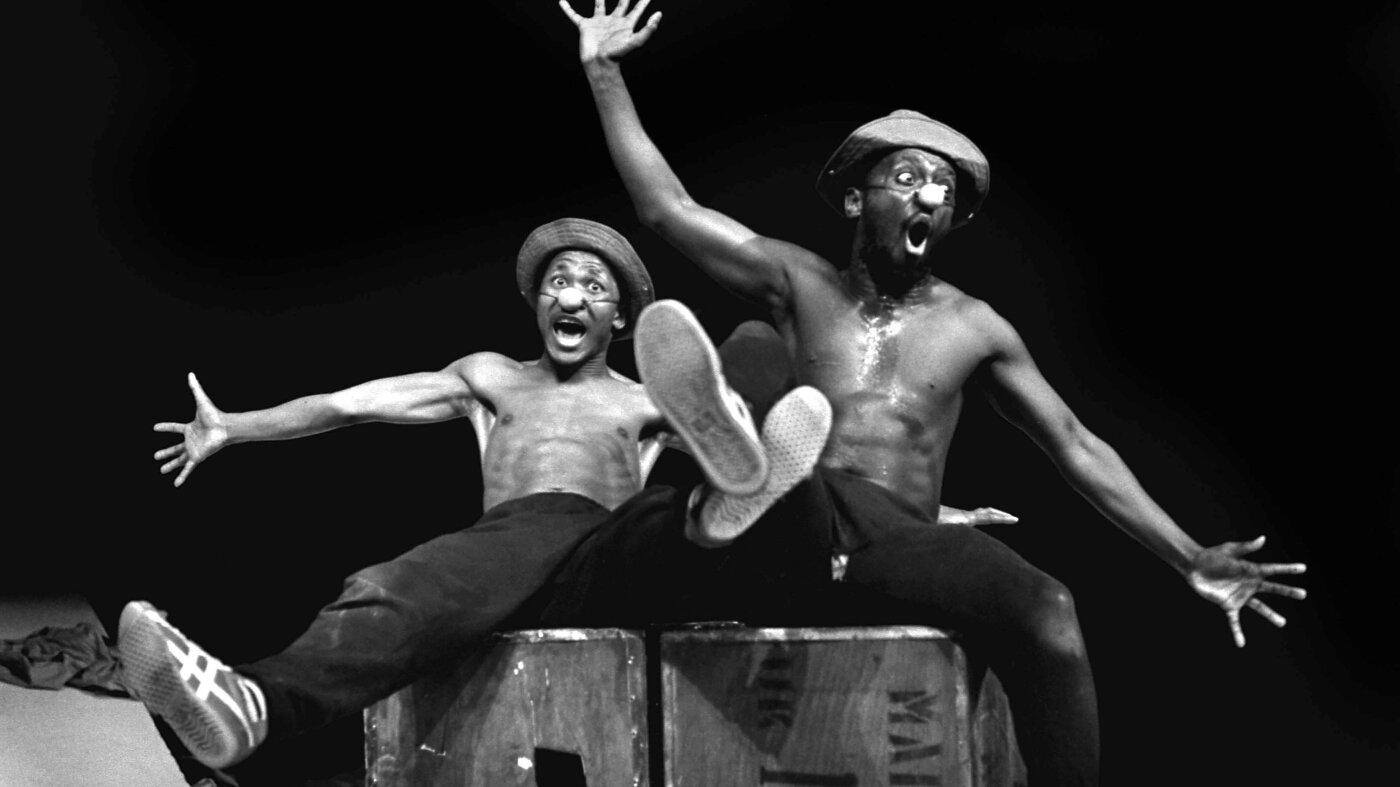
Market Theatre Johannesburg Celebrates 50 Years Of Defying Apartheid
South Africa’s Market Theatre celebrates its 50th anniversary in 2026, marking a half-century of defying apartheid censorship and shaping national identity. Originally a subversive hub for integrated audiences in Johannesburg, the venue now faces the modern challenge of monetizing its legacy while producing contemporary works like “Marabi.” This milestone highlights the intersection of cultural preservation, intellectual property management, and the economic realities of post-apartheid arts funding.
As the global entertainment calendar shifts into the second quarter of 2026, the spotlight turns unexpectedly to Johannesburg. While Hollywood obsesses over the summer box office projections and streaming SVOD retention rates, the Market Theatre is executing a different kind of rollout. This isn’t just a birthday party. it is a case study in brand longevity. For five decades, this venue has operated not merely as a performance space but as a political entity, a legal loophole, and a cultural fortress. Today, the conversation shifts from survival to sustainability. How does an institution built on resistance pivot to thrive in a commercial marketplace without diluting its brand equity?
The origin story reads like a thriller script. In 1976, amidst the Soweto uprising, founders Barney Simon and Mannie Manim opened the doors in an ancient fruit market. The legal architecture required to keep those doors open was as intricate as any studio contract. To circumvent apartheid laws forbidding mixed-race audiences, the theater’s bar was sold for one rand, technically making the space private property. This maneuver allowed Black and white patrons to mingle legally within the auditorium, even if the foyer remained segregated territory. It was a masterclass in regulatory arbitrage, a tactic that modern entertainment attorneys would recognize as high-stakes compliance navigation.
That history carries weight, but it also carries a price tag. The theater launched the careers of icons like John Kani and Athol Fugard, and gave birth to Sarafina, which successfully transitioned from stage to Broadway and eventually a Hollywood feature. Yet, the economics of South African theater remain precarious. According to data released by the National Arts Council of South Africa earlier this year, live performance attendance in Gauteng has seen a volatile recovery post-pandemic, with heritage venues relying heavily on corporate sponsorship rather than pure ticket revenue. The current production of Marabi, directed by Arthur Molepo, serves as the litmus test for this new era. Early reports indicate the run sold out its initial two-week engagement, signaling a robust appetite for historical narratives among Gen Z and millennial demographics who have no living memory of the apartheid regime.
The challenge for the Market Theatre’s leadership, including Artistic Director Greg Homann, is converting this cultural capital into financial stability. “We are no longer just telling the story of the struggle; we are telling the story of the democracy,” Homann notes. This shift requires a sophisticated approach to intellectual property. The archives of the Market Theatre contain decades of scripts, recordings, and designs that represent a significant, often under-monetized, asset class. Properly cataloging and licensing this IP could provide a backend revenue stream similar to how major studios leverage their libraries.
“The Market Theatre is a brand that transcends geography. To sustain it, we need to treat its history not just as a memory, but as a licensable asset. The next fifty years depend on how well we protect and package that legacy.” — Dr. Nomsa Mkhwanazi, Senior Arts Economist and Cultural Policy Analyst
Preserving this legacy requires more than just artistic vision; it demands logistical precision. Hosting a 50th-anniversary gala of this magnitude involves complex coordination. The production is currently engaging with regional event security and A/V production vendors to ensure that the high-profile nature of the anniversary events proceeds without disruption. In an era where public sentiment can shift instantly, the intersection of culture and security is paramount. The influx of international dignitaries and arts tourists for the celebration creates a ripple effect for the local economy. Johannesburg’s luxury hospitality sectors are bracing for a historic windfall, with hotel occupancy rates in the Newtown precinct projected to spike significantly during the festival week.
However, the path forward is not without friction. The theater must navigate the delicate balance of honoring its radical past while appealing to a corporate donor base that may be sensitive to controversial content. This is where the role of strategic communication becomes critical. When an institution deals with this level of public scrutiny and historical baggage, standard press releases are insufficient. The management team must deploy elite crisis communication firms and reputation managers to curate the narrative, ensuring that the brand remains relevant without alienating its core constituency or its funders.
The success of Marabi suggests that the appetite for difficult conversations remains strong. The play, which depicts a Black family’s forced removal under segregation laws, resonated deeply with younger audiences. Gabisile Tshabalala, the lead actress, noted that theater remains a vital medium for young South Africans to process their identity. “We get to tell our stories,” she said, emphasizing the continued relevance of the stage in a digital age. This sentiment is backed by industry trends showing a resurgence in live theater attendance globally, as audiences seek communal experiences that streaming services cannot replicate.
As the Market Theatre looks toward its next half-century, the model must evolve. It is no longer enough to be a sanctuary; it must be a sustainable business. The integration of modern technology, the protection of its vast IP library, and the strategic management of its brand reputation will determine its future. The World Today News Directory tracks these shifts, connecting the dots between cultural milestones and the business infrastructure that supports them. For industry professionals looking to engage with this vibrant sector, whether through legal counsel, event management, or PR, the opportunities are as vast as the history itself.
Disclaimer: The views and cultural analyses presented in this article are for informational and entertainment purposes only. Information regarding legal disputes or financial data is based on available public records.