Marilyn Monroe Subway Shoot Moved After Crowd Noise
The Lexington Avenue Shoot That Required Fourteen Takes
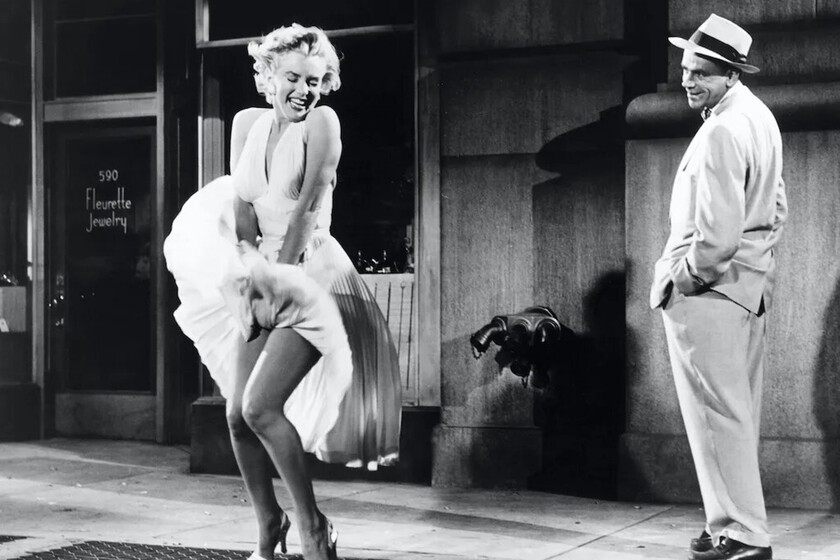
At 1:00 a.m. on September 15, 1954, between 2,000 and 5,000 spectators and roughly one hundred photographers gathered at the intersection of Lexington Avenue and 52nd Street in New York to watch Marilyn Monroe stand over a subway grating, Espinof reported. Director Billy Wilder wanted on-location realism for the scene in Some Like It Hot, released as Con faldas y a lo loco, but ambient noise and crowd cheers forced the crew to abandon the street after fourteen takes over three hours. Production shifted to a California studio, where the sequence required approximately forty additional takes.
-
The Tech TL;DR:
- Production of the subway grating scene shifted from a New York City street corner to a California soundstage due to excessive crowd noise from thousands of onlookers.
- Director Billy Wilder later expressed deep regret over the film’s constraints under the Hays Code, stating in 1970 that he wished he never made it.
- The iconic dress sold at a 2011 auction for $4.6 million, multiplying its original production value four times.
Censorship and on-Set Chaos Frustrate Billy Wilder
Billy Wilder entered the 1954 shoot shortly after releasing Stalag 17 and Sabrina. The comedy faced continuous censorship from the Hays Code, a frustration Wilder recalled in 1970 when he stated he wished he had never undertaken the project. The street shoot itself was compromised not only by the thousands of onlookers who disrupted audio recording with their cheers, but also by Joe DiMaggio. Alerted by columnist Walter Winchell, Monroe’s husband arrived at the location, flew into a rage, and shouted demands before storming off. Monroe appeared on set the following morning with bruises and contusions from an altercation at their hotel that night, prompting her to file for divorce shortly after on grounds of mental cruelty.
Marketing Impact and Auction Valuation
Although Wilder realized the on-location footage was unusable due to audio interference, the event served as a major promotional coup. Wilder reportedly leaked the shooting location to the press, generating widespread publicity that helped the film multiply its production budget nearly tenfold at the box office. Decades later, the physical artifacts associated with the production command staggering sums. Actress Debbie Reynolds purchased the original dress for $200, later selling it at a 2011 auction for $4.6 million—roughly four times the cost of the entire original film production. Tourists continue to visit the Manhattan grating site to replicate the pose for photographs.