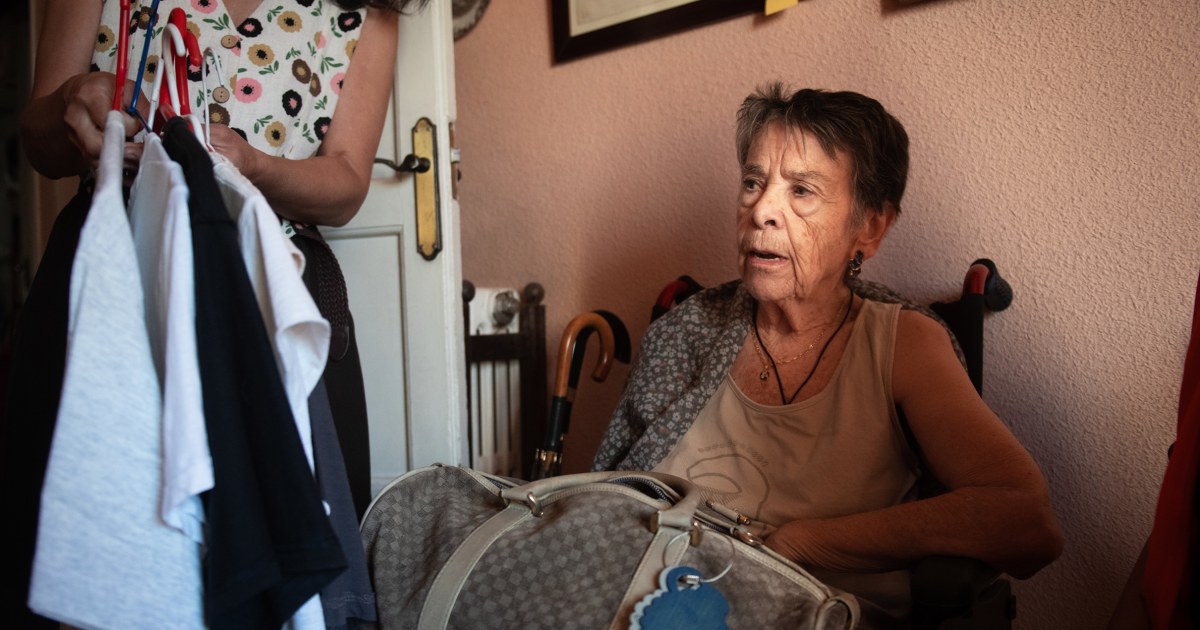
Maricarmen Abascal Evicted From Madrid Apartment After 70 Years
An 87-year-old wheelchair user, Maricarmen Abascal, was forcibly evicted Wednesday from her Madrid apartment of over 70 years, igniting widespread anger across Spain over skyrocketing rents, gentrification, and an intensifying nationwide housing crisis.
A Forceful Removal in the Retiro Neighborhood
The eviction unfolded in the Spanish capital’s Retiro neighborhood, where Maricarmen Abascal was carried out of her building on a stretcher by authorities and driven away in an ambulance. Hundreds of supporters had gathered outside the property overnight to protest the action, while dozens of police officers held back crowds attempting to block the removal. An investment fund, Urbagestión, acquired the building in 2018 and subsequently pushed for a steep increase in rent, initiating a legal battle that lasted more than five years.
Abascal’s lawyer, Beatriz Duro, described the force used during the operation as completely disproportionate and unnecessary. Duro noted that court officials and representatives of Urbagestión refused to suspend the eviction despite a pending court filing, humanitarian appeals, and evidence that public authorities were working to secure alternative accommodation. An anonymous individual had reportedly offered to cover the rent payments, but the landlord declined to sign a new lease.
Before the eviction, Abascal expressed her distress in a television interview, stating that she felt as though she was living with a machete at the back of her neck, ready to be chopped off at any moment. Following the event, the Madrid tenants union posted a video on social media showing Abascal expressing gratitude for the public support she received.
National Outrage and Political Repercussions
The case has catalyzed public anger over housing affordability, drawing demonstrations and rallies across 16 Spanish cities, including Granada, Logroño, and Zaragoza, organized by tenants unions and housing groups. Prime Minister Pedro Sánchez addressed the incident during the United Nations General Assembly in New York, describing the event as a social tragedy that the country cannot accept.

Sánchez criticized Madrid’s conservative regional government for prioritizing luxury penthouses over social housing demand. Meanwhile, urban residents expressed deep concern over the trajectory of the housing market. Irene Hernández López, a 31-year-old test engineer living in Chamberí, stated that housing has transformed into a business product rather than a personal home. She noted that rental prices are rising rapidly while wages remain stagnant, leaving many tenants questioning how they can afford basic accommodation.
The Broader Financialization of European Housing
The unrest in Spain follows prior protests against overtourism in cities like Barcelona, where activists point to short-term vacation rentals as a major driver of affordable housing shortages. In response to regional pressures, the European Union announced new rules earlier this month aimed at mitigating the housing crunch caused by short-term rentals in tourism hotspots.

Dan Nicander, secretary-general for the International Union of Tenants, observed that Spain’s current situation reflects a broader international trend. He noted that the financialization of housing—treating residential properties as market assets rather than human homes—remains a core challenge for tenants across multiple European countries.