
Marathon & Armored Core 6: How Both Games Make You a Disposable Tool
The colony world of Tau Ceti IV remains shrouded in mystery decades after the apparent overnight disappearance of its entire civilization. Now, mercenaries are being dispatched to the abandoned planet, not to solve the mystery, but to exploit what remains – and to learn what they can from those who are paying them.
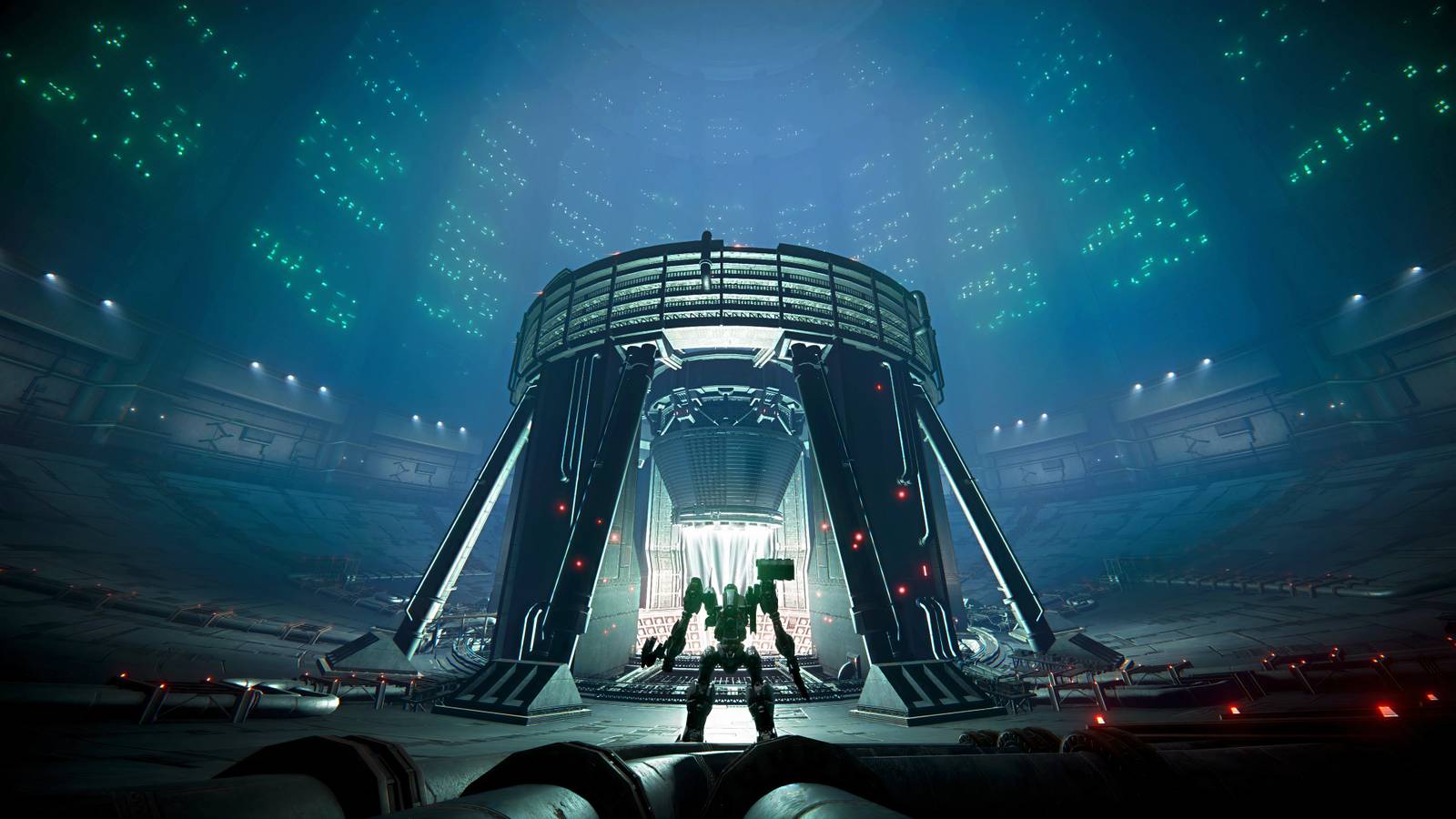
The new first-person extraction shooter, Marathon, casts players as disembodied consciousnesses piloting disposable “Runner” shells on Tau Ceti IV. The game’s narrative unfolds not through traditional cutscenes or environmental storytelling, but through contracts offered by competing factions, each with their own agenda and interpretation of the colony’s fate. This approach, while reminiscent of 2023’s Armored Core 6: Fires of Rubicon, distinguishes itself through its unique gameplay loop and emphasis on player agency within a complex web of corporate and political interests.
Marathon differs significantly from Armored Core 6 in its genre. While the latter is a third-person action game centered around piloting customizable mechs, Marathon is a first-person extraction shooter. Players loot resources, engage in combat against both AI-controlled robots and other players, and attempt to exfiltrate before being destroyed and losing their accumulated gains. According to Bungie, the game’s developers, the core experience revolves around completing contracts for various factions, unlocking upgrades, and gradually uncovering the truth about Tau Ceti IV.
Unlocking these factions requires completing a “liaison contract” assigned by ONI, often after establishing connections with other groups, as detailed in recent coverage by GamesRadar. Once unlocked, players can earn reputation and access faction-specific upgrades using Salvage and Credits. Priority contracts, one-time missions crucial to a faction’s goals, offer substantial rewards, including weapons and equipment.
The six factions currently known to operate on Tau Ceti IV – CyberAcme, NuCaloric, Traxus, MIDA, Arachne, and Sekiguchi – all offer incentives for mercenary work, promising upgrades and rewards in exchange for furthering their interests. A cheat sheet circulating on Reddit details the materials, unlocks, and upgrades associated with each faction, highlighting the strategic importance of choosing contracts carefully.
Like Armored Core 6, Marathon presents players as tools in a larger game. The story is revealed through interactions with handlers and AI, such as Handler Walter and the ALLMIND artificial intelligence in Armored Core 6. Yet, Marathon’s narrative is designed to evolve over time, with player choices and faction relationships deepening the mystery across multiple seasons. The recent launch of the Cryo Archive map on March 18th, requiring community collaboration to unlock, exemplifies this approach.
While Armored Core 6 offers a relatively contained narrative experience, Marathon is positioned as a long-term project, with the story unfolding gradually over potentially years. The game’s developers are emphasizing player agency and the impact of choices on the evolving narrative, a contrast to the more streamlined experience offered by Armored Core 6. Both games, however, share a common thread: the player is not the hero, but a participant in a story driven by external forces.