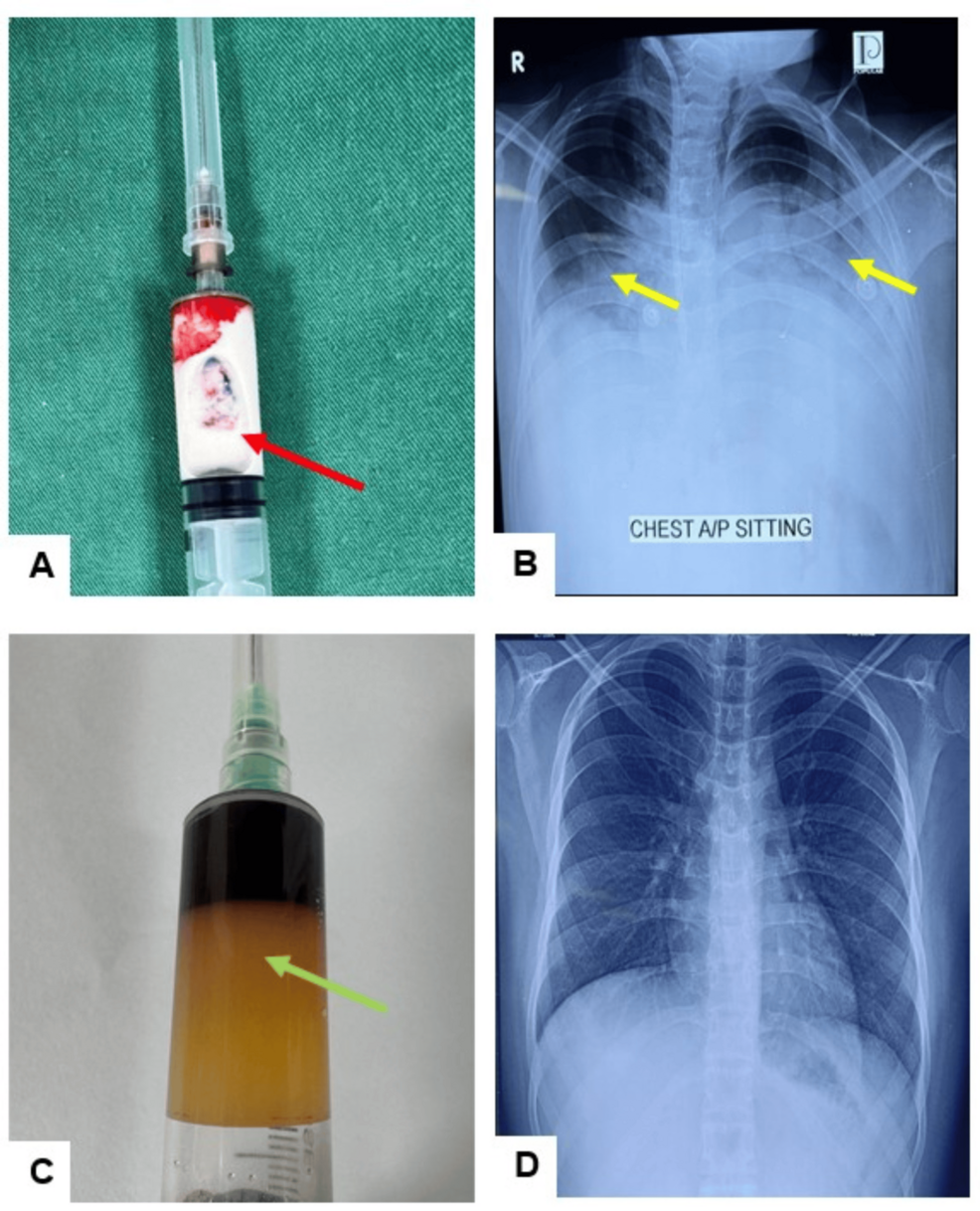
Managing Life-Threatening Hypertriglyceridemia in Diabetic Ketoacidosis with Therapeutic Plasma Exchange: A Case Report
Therapeutic plasma exchange (TPE) has emerged as a critical intervention for patients presenting with life-threatening hypertriglyceridemia secondary to diabetic ketoacidosis (DKA). A case report published in Cureus highlights the efficacy of this extracorporeal blood purification technique in rapidly reducing serum triglyceride levels when conventional insulin therapy and fluid resuscitation prove insufficient to prevent acute complications like pancreatitis.
Key Clinical Takeaways:
- Therapeutic plasma exchange (TPE) serves as a rapid, life-saving rescue therapy for severe hypertriglyceridemia (levels exceeding 1,000 mg/dL) complicating diabetic ketoacidosis.
- The procedure works by mechanically removing chylomicrons and VLDL particles from the plasma, addressing the underlying metabolic crisis when insulin-driven lipolysis regulation is delayed.
- Early identification of lipid-induced complications in DKA patients is essential to prevent hyperviscosity syndrome and necrotizing pancreatitis.
Pathophysiology of Hypertriglyceridemia in DKA
The development of severe hypertriglyceridemia in the context of DKA is primarily driven by an absolute or relative insulin deficiency. According to research published in the National Library of Medicine, insulin normally inhibits the enzyme hormone-sensitive lipase in adipose tissue. When insulin levels are critically low, this inhibition is lifted, leading to an unchecked release of free fatty acids into the bloodstream. These fatty acids are subsequently re-esterified into triglycerides in the liver and packaged into very-low-density lipoproteins (VLDL).
Simultaneously, the activity of lipoprotein lipase—the enzyme responsible for clearing triglycerides from the blood—is significantly reduced in the absence of insulin. This dual metabolic failure creates a surge in serum lipids. While standard DKA protocols prioritize intravenous insulin and fluid replacement, these measures may not lower triglyceride levels quickly enough to mitigate the immediate risk of organ injury, particularly in cases where levels surpass 2,000 mg/dL.
Clinical Application of Therapeutic Plasma Exchange
The Cureus case report details the successful use of TPE in a patient where traditional metabolic stabilization was insufficient. TPE functions by removing the patient’s plasma and replacing it with a substitute, such as albumin or donor plasma, effectively “clearing” the circulating chylomicrons and VLDL.
Dr. Elena Rossi, an intensivist familiar with lipid metabolism protocols, notes: “When the serum triglyceride level reaches a point where the blood viscosity poses a risk for microvascular thrombosis or acute pancreatitis, we must move beyond standard glycemic management. TPE provides a mechanical solution to a biochemical problem, buying the clinician time while insulin works to restore metabolic homeostasis.”
This intervention is not without risks, including electrolyte imbalances and allergic reactions to replacement fluids. Consequently, the procedure requires a specialized setting. For centers managing complex metabolic emergencies, access to board-certified nephrologists or critical care specialists experienced in apheresis is a necessary component of the care infrastructure.
Diagnostic and Regulatory Considerations
Managing these patients requires rigorous monitoring of serum lipid panels alongside standard DKA biomarkers like serum beta-hydroxybutyrate and anion gap. Because severe hypertriglyceridemia can interfere with laboratory assays, clinicians must be wary of factitiously low glucose readings or electrolyte abnormalities that may arise during the diagnostic phase.
The study in Cureus underscores that while TPE is a powerful tool, it remains an adjunctive therapy. The foundational treatment for DKA remains intensive insulin therapy and aggressive fluid resuscitation as outlined by the American Diabetes Association. Institutional protocols should clearly define the “trigger” levels for initiating apheresis to ensure resource allocation is both timely and evidence-based.
Future Trajectory and Clinical Triage
As clinical awareness of lipid-mediated complications in DKA grows, the integration of apheresis services into intensive care units is becoming a focal point for hospital systems aiming to reduce DKA-related morbidity. The success of these interventions hinges on the speed of diagnosis and the availability of specialized equipment.
For healthcare organizations seeking to optimize their response to such metabolic crises, establishing a formal referral pathway for apheresis is essential. Diagnostic centers and specialized metabolic units play a vital role in the early identification of patients at high risk for hypertriglyceridemia. Furthermore, healthcare compliance attorneys are increasingly assisting hospitals in drafting clinical guidelines that allow for the rapid deployment of TPE without administrative delay, ensuring that patient safety remains the priority in emergency settings.
Disclaimer: The information provided in this article is for educational and scientific communication purposes only and does not constitute medical advice. Always consult with a qualified healthcare provider regarding any medical condition, diagnosis, or treatment plan.