
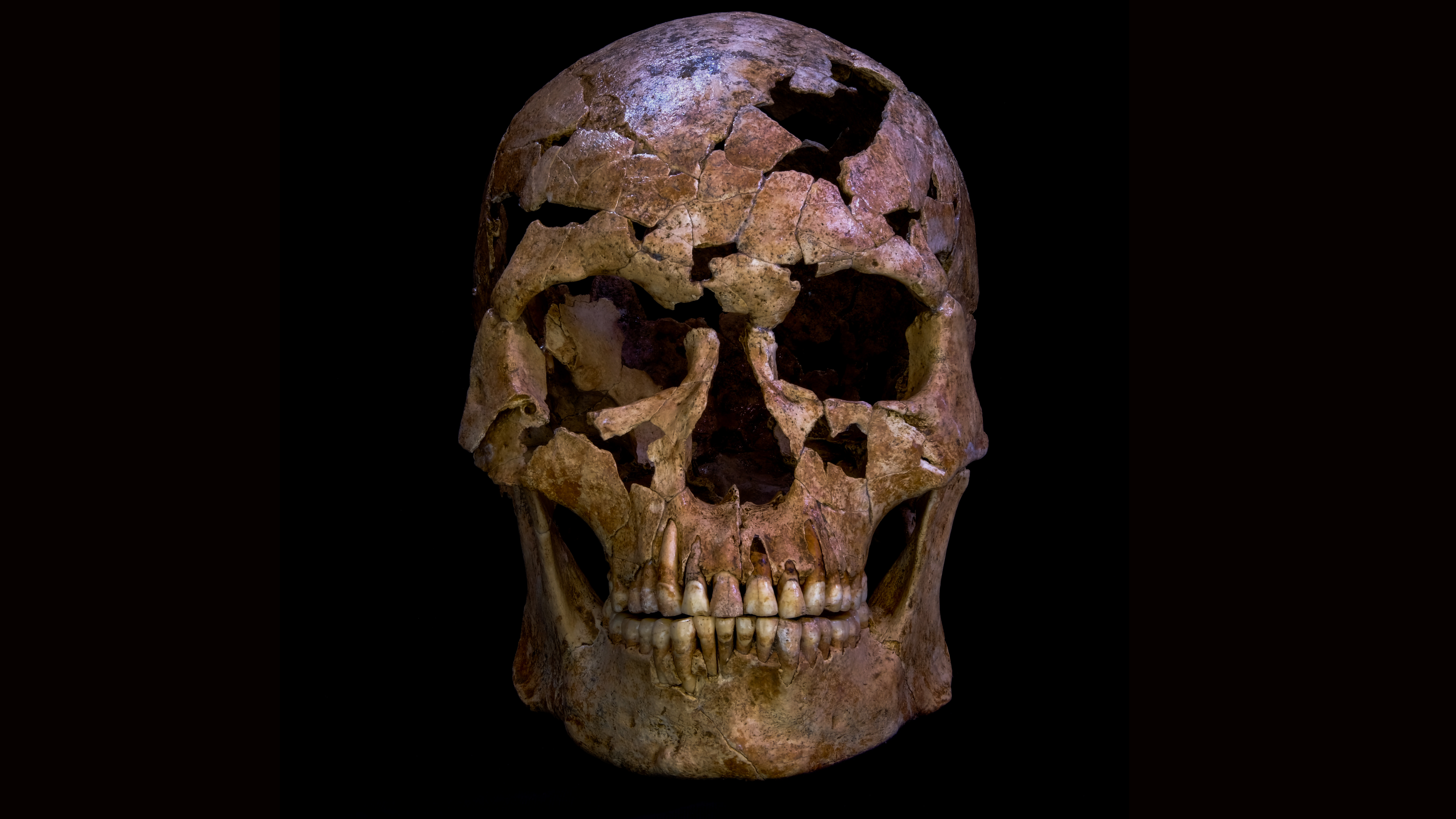
Ancient Vietnamese Man’s Skeleton Reveals Evidence of Possible Stone Age Violence
Thung Bunh 1, Vietnam – A remarkably well-preserved skeleton discovered in a cave in northern Vietnam is offering a rare glimpse into the lives – and potential conflicts – of hunter-gatherers who lived approximately 7,200 years ago.Researchers believe the man, dubbed TBH1, may have been the victim of interpersonal violence, pushing back the timeline for evidence of such conflict in East Asia by millennia.
The discovery, detailed in a recent study, centers around a skeleton found at the Thung Bunh 1 (TBH1) archaeological site in Nghệ An province, Vietnam. The site has been known for its long history of human occupation, evidenced by archaeological finds spanning thousands of years. TBH1 was buried within a cave,suggesting a deliberate and careful burial practice.
Researchers identified a healed, but infected, extra rib on the skeleton. near the rib, they unearthed a small, triangular quartz flake measuring approximately 0.72 inches (18 millimeters) long. This flake, described as a “micropoint,” exhibits evidence of notching, indicating it was likely used as a barb on a projectile like a dart or arrow.”The point is especially intriguing,” said study co-author Benjamin Utting, an archaeologist at the smithsonian National Museum of Natural History, in a statement. “It doesn’t match any other stone tools from Thung Bunh 1 or nearby sites, raising questions about who made it and where it came from.” The unusual nature of the quartz, which isn’t locally sourced, further fuels speculation about its origins and the circumstances surrounding its presence near the injured man.
Christopher Stimpson, a zooarchaeologist at the Natural History Museum in London and co-author of the study, explained to Live Science via email that the combination of the micropoint’s location near TBH1’s neck, the infected rib, and the exotic material of the quartz strongly suggests a violent encounter. This finding would extend the documented history of intergroup violence among hunter-gatherer populations in East Asia substantially.
However,the exact nature of the injury remains open to interpretation. Michael Rivera, a bioarchaeologist at the University of Hong Kong who was not involved in the study, cautioned that determining whether the injury was the result of violence or an accidental wound is arduous. “This quartz projectile could have been the culprit leading to an infected rib, but whether or not this was an act of violence or an accidental injury is difficult to assess, from my personal perspective,” Rivera told Live Science in an email.
Despite the injury, TBH1 survived for a period after the initial trauma, indicating he received care from his community. The careful burial further supports the idea that he was valued by those around him.
Stimpson noted that the hill and its caves appear to have been a significant burial location for a long period, as evidenced by later archaeological discoveries at the site. The Thung Bunh 1 site continues to yield valuable insights into the lives of early inhabitants of southeast Asia, offering a window into their health, social interactions, and burial practices.
