
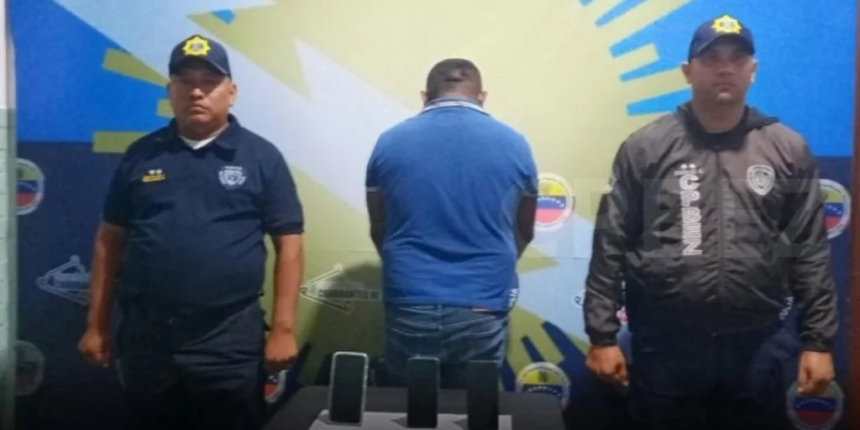
Man Arrested in Zulia for Alleged Sexual Abuse of Two Children
A 42-year-old man was arrested in Machiques, Zulia State, Venezuela on April 22, 2026, for sexually abusing two boys aged 7 and 9, triggering immediate community outrage and renewed scrutiny of child protection systems in one of Latin America’s most violence-affected border regions.
The arrest, confirmed by Zulia State Police and reported by multiple local outlets including Diario Primicia and El Informador Venezuela, followed a complaint filed by the children’s maternal grandmother after behavioral changes were observed. Forensic medical examinations conducted at the University of Zulia Hospital corroborated signs of both physical and sexual abuse, leading to the suspect’s detention under Venezuela’s Organic Law for the Protection of Children and Adolescents (LOPNA). While the accused has not been publicly named due to ongoing judicial secrecy provisions, authorities confirmed he was a known figure in the Machiques neighborhood of La Cañada, where he worked intermittently as a day laborer.
This case exposes critical gaps in Venezuela’s already strained child welfare infrastructure, particularly in Zulia—a state that recorded over 1,200 reported cases of child sexual abuse in 2025 according to the Public Ministry’s annual report, a 34% increase from 2023. Machiques, located just 30 kilometers from the Colombian border, faces unique vulnerabilities due to irregular migration flows, limited state presence and the proliferation of informal economies where child exploitation can go undetected. Local activists warn that underreporting remains rampant, with many families distrustful of authorities or unaware of reporting mechanisms.
Community Trauma and Institutional Failure in the Perijá Mountains
The impact extends beyond the immediate victims. In Machiques, where neighborhoods like El Rincón and La Paz rely on under-resourced community health centers, trauma counseling services are virtually nonexistent. The nearest specialized child psychology unit is in Maracaibo, over two hours away by unreliable public transport—a barrier that deters follow-up care. “We have no psychologists trained in child sexual abuse trauma in the entire Perijá zone,” said
María León, coordinator of the Machiques Community Health Network, in an interview with Radio Fe y Alegría on April 22.
“When a child is violated here, the family is often left to cope alone, with stigma silencing them and no state support reaching the mountains.”

This incident also highlights systemic delays in judicial processing. Under LOPNA, cases of child sexual abuse must proceed to trial within 180 days, but backlogs in Zulia’s judicial district mean average wait times exceed 400 days, according to a 2024 audit by the Venezuelan Observatory of Social Conflict. During this period, accused individuals—even those with strong evidence against them—may remain free or face minimal restrictions, increasing risks of intimidation or recidivism.
Legal Pathways and the Require for Specialized Advocacy
For families navigating this trauma, access to competent legal representation is not just procedural—it’s a lifeline. Victims’ families require attorneys versed in both criminal procedure under LOPNA and the intricacies of forensic evidence handling in abuse cases. In Zulia, few private firms specialize in this niche, and public defenders are overwhelmed. “Prosecuting these cases demands more than legal knowledge—it requires understanding child psychology, forensic protocols, and how to shield minors from retraumatization during testimony,” explained
Dr. Rafael Trujillo, professor of criminal law at the Universidad del Zulia and former prosecutor in Maracaibo’s Specialized Violence Against Women and Children Court.
“Without proper legal advocacy, even strong cases can collapse on procedural grounds, letting offenders walk free while victims bear the burden.”

Beyond prosecution, long-term healing depends on access to trauma-informed care, safe housing if home environments are compromised, and educational support to address developmental setbacks. These services are fragmented at best in western Venezuela, where economic collapse has gutted social programs.
Directory Bridge: Connecting Crisis to Competent Response
In the aftermath of such violence, communities need reliable pathways to help. Families seeking immediate protection and legal redress benefit from connecting with vetted child rights attorneys who understand Venezuela’s protective statutes and can expedite protective orders. Simultaneously, accessing licensed trauma therapists with expertise in pediatric abuse is critical for restoring psychological stability—especially when public health systems fail to respond. For cases involving relocation or custody disputes, experienced family law practitioners can navigate the complex intersection of criminal proceedings and civil safeguards under LOPNA, ensuring the children’s best interests remain central throughout the process.
These are not abstract services—they are urgent necessities in regions like Zulia, where institutional fragility leaves children exposed and families isolated. The World Today News Directory exists to bridge that gap, spotlighting verified professionals equipped to act when systems falter.
As Venezuela continues to grapple with economic collapse, mass migration, and weakened governance, the sexual abuse of children in border zones like Machiques is not merely a criminal act—it is a symptom of systemic abandonment. Protecting the most vulnerable requires more than outrage; it demands accessible, competent support networks that can respond before trauma becomes irreversible. For those seeking to help—or those in need of help—the directory remains a vital tool: not just to locate help, but to demand that help exists.