Malaysia’s PAS Party Cuts Ties with Bersatu, Threatening Opposition Alliance
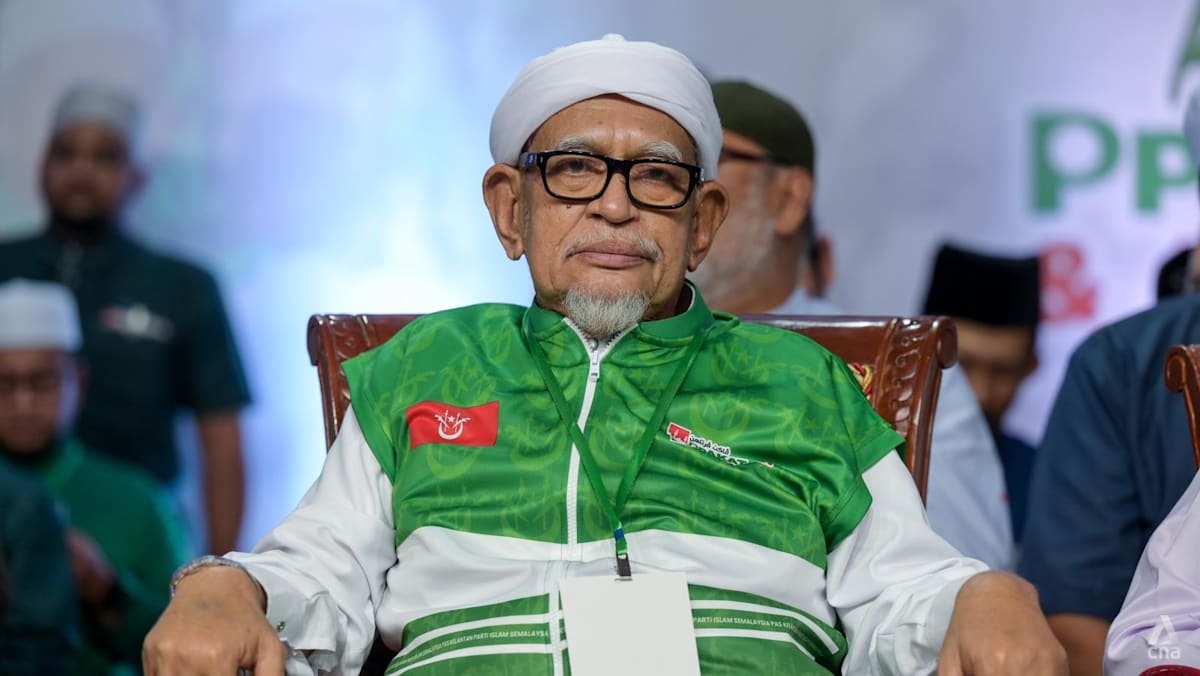
Malaysia’s Islamist opposition party, Parti Islam Se-Malaysia (PAS), has formally severed political ties with Bersatu, a key component of the Perikatan Nasional (PN) alliance, marking a pivotal shift in the country’s political landscape. The decision, announced by PAS President Abdul Hadi Awang following a special meeting of the party’s central working committee on June 8, 2026, comes after months of escalating tensions between the two groups.
PAS Ends Political Cooperation, Leaves Electoral Pact Open
Abdul Hadi Awang stated that PAS would terminate all political cooperation with Bersatu, citing the need to “review the position and future direction of PAS-Bersatu political cooperation based on current reports, studies, and assessments.” The move aligns with a resolution from the Syura Council of Ulama, the spiritual leadership of PAS, which emphasized considerations of Shariah law, public interest, and Muslim unity. Despite the split, Abdul Hadi reiterated that PAS remains open to “electoral cooperation” with Bersatu, particularly ahead of the 16th General Election and state elections.
The decision follows a protracted period of discord between the two parties, which co-founded the PN alliance in 2018. Disputes reportedly intensified after December 2025, with Bersatu reaffirming its commitment to maintaining relations with PAS as recently as June 7, 2026. The breakdown underscores deepening mistrust, with PAS accusing Bersatu of failing to uphold shared principles, though specific grievances were not detailed in the statement.
Impact on PN Alliance and Opposition Dynamics
The dissolution of PAS-Bersatu ties threatens the stability of the PN alliance, which has been a central force in Malaysia’s opposition since the 2018 general election. Bersatu, led by former Prime Minister Muhyiddin Yassin, had previously sought to maintain a pragmatic partnership with PAS, but the latest developments suggest a fundamental shift in strategy. The split may also complicate efforts to consolidate opposition unity ahead of the 2026 general election, as both parties navigate internal pressures and external political realignments.

Analysts noted that the rupture reflects broader challenges within Malay-majority politics, including ideological divides and competing visions for the country’s future. However, no official statements from Bersatu or other PN members were cited in the primary sources, leaving the full implications of the split unverified at this stage.
Next Steps and Unresolved Questions
PAS has signaled its intent to pursue “political understanding and electoral cooperation” with a range of stakeholders, including academics, professionals, and community