Malaysia Tightens Crackdown on Fuel and Controlled Goods Smuggling
Malaysia is aggressively tightening enforcement on subsidized fuel and controlled household goods near its land borders as of April 9, 2026. The government aims to eliminate “subsidy leakages”—the illegal diversion of cheap domestic goods to neighboring countries—through stricter border checks, recent RON95 fuel restrictions and maritime patrols.
This isn’t just a matter of border security; it is a fight for the national treasury. For years, the price gap between Malaysia’s heavily subsidized petrol and the market rates in Thailand, Indonesia, and Brunei has created a lucrative black market. When a liter of fuel costs a fraction of the price across the border, the incentive for smuggling becomes an economic gravity that pulls goods away from the citizens they were meant to support.
The scale of the problem is systemic. Smugglers aren’t just using jerrycans; they are employing sophisticated diversion methods, including the modification of vehicle fuel tanks and the use of “runners” to bypass customs. This creates a ripple effect of scarcity in border towns, where local residents often find essential household goods out of stock as they have been shipped across the border for a higher profit.
The Mechanics of Diversion: How the Leakage Happens
The Ministry of Domestic Trade and Cost of Living has identified six primary vectors through which controlled goods and fuel are siphoned. These range from the blatant—large-scale transport of subsidized diesel via modified tankers—to the subtle, such as the systematic over-purchase of cooking oil and flour by commercial entities that then export them illegally.

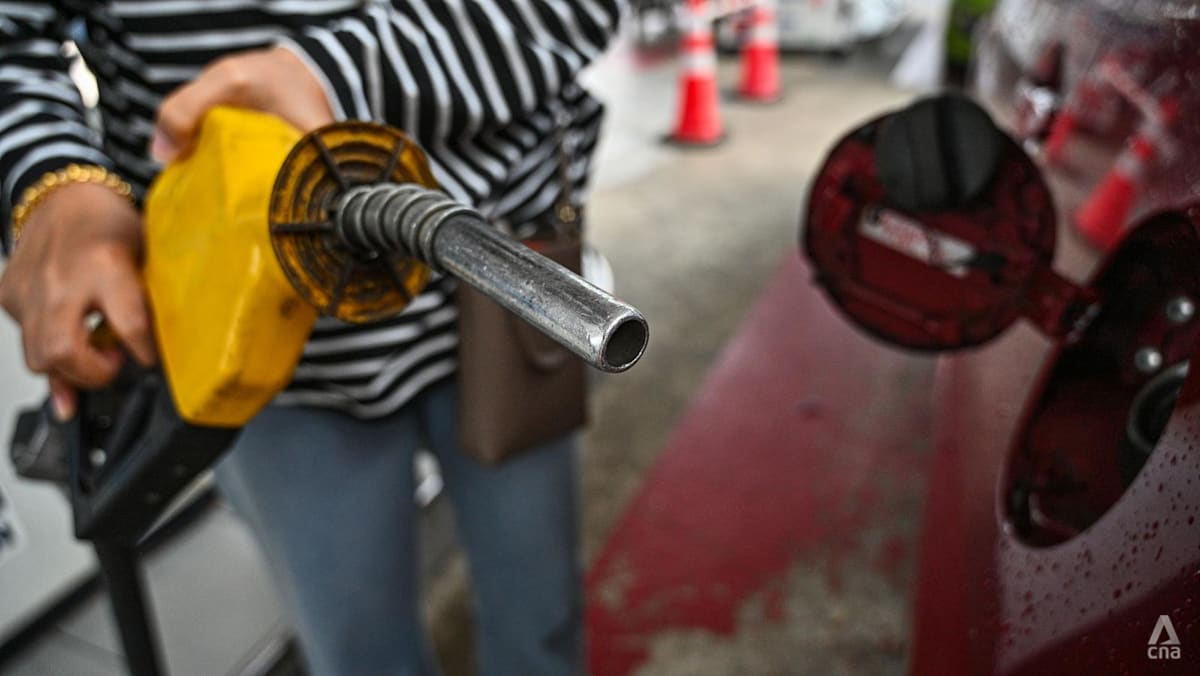
The new crackdown specifically targets the RON95 fuel grade. By banning foreign-registered vehicles from accessing this subsidized fuel, the government is attempting to close a loophole that allowed thousands of tourists and cross-border commuters to essentially “export” Malaysian subsidies in their fuel tanks.
This regulatory shift creates an immediate compliance burden for logistics companies and cross-border traders. Businesses operating in these zones must now navigate a complex web of new permits and checkpoints. For those caught in the crossfire, securing experienced customs and trade attorneys is no longer optional; it is a necessity to avoid crippling fines or the seizure of assets.
“The economic distortion caused by subsidy smuggling is a double-edged sword. It drains the public purse while artificially inflating prices for the very border communities the subsidies were designed to protect.”
Strategic Enforcement: From Land to Sea
The crackdown is not limited to the terrestrial borders of Sabah, Sarawak, and Peninsular Malaysia. The Malaysian Maritime Enforcement Agency (MMEA) has significantly ramped up patrols in national waters to intercept diesel smuggling syndicates. These operations often involve “ship-to-ship” transfers in the middle of the ocean, where subsidized fuel is moved from Malaysian tankers to foreign vessels.
This maritime strategy is critical because the volume of fuel moved by sea dwarfs what can be carried by land. However, the increased presence of enforcement vessels has created a tense environment for legitimate shipping companies. To ensure their operations remain uninterrupted, many firms are now auditing their supply chains and engaging certified logistics consultants to ensure every drop of fuel is accounted for and legally sourced.
The geopolitical stakes are high. Malaysia’s relationship with its neighbors depends on a delicate balance of trade. If enforcement becomes too aggressive without coordination, it could stifle legitimate regional commerce. However, the Malaysian government is prioritizing fiscal sustainability over the convenience of smugglers.
Comparison of Enforcement Measures (2026)
| Target Area | Primary Measure | Objective |
|---|---|---|
| Land Borders | RON95 Ban for Foreign Plates | Stop “fuel tourism” and small-scale siphoning. |
| Retail Outlets | Quota Limits on Controlled Goods | Prevent bulk purchasing for illegal export. |
| National Waters | MMEA High-Seas Patrols | Dismantle large-scale diesel smuggling rings. |
| Customs Points | Enhanced Digital Tracking | Real-time monitoring of subsidized goods movement. |
The Macro-Economic Ripple Effect
By plugging these leakages, Malaysia is attempting to transition toward a “targeted subsidy” regime. The goal is to move away from blanket subsidies—which benefit the wealthy and foreigners alike—toward a system where only the bottom 40% of earners receive support. This is a precarious transition. If the government removes subsidies too quickly or fails to implement the targeted system efficiently, it risks triggering inflation.
The long-term impact will be felt most in the logistics and transport sectors. As subsidized fuel becomes harder to obtain illegally, the cost of transport for goods in border regions will likely rise. This will force local businesses to optimize their operations or face insolvency.
For the average citizen in border towns like Padang Besar or Kuching, the immediate result is a more stable supply of household goods. However, the broader economic shift means that the “cheap living” era—fueled by government spending—is evolving into a more disciplined, market-driven economy. This transition often requires a total overhaul of business models. Companies are increasingly turning to corporate financial advisors to restructure their budgets in anticipation of higher operational costs.
To understand the broader context of these movements, one can glance at the World Bank’s analysis of Malaysia’s economy or the official guidelines provided by the Ministry of Domestic Trade and Cost of Living. The Royal Malaysian Customs Department remains the primary authority for those seeking clarity on the new import/export restrictions.
The Human Cost of the Black Market
While the government focuses on the numbers, the reality on the ground is one of desperation and opportunistic crime. Smuggling rings often employ marginalized locals as “mules,” promising quick cash for the risk of transporting controlled goods. When the crackdown intensifies, these individuals are the first to be arrested, while the kingpins remain insulated.
This creates a localized crisis of unemployment and legal instability in border regions. As the state tightens its grip, there is a growing require for social welfare organizations and legal aid clinics to support those caught in the dragnet of these enforcement drives.
The tension is palpable. In the markets of the border towns, the arrival of a customs truck no longer signals a routine check; it signals a potential shutdown of a livelihood. Yet, the alternative—continued leakage—is a sluggish bleed of national wealth that Malaysia can no longer afford.
The shift toward tighter enforcement is a signal that the era of “invisible” subsidies is ending. Malaysia is choosing fiscal sanity over the convenience of a porous border. For the business owner, the transporter, or the diplomat, the message is clear: compliance is the only viable path forward. As the regulatory landscape shifts, the ability to find verified, professional guidance will determine who survives this transition and who is left behind. Whether you need to navigate new customs laws or restructure your company’s financial strategy, the World Today News Directory remains the definitive bridge to the experts equipped to handle this new reality.