Malaysia News Roundup: KL Hotel Drug Raid and LGBTQ Enforcement Updates
In Kuala Lumpur, Malaysia, LGBTQ+ communities are adopting heightened caution following a surge in police raids and assertive rhetoric from government ministers. The recent arrest of 51 men during a private event, which resulted in a fatality, has intensified concerns regarding personal safety and the erosion of private social spaces.
The incident, which took place at a luxury hotel in the capital, serves as a flashpoint for a broader societal shift. While Malaysia remains a constitutional monarchy with a diverse population, recent enforcement actions have signaled a hardening stance against gatherings perceived as inconsistent with state-sanctioned moral standards. For the local LGBTQ+ community, the primary challenge is no longer just the legal framework—which already criminalizes certain private acts—but a volatile environment of increased surveillance and unpredictable intervention.
The Mechanics of Rising Enforcement
The recent crackdown underscores a shift in how authorities manage social gatherings. Law enforcement, often acting on intelligence regarding private events, has demonstrated a willingness to intervene in spaces previously considered semi-private. This reality necessitates a new approach to risk management for individuals and event organizers.
Navigating these waters requires a clear understanding of the local landscape. For those finding themselves entangled in the complexities of Malaysia’s legal and social administrative environment, engaging with established human rights legal advocates and specialized civil liberties consultants has become a necessity for those seeking to understand their rights under the federal constitution.
The legal environment in Malaysia is multifaceted. As outlined in the official Malaysian government portal, the intersection of federal law and religious authority creates a complex jurisdictional map. Individuals facing sudden legal scrutiny often find themselves unprepared for the specific procedural nuances of the Malaysian justice system.
A Climate of Uncertainty
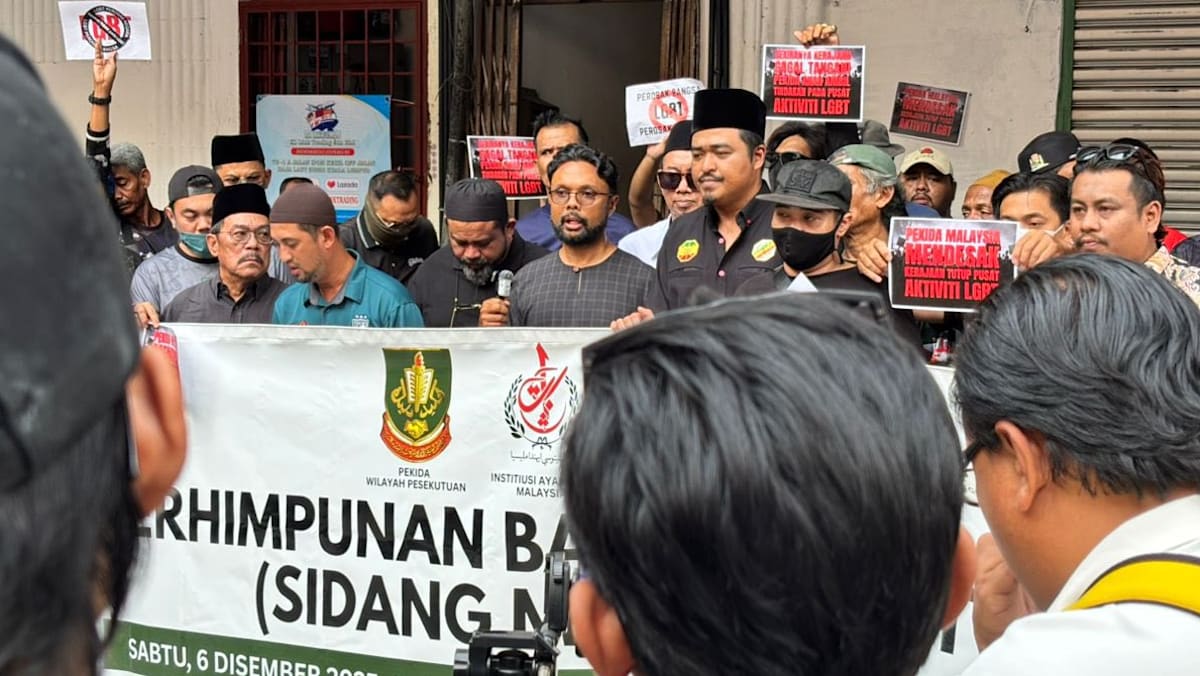
The rhetoric from high-level officials has played a significant role in setting the current tone. By framing specific gatherings as threats to public order, ministers have effectively provided local enforcement agencies with the political mandate to prioritize such raids. This “top-down” pressure creates a ripple effect, where the chilling effect on freedom of assembly is felt far beyond the specific venues targeted by police.

“When the language from the top shifts from passive observation to active condemnation, the ground-level reality for marginalized groups changes instantly. It is no longer just about the law; it is about the perception of the state’s permission to exist in public or private shared spaces.”
This atmosphere forces many community organizers to retreat from public visibility. The shift is not merely sociological; it is an economic and logistical disruption. Event planners, hospitality managers and private venue owners are now grappling with the reality that hosting certain demographics may lead to significant operational risks. Finding reliable corporate risk management firms to assess potential liabilities has become a standard practice for local businesses operating in this sensitive climate.
Infrastructure and the Legal Web
The incident in Kuala Lumpur also highlights the role of the hotel and hospitality sector in the ongoing enforcement trends. When private gatherings become the subject of police raids, the businesses hosting them face immediate scrutiny. This creates a precarious situation for the tourism and events industry, which prides itself on international hospitality standards while navigating strict domestic regulations.
For those involved in the hospitality sector, the need for robust legal compliance frameworks is higher than ever. Ensuring that internal policies align with municipal and federal requirements is the only way to mitigate the risk of sudden closures or legal action. Industry leaders are increasingly turning to commercial compliance attorneys to navigate the intricate web of local bylaws and national directives.
The Long-Term Outlook
As of May 31, 2026, the situation remains fluid. The state’s focus on “moral policing” appears to be gaining momentum rather than receding. For the international community and local stakeholders, the primary question is how this enforcement pattern will impact the country’s broader social cohesion. Malaysia, often marketed as “Truly Asia,” faces a tension between its globalized aspirations and its domestic policy choices.

The path forward for affected groups involves a delicate balance of maintaining community ties while minimizing exposure to state intervention. The reliance on digital privacy and vetted, private networks is likely to increase as physical spaces become more difficult to secure. However, legal recourse remains the most critical pillar for those seeking to challenge overreach.
The fragility of the current situation serves as a stark reminder that in an environment of shifting enforcement priorities, having access to accurate, professional, and discreet counsel is the only way to navigate the uncertainty. Whether it concerns the protection of personal rights or the mitigation of business-related risks, the role of professional intermediaries—found within our verified professional services directory—remains the most reliable safeguard against the unpredictable tides of regulatory change.
the events in Kuala Lumpur are not isolated incidents but symptoms of a wider strategy. How the nation balances its diverse cultural heritage with these increasingly restrictive social mandates will define the next chapter of its development. Until a clear legal consensus is reached, caution remains the standard operating procedure for those living in the crosshairs of these evolving enforcement trends.